

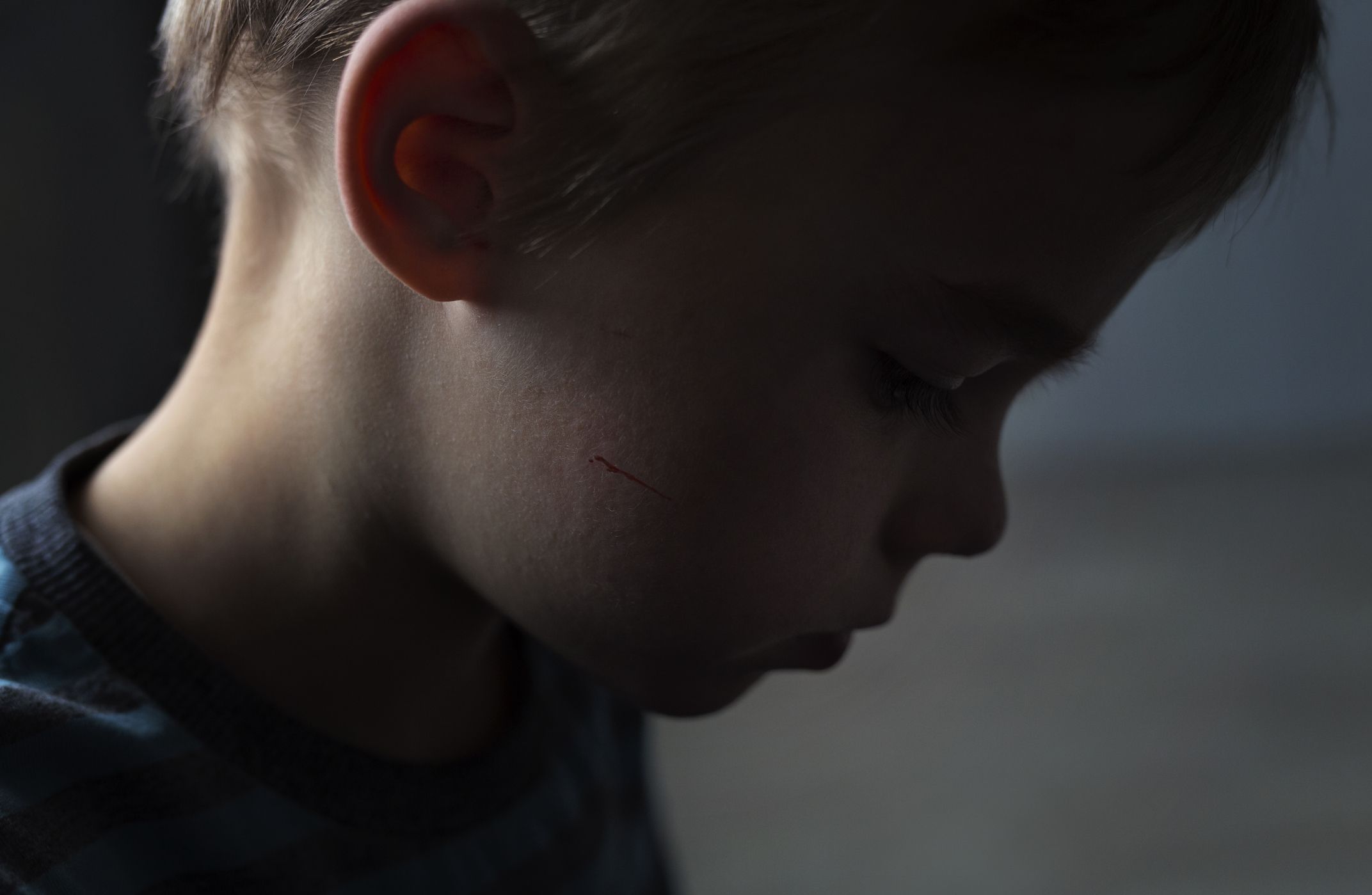
Child abuse occurs when a child under the age of 18 is mistreated or neglected by an adult, resulting in harm, the potential for harm, or the threat of imminent harm. The adult may be a relative, caregiver, step-parent, religious figure, coach, or babysitter, though the majority of perpetrators are parents of the child.
In the United States, children experience child abuse or neglect at a rate of 8.9 per 1,000 children. Child abuse is considered an adverse childhood experience (ACE) that can have long-term impacts on an individual’s health and well-being.
Child abuse can occur in a single instance or in several instances, but it falls within four main categories: emotional abuse, sexual abuse, physical abuse, and neglect.
At a Glance
Emotional abuse, sexual abuse, physical abuse, and neglect are the four most common types of child maltreatment. These types of abuse can have a devastating effect on development and well-being. A few signs to watch for include changes in behavior, signs of worsening mental or physical health, signs of a lack of care, and regularly missing school. Knowing what to watch for can help adults learn to recognize when abuse is happening so they can take steps to help kids who need it.
Emotional Abuse
Emotional abuse, also known as psychological or verbal abuse, is ongoing, non-physical mistreatment that makes a child feel unwanted, unloved, worthless, or valued only for meeting the abuser’s needs.
It involves using words and actions to manipulate or control a child, leading to emotional harm such as low self-esteem, hostility, anxiety, depression, or delinquency.
While emotional abuse is present in all forms of child abuse, it can be hard to identify. A child experiencing emotional abuse often has stunted emotional development.
Examples of emotional abuse include:
- Name-calling or criticizing
- Setting unreasonable expectations
- Threatening or terrorizing
- Ignoring boundaries
- Demeaning or belittling
- Bullying or cyberbullying
- Dismissing or invalidating the child and their feelings
- Degrading or objectifying the child
- Emotional incest
- Isolating the child
If a child is being emotionally abused, they will often exhibit behavioral changes. This could include excessive crying, bed wetting, bullying, seeming overly fearful of their parents, or showing symptoms of speech, sleep, eating, anxiety, or another mental health disorder.
Sexual Abuse
By law, children cannot consent to sexual acts of any kind. Any sexual activity between an adult and a minor is classified as sexual abuse. In over 90% of these cases, the child or their family knows the perpetrator.
Sexual abuse includes any act where an adult exploits a child for sexual purposes. This can occur even without physical contact.
Examples of sexual abuse are:
- An adult exposing their genitalia to a child
- Molestation
- Sexual intercourse of any kind, including vaginal, oral, or anal
- Sexual assault incidents involving an object
- Masturbation in the presence of a child
- Phone calls, text messages, or other interactions that are sexual in nature
- Forcing a child to perform sexual acts
- Producing, owning, or distributing pornographic images or videos of children
- Sex trafficking
- Female genital mutilation
- Incest
Sexual abuse may occur once or many times but can have lasting effects on a child’s health and mental health.
Some signs and symptoms of sexual abuse include children keeping secrets, exhibiting inappropriate sexual behavior, avoiding the removal of clothing, changes in eating habits, recurring pain during urination, mood changes, or loss of interest in school and activities, among others. Sexual abuse can also cause a sexually transmitted disease or pregnancy.
In adolescents, sexual abuse is known to cause any number of mental health problems, such as self-harm, substance abuse, disordered eating, depression, anxiety, or suicidal ideation.
Physical Abuse
Any act of harm committed against a child that results in injury is physical abuse, even if it’s unintentional. This type of abuse can cause physical and mental health problems in adulthood and is a common cause of child morbidity and mortality.
Types of physical abuse include:
- Severely shaking a baby, also known as shaken baby syndrome
- Hitting or beating a child with a fist or object
- Burning the child with hot water, a cigarette, or an iron
- Kicking
- Tying a child up
- Depriving a child of air or holding them underwater
A harmed child may exhibit physical signs, such as bruises, burns, scarring, hair loss, bone fractures, or other injuries. They may hide certain body parts with clothing, or they may blame the injury on a sibling.
Their explanation of the injury may change or may not match the injury itself. They may also delay seeking medical care, change primary care providers frequently, or have a long history of visiting the emergency department.
While some parents still use spanking as a form of punishment, it can be considered a form of physical abuse, as it may result in emotional and/or physical harm.
Neglect
Child neglect occurs when a parent or caregiver fails to provide food, shelter, clothing, medical care, or supervision to maintain or protect the child’s health, safety, and well-being, resulting in harm or the threat of harm.
Neglect Is the Most Common Type of Child Abuse
Neglect occurs in 61% of child abuse cases. It is the most common form of child maltreatmentin the United States.
Types of neglect include:
- Failing to give a child medical care or treatment when needed
- Denying a child food, clothing, or shelter
- Abandoning or locking a child in a room for hours on end
- Leaving a young child at home alone without a caregiver or with neglectful caregivers
- Exposing a child to domestic abuse
- Failing to enroll a child in school or denying them educational access
Unfortunately, neglect can occur with or without intention. A parent or caregiver may not have the financial resources to buy food, maintain shelter, or clothe their children. Still, this maltreatment can result in developmental problems, cognitive impairments, and emotional, social, and behavioral problems.
Neglect can lead to sexual promiscuity, substance abuse, visual hallucinations, cognitive delays, antisocial personality disorder, dysthymia, and other mental health conditions.
Effects of Child Abuse and Maltreatment
Child abuse increases the risk for mood disorders such as depression and bipolar disorder. People who experience childhood maltreatment are more likely to experience more mood disorder symptoms and a worse response to treatment.
Recognizing Signs of Child Abuse
In 2019, Child Protective Services received 4.4 million referrals for the alleged mistreatment of 7.9 million children. The majority of reports come from professionals, such as education workers, legal and law enforcement workers, medical personnel, and social services staff members. However, friends, neighbors, and relatives reported 15.7% of the time.
Every child is susceptible to child abuse, and unfortunately, if a child is experiencing one form of abuse, they may be experiencing another.
Signs of Child Abuse
If the child is exhibiting the following signs and symptoms, they may be experiencing some form of abuse:
- Constantly hungry or exhausted
- Showing signs of deteriorating health or mental health
- Missing school repeatedly
- Dressing in dirty or inappropriate clothes for the weather
- Experiencing severe changes in mood and behavior
If you have reasons to believe child abuse is happening, tell someone right away. Depending on the state, only select members of society, such as medical professionals and early childhood education teachers, can and are required to report child abuse suspicions, but you should never withhold your worries. A child’s life may be in danger.
Takeaway
Children are vulnerable to abuse and, depending on their age, may not know or understand child abuse. For this reason, child mistreatment can go unreported and unaddressed. To prevent and combat the abuse of children, it’s up to all of us, neighbors, community members, clinicians, and other members of society, to intervene.
Trained professionals can investigate the situation and connect the child to relevant services if abuse is confirmed. They can then begin the process of recovery, starting with diagnosis, treatment, and ongoing care.
