

Key Takeaways
- The brain is made up of specialized parts that control functions like thought, senses, and movement.
- Protecting your brain with regular exercise and a balanced diet can help keep it healthy.
- Sleep and staying mentally active are important for brain health and well-being.
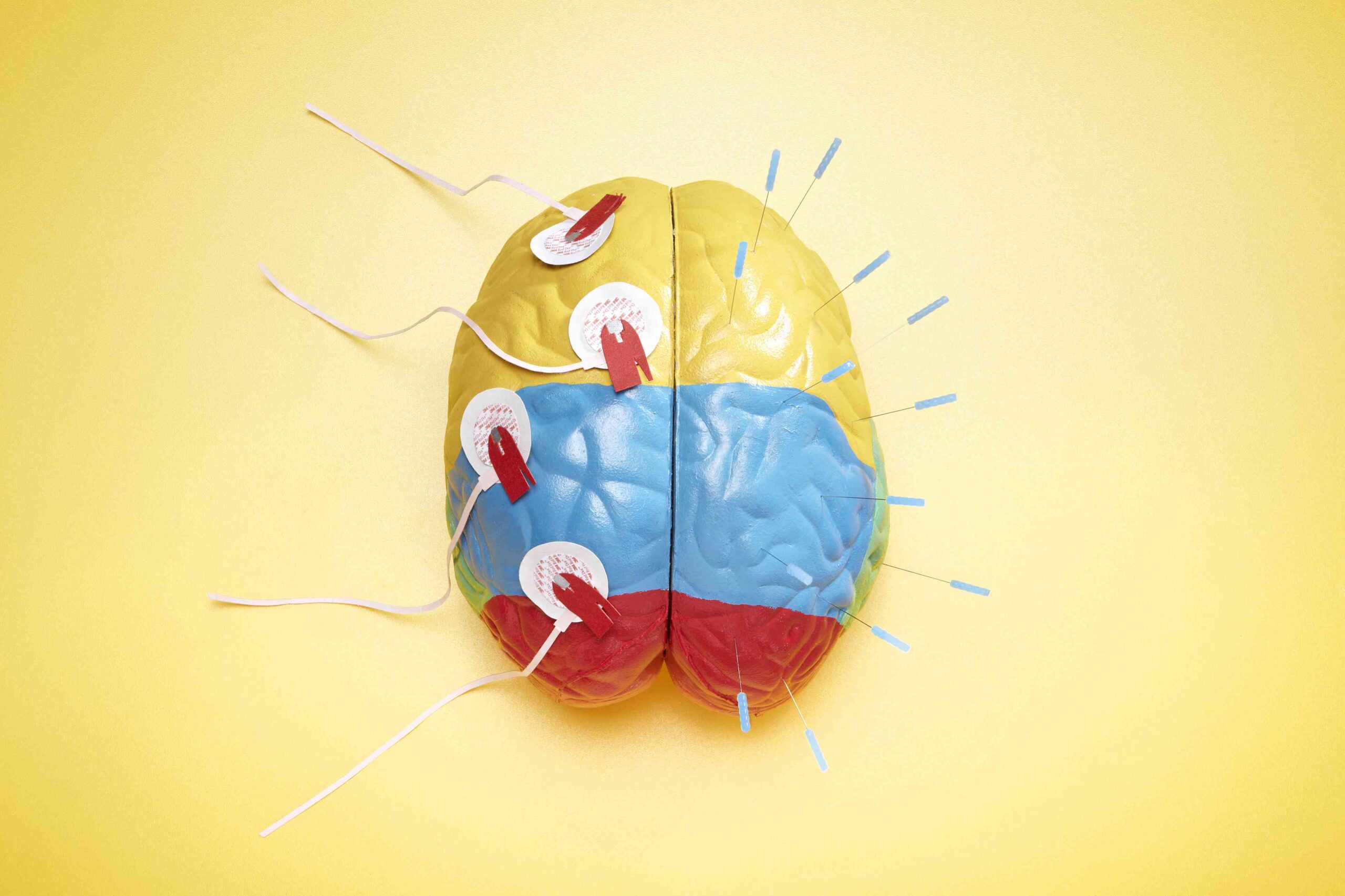
The human brain is not only one of the most important organs in the human body; it is also the most complex. The brain is made up of billions of neurons and it also has a number of specialized parts that are each involved in important functions.
While there is still a great deal that researchers do not yet know about the brain, they have learned a great deal about the anatomy and function of the brain. Understanding these parts can help give people a better idea of how disease and damage may affect the brain and its ability to function.
The Cerebral Cortex
MedicalRF.com/Getty Images
The cerebral cortex is the part of the brain that makes human beings unique. Functions that originate in the cerebral cortex include:
The cerebral cortex is what we see when we look at the brain. It is the outermost portion that can be divided into four lobes. Each bump on the surface of the brain is known as a gyrus, while each groove is known as a sulcus (gyri and sulci are the plural form).
The cerebral cortex is the largest part of the brain and is responsible for a number of complex functions, including conscious thought, information processing, language, memory, behavior, and personality.
The Four Lobes
PIXOLOGICSTUDIO/SCIENCE PHOTO LIBRARY / Getty Images
The cerebral cortex can be divided into four sections, known as lobes. The frontal lobe, parietal lobe, occipital lobe, and temporal lobe have been associated with different functions ranging from reasoning and memory to auditory and visual perception.
Frontal Lobe
This lobe is located at the front of the brain and is associated with reasoning, motor skills, higher-level cognition, and expressive language.
- At the front of the frontal lobe is the prefrontal cortex, which is responsible for most executive functions, like thinking, paying attention, and self-control. Damage to the frontal lobe can lead to changes in sexual habits, socialization, and attention, as well as increased risk-taking.
- The motor cortex, also known as the motor homunculus (meaning ‘little person’), lies at the back of the frontal lobe, near the central sulcus. It receives information from various lobes of the brain and uses it to carry out body movements like playing the piano, blowing a kiss, and skipping.
Parietal Lobe
The parietal lobe is located in the middle section of the brain, just behind the frontal lobe. It is associated with processing tactile sensory information such as pressure, touch, and pain.
A portion of the parietal lobe known as the somatosensory cortex is located just behind the central sulcus and is essential to the processing of the body’s senses. It is also known as the somatosensory homunculus.
Homunculus
The homunculus is known as the “little person’ in the brain because it has a topographical map of the whole human body in a small area of the cerebral cortex. There is one for the motor cortex in the frontal lobe and one for the somatosensory cortex in the parietal lobe.
Temporal Lobe
The temporal lobe is located on the bottom section of the brain next to the temples and ears.
- This lobe is also the location of the primary auditory cortex, which is important for interpreting sounds, tones, and frequencies. This cortex has a topographical map of the cochlea, a tiny organ in the inner ear.
- The secondary auditory cortex contains Wernicke’s area, which is responsible for understanding spoken or written human language.
- The hippocampus is also located in the temporal lobe, which is why this portion of the brain is also heavily associated with the formation of memories.
Damage to the temporal lobe can lead to problems with memory, sound discrimination, and speech comprehension.
Occipital Lobe
The occipital lobe is located at the back portion of the brain and is associated with interpreting visual stimuli and information. The primary visual cortex, which receives and interprets information from the retinas of the eyes, is located in the occipital lobe.
Damage to this lobe can cause visual problems such as difficulty recognizing objects, an inability to identify colors, and trouble recognizing words.
Recap
The brain comprises four lobes, each associated with different functions. The frontal lobe is found at the front of the brain; the parietal lobe is behind the frontal lobe; the temporal lobe is located at the sides of the head; and the occipital lobe is found at the back of the head.
The Brain Stem
PIXOLOGICSTUDIO/SCIENCE PHOTO LIBRARY / Getty Images
The brainstem is an area located at the base of the brain that contains structures vital for involuntary functions such as heartbeat and breathing. It is comprised of the midbrain, pons, and medulla.
Midbrain
The midbrain is often considered the smallest region of the brain. It acts as a relay station for auditory and visual information and controls many important functions, such as the visual and auditory systems, as well as eye movement.
Portions of the midbrain called the red nucleus and the substantia nigra are involved in the control of body movement. The darkly pigmented substantia nigra contains a large number of dopamine-producing neurons.
The degeneration of neurons in the substantia nigra is associated with Parkinson’s disease.
Medulla
The medulla is located directly above the spinal cord in the lower part of the brain stem and controls many vital autonomic functions such as heart rate, breathing, and blood pressure.
Pons
The pons, meaning “bridge,” connects the cerebral cortex to the medulla and to the cerebellum and serves a number of essential functions. It plays a role in several autonomic processes, such as stimulating breathing and controlling sleep cycles.
Recap
The brainstem, which includes the midbrain, medulla, and pons, is responsible for involuntary processes, including breathing, heartbeat, and blood pressure.
The Cerebellum
Cerebellum.
Image by Ministry of Education, Culture, Sports, and Technology(MEXT) Integrated Database Project
Sometimes referred to as the ”little brain,” the cerebellum lies on top of the pons behind the brain stem. The cerebellum makes up approximately 10% of the brain’s total size, but it accounts for more than 50% of the total number of neurons located in the entire brain.
The cerebellum is comprised of small lobes and serves several functions.
- It receives information from the inner ear’s balance system, sensory nerves, and auditory and visual systems. It is involved in coordinating movements and motor learning.
- It helps control posture, balance, and the coordination of voluntary movements. This allows different muscle groups to act together and produce coordinated fluid movement.
- It is also important in certain cognitive functions, including speech.
The cerebellum is associated with motor movement and control, but this is not because the motor commands originate here. Instead, the cerebellum modifies these signals and makes motor movements accurate and useful.
The cerebellum is densley packed with neurons and is responsible for managing posture, balance, and the coordination of movement.
The Limbic System
Image by Ministry of Education, Culture, Sports, and Technology(MEXT) Integrated Database Project
Although there is no totally agreed-upon list of the structures that make up the limbic system, four of the main regions include:
The Hypothalamus
The hypothalamus is a grouping of nuclei that lie along the base of the brain near the pituitary gland. It connects with many other regions of the brain and is responsible for controlling hunger, thirst, emotions, body temperature regulation, and circadian rhythms.
The hypothalamus also controls the pituitary gland by secreting hormones. This gives the hypothalamus a great deal of control over many body functions.
The Amygdala
The amygdala is a cluster of nuclei located close to the base of the brain. It is primarily involved in functions including memory, emotion, and the body’s fight-or-flight response. The structure processes external stimuli and then relays that information to the hippocampus, which can then prompt a response to deal with outside threats.
The Thalamus
Located above the brainstem, the thalamus processes and transmits movement and sensory information. It is essentially a relay station, taking in sensory information and then passing it on to the cerebral cortex. The cerebral cortex also sends information to the thalamus, which then sends this information to other systems.
The Hippocampus
The hippocampus is a structure located in the temporal lobe. It is important in memory and learning and is considered to be part of the limbic system because it plays an important part in emotional regulation or the control of emotional responses. It plays a role in the body’s fight-or-flight response and in the recall of emotional memories.
The limbic system controls behaviors essential for well-being and survival, including emotional regulation, the fight-or-flight response, feeding behavior, and reproduction.
Other Parts of the Brain
Other important structures play an essential role in supporting the structure and function of the brain. Some of these parts of the brain include:
Meninges
The meninges are the layers that surround the brain and spinal cord and provide protection. There are three layers of meninges:
- The dura mater: This is the thick, outmost layer located directly under the skull and vertebral column.
- The arachnoid mater: This is a thin layer of web-like connective tissue. Under this layer is cerebrospinal fluid that helps cushion the brain and spinal cord.
- The pia mater: This layer contains veins and arteries and is found directly atop the brain and spinal cord.
Nerves
The brain also contains 12 cranial nerves. Each nerve plays a vital role in relaying essential information to the brain. These nerves include:
- The olfactory nerve: Essential for the sense of smell
- The optic nerve: Controls eyesight
- The oculomotor nerve: Controls the motions of the eye and the response of the pupil
- The trochlea nerve: Controls the muscles of the eye
- The trigeminal nerve: Carries sensory and motor information to and from the face, jaw, teeth, and scalp
- Abducens nerve: Associated with specific movements of the eye
- Facial nerve: Responsible for sensory and motor functions controlling the face, tongue, tear glands, and parts of the ear
- The vestibulocochlear nerve, which regulates hearing and balance
- The glossopharyngeal nerve: Important for sensory information from parts of the tongue and stimulating specific throat muscles
- The vagus nerve: Plays many important roles, including carrying sensory information from the ear, heart, intestines
- The accessory nerve: Controls the muscles of the neck
- The hypoglossal nerve: Responsible for the muscle movements of the tongue
Recap
In addition to the main parts of the brain, there are also other important structures that are important for normal functioning. This includes the protective meninges and the cranial nerves that transmit signals to and from the brain.
Brain Conditions
The brain can also be affected by a number of conditions and damage. According to the National Institute of Neurological Disorders and Stroke, there are more than 600 types of neurological diseases. Some conditions that can affect the brain and its function include:
- Brain tumors
- Cerebrovascular diseases such as stroke and vascular dementia
- Convulsive disorders such as epilepsy
- Degenerative diseases such as Alzheimer’s disease and Parkinson’s disease
- Developmental disorders such as cerebral palsy
- Infectious diseases such as AIDS dementia
- Metabolic diseases such as Gaucher’s disease
- Neurogenetic diseases, including Huntington’s disease and muscular dystrophy
- Trauma such as head injury and spinal cord injury
By studying the brain and learning more about its anatomy and function, researchers are able to develop new treatments and preventative strategies for conditions that affect the brain.
Recap
Disease and damage can affect the brain’s ability to function. Tumors, strokes, degenerative conditions, trauma, and infectious diseases are just a few of the conditions that can damage the brain.
Protecting Your Brain
You can’t change your genetics or some other risk factors. But it’s important to take steps to help protect the health of your brain.
Diet and Exercise
Research suggests that regular physical activity is essential for brain health. Exercise can help delay brain aging and degenerative diseases such as Alzheimer’s, diabetes, and multiple sclerosis. It is also associated with improvements in cognitive abilities and memory.
Similarly, a nutritious, balanced diet that includes omega-3 fatty acids, vitamins, and antioxidants is important for brain function (as well as overall health).
It’s also essential to protect your brain from injury by, for example, wearing a helmet when participating in physical activities that pose a risk for collision or falls, and always wearing a seatbelt when driving or riding in a car.
Rest
Sleep can also play a pivotal role in brain health and mental well-being. Studies have found that sleep can actually play a role in the development and maintenance of some psychiatric conditions, including anxiety, depression, and bipolar disorder.
Mental Activity
Evidence also suggests that staying mentally engaged can also play an important role in protecting your brain from some degenerative conditions. Activities that may help include learning new things and staying socially active.
Final Thoughts
The human brain is remarkably complex and researchers are still discovering many of the mysteries of how the mind works. By better understanding how different parts of the brain function, you can also better appreciate how disease or injury may impact it. If you think that you are experiencing symptoms of a brain condition, talk to your doctor for further evaluation.
