

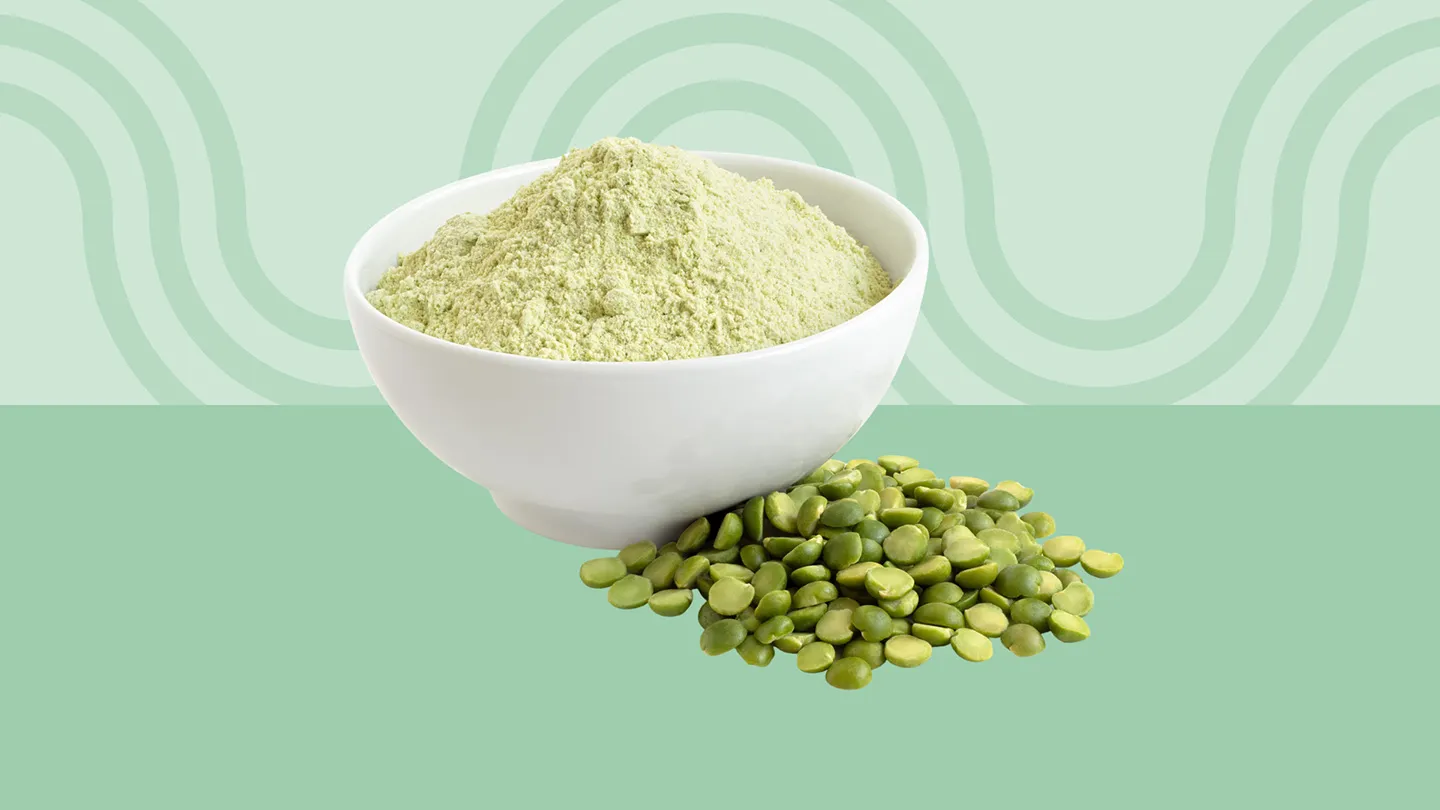
Pea protein has become a popular supplement, and for good reason. Like other legumes, peas are a quality source of plant-based protein and rich in other nutrients that can enhance your health.
However, pure pea protein may have different effects than eating whole foods. While most side effects are benign, all protein supplements carry potential risks, especially in high doses.
Why Choose Pea Protein Powder?
Protein isn’t just for meat eaters. Vegetarians and vegans — and even those who just want to reduce their animal product intake — have tons of plant-based options, including hemp, soy, rice, and pea protein powders.
Pea protein is made by isolating the soluble protein in yellow peas. It differs from ground peas in that most of the fiber and starch have been removed.
A 100-calorie, ¼-cup serving of pea protein isolate contains 15 to 20 grams (g) of protein depending on the type and brand, according to Cleveland Clinic. It’s low in carbs and has about 1 g fat. It’s also a good source of iron, with 35 percent of the daily value, notes the U.S. Department of Agriculture (USDA).
Although you should always check the label of the supplement you choose, pure pea protein is free of the top eight most allergenic foods, including:
- Milk
- Eggs
- Peanuts
- Tree nuts
- Soy
- Fish
- Shellfish
- Wheat
From a sustainability perspective, pea protein utilizes fewer resources, including water and fertilizers, and may be better for the environment, according to a review of research.
Side Effects of Pea Protein
While pea protein doesn’t have as much risk of digestive upset as the lactose-containing whey or casein protein powders — to which many people are intolerant or allergic — it can still impact digestion. Whether you’ll experience any digestive side effects with pea protein is a matter of trial and error.
Keep in mind that eating a lot of peas might give you more digestive trouble than pea protein powder due to their fiber content. Mayo Clinic notes large doses of plant fiber can cause bloating, gas, and either constipation or diarrhea for many people, but pea protein powder has had most of its fiber removed to make it a concentrated protein source.
Just for reference: According to the USDA, to get 20 grams of protein from whole peas, you would need to eat more than 2 cups of whole peas, which would also give you 18 grams of fiber — a lot to stomach in one sitting.
Pea protein caveats are the same as those with all protein powders. Because pea protein powder is considered a supplement, it’s not regulated by the FDA. This means supplements can vary widely in quality and purity, and it’s not always possible to know whether a supplement contains what manufacturers claim, notes Harvard Health.
The unregulated nature of the supplement industry means protein powders could contain toxic substances like lead, arsenic, and cadmium. The Clean Label Project tested 160 protein powder products for 258 toxins and found that 77 percent of the plant-based products tested positive for lead.
It’s important to keep in mind that organizations like the Council for Responsible Nutrition have criticized the Clean Label Project report as misleading and lacking important context.
Benefits of Pea Protein Powder
If pure pea protein does cause you digestive problems, look for hydrolyzed pea protein. Hydrolysis breaks down amino acid chains into smaller fragments, which can improve digestibility, according to research.
Research also reveals that hydrolyzed pea protein contains antioxidants and suggests it may be more bioactive, so it could help your body:
- Lower blood pressure by relaxing blood vessels
- Fight cell-damaging and disease-causing free radicals
- Prevent diabetes
- Keep harmful bacteria at bay
If you’re increasing your protein intake for weight loss, pea protein before a meal may help you reduce your overall calorie intake, according to limited research.
In an undergraduate review of 11 studies on pea protein’s effect on appetite, consuming pea protein before a meal increased feelings of fullness and reduced food intake from 30 minutes to two hours after the meal.
One of the studies in the review found that consuming 20 g of pea protein also lowered post-meal blood sugar levels.
Finally, compared to other plant-based protein options, pea protein may beat out the competitors in terms of its amino acid profile. Amino acids are the building blocks of protein. There are 20 in total, 11 of which your body can make, and nine more — called essential amino acids — that you must get from food, according to MedlinePlus.
Most plant foods are called incomplete proteins, because they are low in or missing one or more of the amino acids. According to research, pea protein has a better balance of amino acids compared to protein isolates from other plant sources like hemp, rice, and other grains.
Do You Need Pea Protein?
People bump up their protein intake for many reasons, but especially when looking to lose weight or build muscle. Getting enough protein can play a crucial role in both of those pursuits.
According to the American Heart Association, the recommended daily protein allowance for adults is 0.8 g per kilogram (kg) of body weight. So if you weigh 70 kg, or 154 pounds, you’d need to eat 56 g of protein each day.
Keep in mind that if you’re active or looking to lose weight, you could benefit from getting 1.1 to 1.7 g of protein per kg of body weight to support exercise recovery and muscle growth, notes Mayo Clinic. The more intense the exercise, the more protein you might need.
For weight loss, extra protein can improve satiety and reduce overall calorie intake while preserving lean muscle mass. In a research review, high-protein diets with at least 1.6 g of protein per kg of body weight resulted in more weight loss than lower protein consumption in one study, and were also connected to regaining less weight in another study.
However, getting too much protein — over 2 g per kg of body weight, according to Mayo Clinic — isn’t likely to have any additional benefits, and most people can meet their protein needs through a balanced diet.
Relying on protein supplements can lead to nutrient deficiencies, since whole foods are much richer sources of naturally occurring vitamins, minerals, and antioxidant phytonutrients.
If you choose to include pea protein in your diet, Harvard Health suggests making sure it’s in moderation and in addition to a healthy, balanced diet.
