

2026 Trends
Initiative Chair: Patricia Ladis, Holistic Physical Therapist, Behavioral Breathing Analyst, Biomechanical Analysis Founder & CEO, WiseBody PT, United States
Initiative Vice-Chair: Lynelle Lynch, Owner, Running Y Resort & Bellus Academy, United States
The goal of the Sport and Hospitality Initiative is to establish a comprehensive, actionable framework that enables communities to integrate wellness through sport into their local culture and infrastructure—empowering municipalities, organizations and individuals to use sport as a vehicle for improved wellbeing. The Initiative will also support the hospitality and spa sectors by providing them with the tools, education and best practices needed to better serve professional and recreational athletes alike. Through cross-sector collaboration, evidence-based resources and global outreach, it aims to drive sustained improvements in both mental and physical health, leveraging the universal language of sport to foster connection, resilience and holistic wellness around the world.
The sports hospitality sector is evolving as we enter 2026. Professional athletes are elevating their travel experience to include sleep, movement and dietary priorities. Teams have experts that specialize in creating the ideal travel lifestyle to ensure maximum health and wellness in preparation for competition. Hotels are selected based on a variety of amenities and accommodations that will support the athlete’s program of wellness. These trends will provide insight for collegiate athletes as well as the guests who travel for sporting adventures. The future of sports hospitality is as much about wellness and innovation as it is about the games themselves. These trends reflect the future-forward trajectory of this rapidly expanding space.
TREND 1: The Surge of Sports Tourism
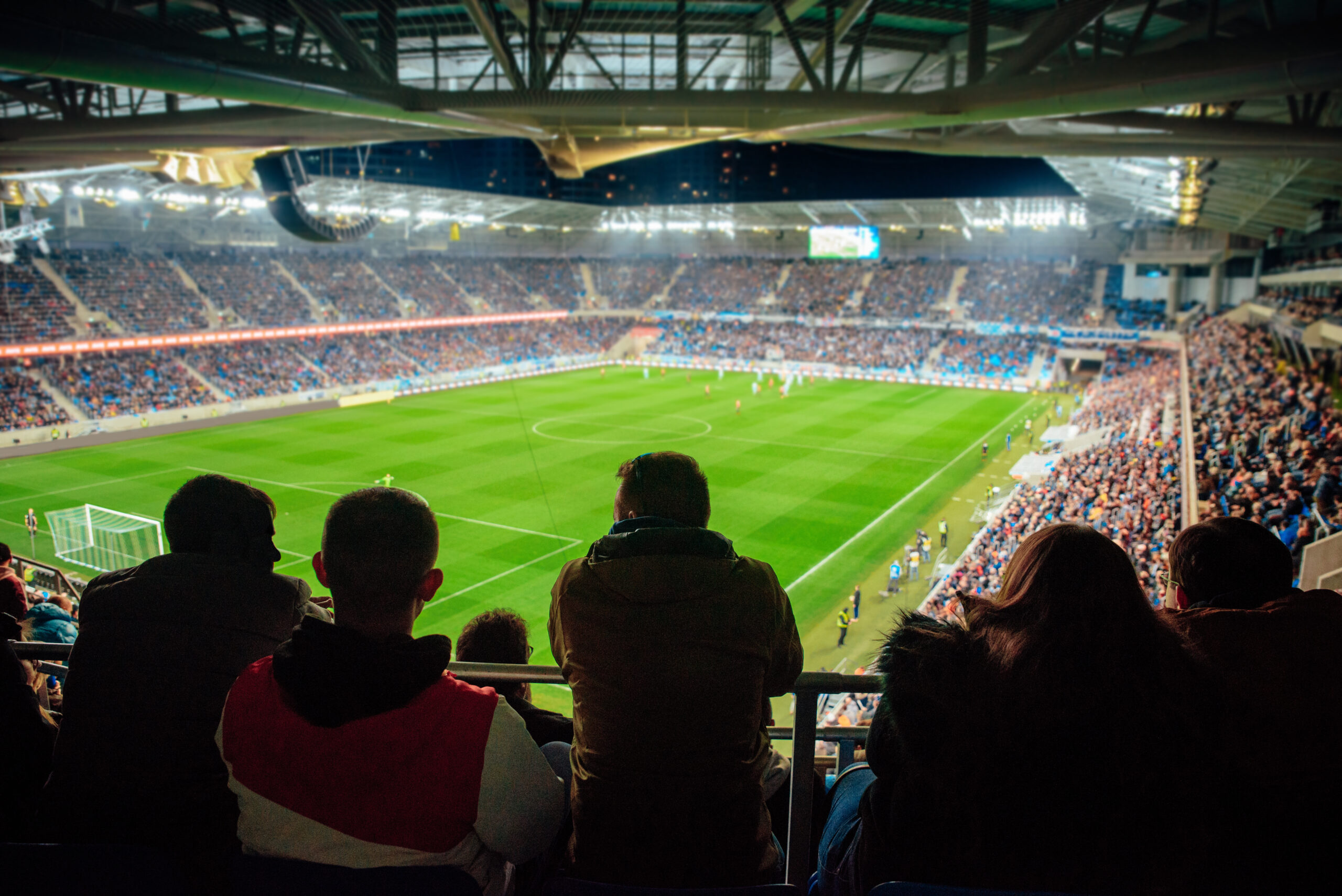
Sports tourism is emerging as one of the fastest-growing segments in the hospitality industry and is projected to generate billions in economic impact. Events such as the Olympics, the World Cup and Formula 1 attract waves of international travelers, prompting hospitality providers to create packages that combine event access with luxury accommodations, wellness treatments and curated experiences. Cities like Melbourne, which hosts the Australian Grand Prix, report over $50 million in economic benefits from such events. This surge is compelling hoteliers to incorporate sport-centric experiences into their guest offerings.
Resources:
TREND 2: The Responsibility of Hotels to Provide Wellness Accommodations for Athletes
Professional teams have hired wellness experts that focus on numerous aspects of the travel experience. Directors of wellness are responsible for planning teams travel itinerary to ensure arrival at the site with enough time to stay on their meal plan and ensure adequate sleep. Hotels are required to have black-out drapes, quiet down-time spaces for the athletes, spaces for movement activities and a chef that will prepare menus aligned with the very specific dietary team requirements. In addition, the hotel should be located near outdoor walking paths to facilitate the required 30 minutes of circadian outdoor activity. While many teams have hotel partnerships in certain cities, others might select accomodations less than 30 minutes away from the event location to maintain their wellness requirements. As hotels are modifying their accommodations for athletes, similar requests are coming from regular guests seeking wellness for their travel. If a fitness center was previously considered adequate, the evolution of wellness in hotels is moving in a different direction.
Resources:
- Luke Jenkinson, Performance Manager for San Diego FC, MLS
EXPLORE THE SPORTS AND HOSPITALITY INITIATIVE
