

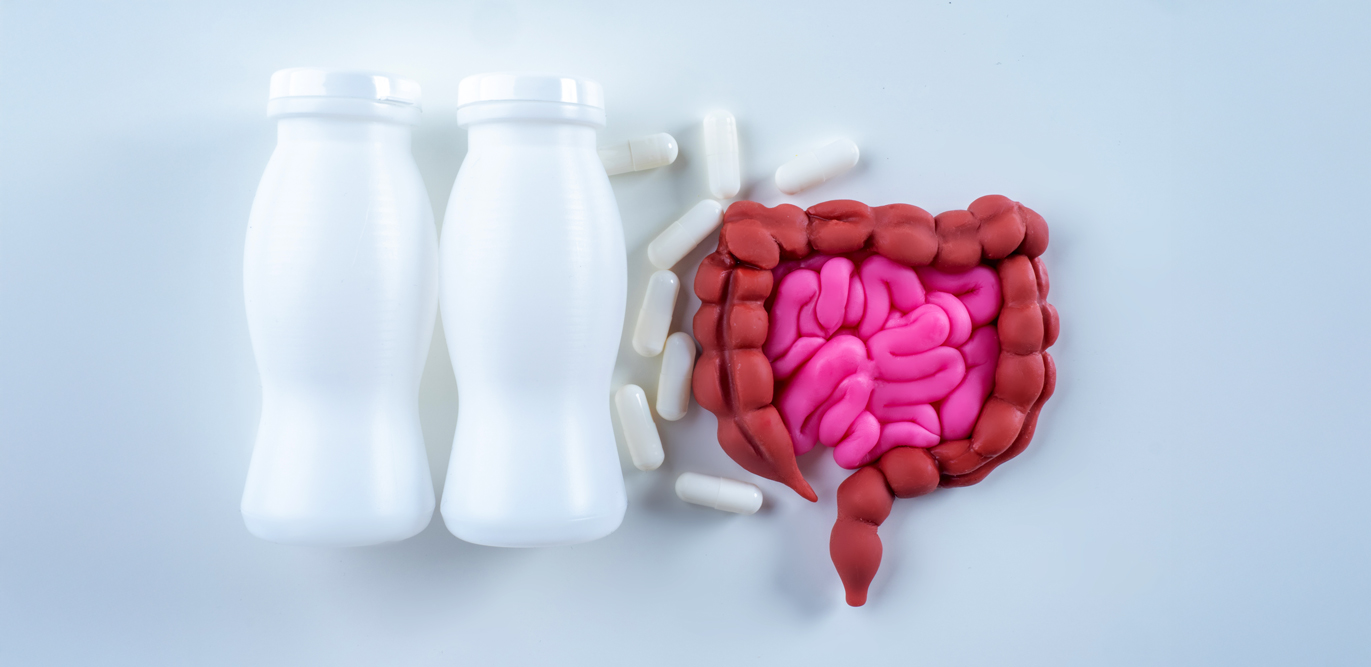
They say health begins in the gut, but that’s not just a catchy wellness mantra—it’s immunology 101. Think of your gut as a castle and nearly 70 percent of your immune system are the guards stationed along its walls. Their job? Keep intruders out, keep order inside, and decide when to raise the alarm. The microbiome is the commander giving those guards instructions: training them to recognize friend from foe, fine-tuning their response, and making sure they don’t burn the whole castle down in the process.
When you support your gut with the right mix of probiotics, prebiotics and even newly emerging postbiotics, it’s like fortifying the castle walls, sharpening the guards’ skills, and stocking the armory with the tools they need. The result: a strong defense system that’s ready for (almost) anything but smart enough not to overreact.
Clinically Effective Nutraceutical Options for Gut–Immune Health
Certain probiotic strains and fibers stand out for their ability to influence both overall gut health and immune defense. They do this by strengthening the intestinal barrier, interacting with immune cells in the gut-associated lymphoid tissue (GALT), and increasing the production of protective compounds like secretory IgA and short-chain fatty acids (SCFAs).
• Lactobacillus rhamnosus GG (LGG)
o Enhances epithelial barrier integrity and stimulates immune cell activity in the gut. Clinical trials show it can reduce the incidence and severity of respiratory tract infections, especially in children and adults under immune stress.
o Effective dose: 10-20 billion CFU/day.
o Food sources: Found in certain yogurts, kefir and fermented dairy products, though therapeutic doses are best achieved via supplementation.
• Bifidobacterium lactis Bl-04
o Interacts with toll-like receptors (TLRs) in the gut, training immune cells to mount a balanced response. Studies demonstrate reductions in cold and flu-like illness duration and frequency.
o Effective dose: 2-5 billion CFU/day.
o Food sources: Commonly added to probiotic-enriched yogurts and fermented dairy beverages.
• Saccharomyces boulardii CNCM I-745
o A probiotic yeast that prevents pathogens from binding to the gut wall, neutralizes bacterial toxins and promotes production of anti-inflammatory cytokines like IL-10. Often used during or after antibiotics to maintain immune balance.
o Effective dose: 250-500 mg/day.
o Food sources: Not naturally present in foods; supplementation is the primary source.
• Synbiotic blends (probiotics + prebiotics)
o Pairing beneficial bacteria, such as lactobacillus and bifidobacterium, with prebiotic fibers like inulin or galactooligosaccharides (GOS) enhances survival, colonization and immune effects. Synbiotics support microbial diversity, increase SCFA production, and improve immune resilience.
o Effective dose: Blends typically provide 5–20 billion CFU plus 3-5 g of prebiotic fiber daily.
o Food sources: Combine probiotic-rich foods (yogurt, kefir, sauerkraut, kimchi) with prebiotic-rich foods (onions, garlic, leeks, asparagus, bananas) for a natural synbiotic effect.
Prebiotics: Feeding the Good Guys
While probiotics introduce beneficial microbes, prebiotics feed them. These fibers selectively stimulate good bacteria, leading to SCFA production that regulates inflammation and strengthens the gut lining.
• Inulin/Fructooligosaccharides (FOS)
o Immune Connection: Supports bifidobacterium growth, increasing acetate and butyrate production that helps train T-regulatory cells for immune balance.
o Food sources: Garlic, onions, leeks, asparagus, chicory root, bananas.
o Supplement dose: 3-5 g/day.
• Resistant Starch
o Immune Connection: Produces high levels of butyrate, which fuels/feeds colonocytes and reduces pro-inflammatory signaling. o Food sources: Cooked and cooled potatoes, green bananas, lentils, oats, beans.
o Supplement dose: 15-20 g/day.
• Partially Hydrolyzed Guar Gum (PHGG)
o Immune connection: Gently fermented to support microbial diversity without causing bloating, and lowers gut pH to limit pathogenic overgrowth.
o Food sources: Derived from guar beans (not typically eaten directly).
o Supplement dose: 5-10 g/day.
Postbiotics: The New Frontier
Postbiotics are the beneficial compounds created when microbes ferment fiber or interact with the host. These include SCFAs (butyrate, acetate, propionate), bacterial cell fragments, and peptides that directly modulate immunity. Postbiotics are like the sparks after striking a match … tiny byproducts that aren’t the main flame but still signal, ignite and create effects that change the whole environment.
• Immune connection: Postbiotics interact with pattern recognition receptors (PRRs) on immune cells, helping to reduce excessive inflammation and enhancing mucosal defenses.
• Food sources: Fermented foods like sauerkraut, kimchi, miso, and tempeh naturally contain postbiotic compounds.
• Supplements: Heat-killed bacterial extracts and purified SCFAs are being developed as new therapeutic tools.
Lifestyle and Functional Medicine Strategies
When we take a functional medicine approach and lens, we can see gut-immune health as a web: diet, stress, sleep and lifestyle all feed into the microbiome and immune system.
• Eat the rainbow: Polyphenol-rich foods (berries, pomegranate, green tea, dark chocolate) act as prebiotics and immune modulators.
• Manage stress: Chronic, prolonged stress alters microbial balance and weakens immunity.
• Prioritize sleep: Poor sleep disrupts circadian regulation of both microbes and immune signaling.
• Stay active: Moderate exercise promotes microbial diversity and strengthens immune tolerance.
• Nutrients that repair: Vitamin D, omega-3s, zinc, glutamine and curcumin all support gut barrier function and immune regulation.
Conclusion: Cultivating a Gut–Immune Garden
Think of your gut as a living garden. Probiotics are the seeds, prebiotics are the fertilizer, postbiotics are the nutrients that sustain growth, and your daily lifestyle is the climate that determines whether this garden thrives. By combining targeted nutraceuticals, immune-supportive foods, and mindful/balanced living, you can create the conditions for both your gut and your immune system to flourish!
The takeaway? Start small but intentional: add a serving of fermented food, increase your fiber variety, or consider a probiotic strain that meets you and your health needs where you are.VR
References:
Kalliomäki, M., Salminen, S., Poussa, T., Arvilommi, H., & Isolauri, E. (2001). Probiotics and prevention of atopic disease: four-year follow-up of a randomised placebo-controlled trial. The Lancet, 357(9262), 1076–1079. https://doi.org/10.1016/S0140-6736(00)04259-8.
West, N. P., Horn, P. L., Pyne, D. B., Gebski, V. J., Lahtinen, S. J., Fricker, P. A., & Cripps, A. W. (2014). Probiotic supplementation for respiratory and gastrointestinal illness symptoms in healthy physically active individuals. Clinical Nutrition, 33(4), 581–587. https://doi.org/10.1016/j.clnu.2013.10.002.
Szajewska, H., & Kołodziej, M. (2015). Systematic review with meta-analysis: Saccharomyces boulardii in the prevention of antibiotic-associated diarrhoea. Alimentary Pharmacology & Therapeutics, 42(7), 793–801. https://doi.org/10.1111/apt.13344.
Scott, K. P., Gratz, S. W., Sheridan, P. O., Flint, H. J., & Duncan, S. H. (2013). The influence of diet on the gut microbiota. Pharmacological Research, 69(1), 52–60. https://doi.org/10.1016/j.phrs.2012.10.020.
Roberfroid, M., Gibson, G. R., Hoyles, L., McCartney, A. L., Rastall, R., Rowland, I., … & Delzenne, N. M. (2010). Prebiotic effects: metabolic and health benefits. British Journal of Nutrition, 104(S2), S1–S63. https://doi.org/10.1017/S0007114510003363.
Brianna Diorio holds a PhD in integrative medicine from the University of Natural Medicine and is a clinical nutritionist with a Master’s of Science in Human Nutrition from the University of Bridgeport. She is also a functional diagnostic nutrition practitioner (FDN), an herbal practitioner through the Herbal Academy, a family herbalist through The School of Natural Healing, a NASM certified personal trainer, and a holistic lifestyle coach from the C.H.E.K Institute. Diorio is the host of the Brianna Approved Podcast, which is a podcast for people who like a holistic approach to real science and clinical research on all things nutrition, botanicals and balance. She currently works as a clinician with her private practice that specializes in alternative health, functional medicine and dietary supplements. Diorio works with a vast array of clients and businesses to educate and improve their health and dietary needs.
