

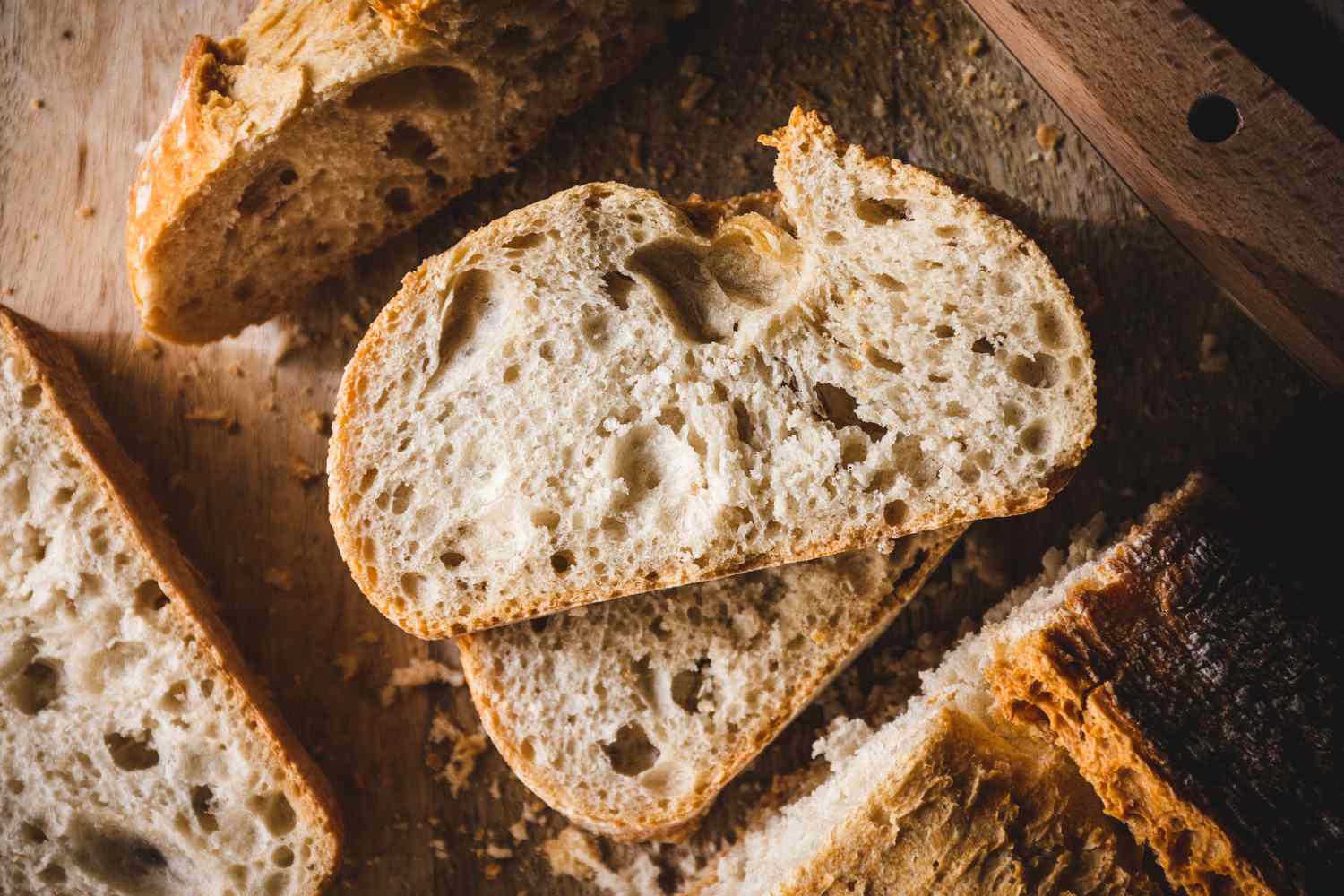
- Freezing your bread and then toasting it can boost its resistant starch, which acts like fiber in your gut.
- Eating bread that was frozen and then toasted may help keep blood sugar steadier.
- Freezing bread cycles can feed good gut bacteria and help produce short-chain fatty acids.
Bread gets a bad rap sometimes, but it’s a staple food for a reason. It’s comforting, versatile and can be part of a balanced diet. But what if a simple storage trick could make your daily slice even better for you, particularly for your gut? Dietitian Abbey Sharp, RD, known for her popular platform Abbey’s Kitchen, recently shared a fantastic tip that’s backed by science: freezing your bread.
It might sound too simple to be true, but freezing your bread can change how your body processes it. The secret lies in resistant starch, a unique type of fiber that resists digestion in the small intestine. By popping your loaf in the freezer, you can increase resistant starch and unlock surprising benefits for your gut health and blood sugar levels.
Why Should You Freeze Bread?
When you freeze bread and then thaw or toast it, you’re performing a bit of food science in your own kitchen. This process alters the molecular structure of the starch in the bread. The starches recrystallize into a form that is more “resistant” to digestion in your small intestine. This is known as resistant starch.
This newly formed resistant starch travels down to your large intestine, as fiber does. Instead of being quickly broken down into glucose and absorbed into your bloodstream, it becomes fuel for your beneficial gut bacteria. This simple act may transform a portion of the carbohydrates in your bread into a prebiotic-like food for your microbiome.
Better Blood Sugars
One of the most well-documented benefits of this process is its effect on blood sugar. Since resistant starch isn’t rapidly digested, it may lead to a slower, more gradual release of glucose into your bloodstream. This means you may avoid sharp blood sugar spikes and subsequent crashes that can sometimes follow a carb-heavy meal. Of course, different bodies react to different foods differently, so check with a healthcare provider before you hang your hat on this kitchen hack.
It’s important to know that this isn’t just a theory; it’s supported by research. A 2008 study found that freezing white bread and then toasting it lowered the glycemic response in participants compared to eating it fresh. Toasting the bread from fresh also had a positive effect, but the combination of freezing and then toasting yielded the most favorable results. While the 2008 study showed promising results, it was conducted on a small group of participants, so more research is needed to confirm these findings.
A 2023 study gave participants fresh white bread and then white bread that had been frozen and reheated. The results showed that the frozen-and-reheated bread led to a lower blood sugar response at every measurement point. Again, the sample size was on the smaller side, so more robust data is needed before we can definitively say this hack is a must-do.
A Feast for Your Gut Microbiome
The potential benefits don’t stop at blood sugar management. By acting like a fiber, resistant starch provides essential fuel for the trillions of microbes living in your gut. When these good bacteria feast on resistant starch, they produce beneficial compounds called short-chain fatty acids (SCFAs), such as butyrate, propionate and acetate.
Butyrate, in particular, is the primary energy source for the cells lining your colon, helping to maintain a strong and healthy gut barrier.
A 2015 study looked at the effects of cooking and freezing cycles on whole wheat flour. It found that these cycles increased resistant starch content, which in turn boosted the production of beneficial SCFAs during fermentation. The study also noted significant increases in Bifidobacterium, a type of probiotic bacteria associated with numerous health benefits. So, by freezing your bread, you are actively nourishing the “good bacteria” in your gut, helping them thrive and support your overall wellness.
How to Freeze Bread
Ready to give it a try? The process is incredibly simple.
- Freeze it: When you get a fresh loaf of bread, you can either freeze the whole thing or, for convenience, slice it first. Slicing it beforehand allows you to grab exactly how many pieces you need without having to defrost the entire loaf.
- Store it: Place the slices in a freezer-safe bag or container. This will protect them from freezer burn and keep them fresh for weeks.
- Toast it: When you’re ready for a slice, simply take it directly from the freezer and pop it into your toaster or under the broiler. There’s no need to thaw it first.
This method works for all types of bread, from classic white and whole wheat to sourdough and rye. It’s a practical way to reduce food waste and enhance the nutritional profile of a food you already enjoy.
Give It a Try!
Thanks to dietitians like Abbey Sharp who break down the science into practical tips, we can all make small, sustainable changes that have a big impact on our health. Freezing your bread is an easy, evidence-based strategy to support better blood sugar control and a healthier gut microbiome. It’s a simple hack that makes your favorite sandwich or morning toast work a little harder for you.
However, it’s essential to keep in mind that this simple step is not a magic bullet for better blood sugar management or dynamite gut health. Lasting benefits are achieved through the overall quality of your diet and healthy lifestyle choices, not by relying on any one food or preparation trick. Use freezing as just one tool in a bigger strategy that includes balanced meals and plenty of nutrient-dense foods, like fruits and vegetables. Since individual responses vary, be sure to consider your unique needs and consult a healthcare provider for advice tailored to your health goals and conditions.
