

Key Takeaways
- The affect heuristic is a mental shortcut where emotions greatly influence decision-making.
- Positive emotions can make you see more benefits and fewer risks in an activity.
- Negative emotions can make you see fewer benefits and more risks in an activity.
The affect heuristic influences your decisions. It’s when your brain takes a “mental shortcut” and your feelings play an important role in the choices you make.
In psychology, the affect heuristic is a mental shortcut that people use to make decisions that are heavily influenced by what they’re currently feeling. Essentially, your affect (a psychological term for emotional response) plays a critical role in the choices you make.
A psychological term for an emotional response is called “affect.”
Your emotions influence all your choices, big and small. For example, you might be more likely to take risks or try new things when you are happy and confident, and less likely to when you’re feeling down and insecure. If you’ve ever gone with your “gut feeling” when facing a difficult decision, then you’ve relied on the affect heuristic.
After all, you might already know that you are more likely to take risks or try new things when you are happy but less likely to go out on a limb when you’re feeling glum. If you’ve ever gone with your “gut feeling” when faced with a difficult decision, you are probably relying on the affect heuristic.
In psychology, a heuristic is a mental shortcut that allows people to make decisions quickly and efficiently. In this case, it is the way you feel (your affect) toward a particular stimulus that influences the decisions you make.
Let’s talk more about how the affect heuristic would play out in your daily life, including some examples of how it helps you make decisions.
Press Play for Advice On Making Decisions
Hosted by Amy Morin, LCSW, this episode of The Verywell Mind Podcast shares a simple way to make a tough decision. Click below to listen now.
Follow Now: Apple Podcasts / Spotify / Google Podcasts
Affect Heuristic: How It Works
Your feelings about the relative “goodness” or “badness” of a particular person, object, or activity influence the choices that you make about them.
So, just how much do your emotions influence your decision-making and how does this affect your life? Here’s what research has shown:
- When you are in a positive emotional state, you are more likely to perceive an activity as having more benefits and fewer risks.
- On the other hand, if your emotional state is negative, you are more likely to see an activity as having few (if any) benefits and much more risk.
Affect Heuristic: Example
Here’s an example of the affect heuristic in action. Imagine two kids playing in a local park: Miguel and Jenny.
Miguel has spent a lot of time having fun on the swings at a neighbor’s house, so he has nothing but positive feelings when he sees the swing set at the park. He immediately decides that the swings will be a good choice (e.g., high benefit, low risk) and eagerly runs over to play on them.
Jenny, however, recently had a negative experience while playing on the swings at a friend’s house—she fell off and got hurt. So, when she sees the swings at the park, she draws on her recent not-so-fun-and-kinda-painful memory and decides that the swings are a bad choice (e.g., low benefit, high risk).
How the Affect Heuristic Affects Your Life
The affect heuristic as prone and cons. While these mental shortcuts let us make quick and often reasonably accurate choices, they can also lead to poor decision-making.
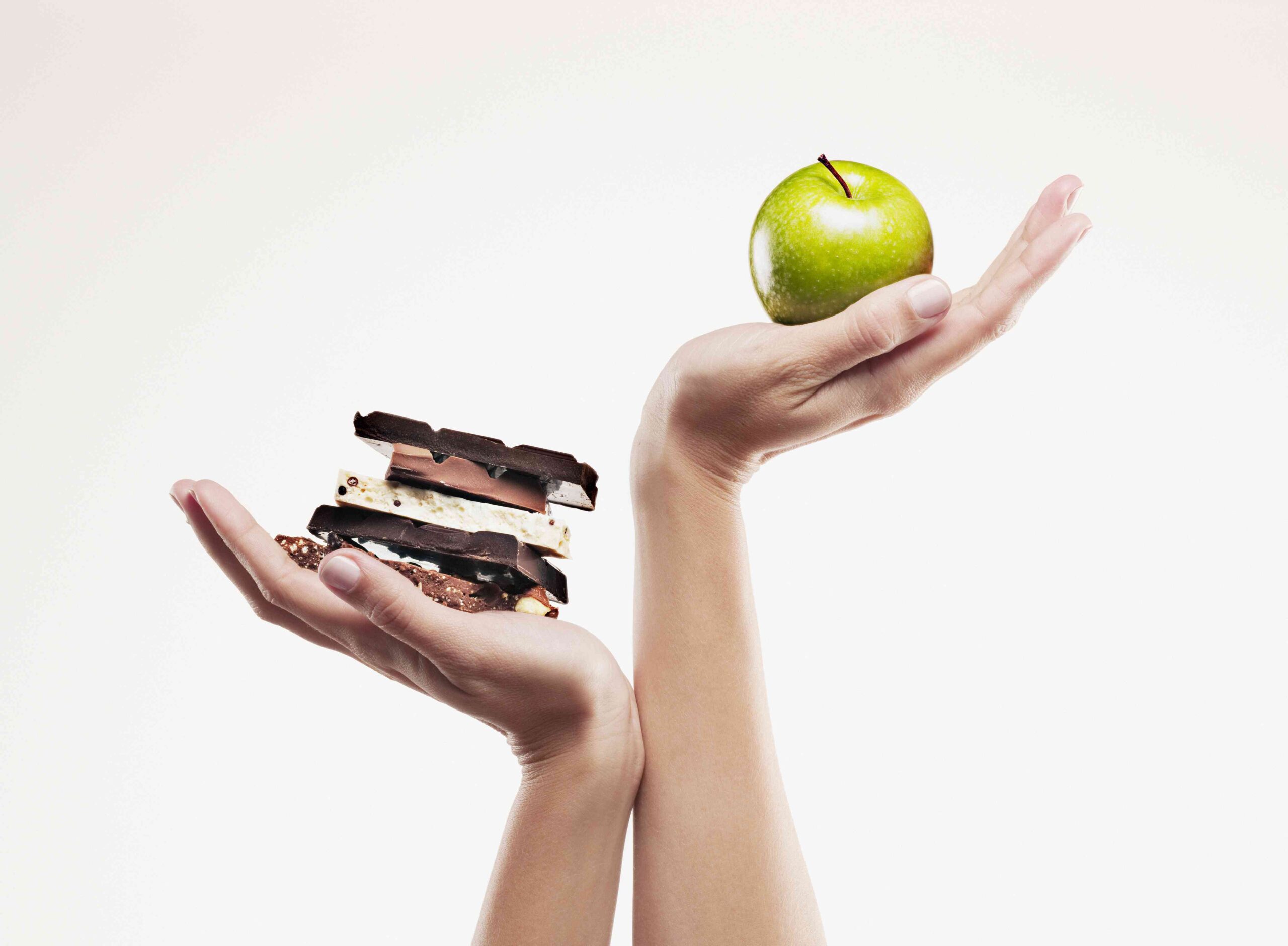
Consider how advertising can make activities like smoking or eating tasty but not very nutritious food seem like positive choices. These ads can influence the emotions of consumers and lead them to make decisions that do not support (and can even harm) their health.
A 1978 study played an important role in our understanding of the affect heuristic. The researchers found that judgments of benefits and risks were negatively correlated—that means the greater the perceived benefit, the lower the perceived risk. On the other hand, the riskier a behavior seemed, the less the perceived benefits of it were.
Behaviors such as drinking alcohol and smoking were viewed as high-risk and low-benefit, while things like antibiotics and vaccines were seen as high-benefit and low-risk.
Researchers have also found that emotions can influence the judgments people make about the data they are given. In an older study from 2009, clinicians were shown recidivism rates that were presented as either probabilities (such as 30%) or frequencies (such as 30 out of 100).
The clinicians rated mental health patients as presenting with a higher risk when the numbers were shown as frequencies instead of probabilities. Why? The researchers thought presenting the data as frequencies led the clinicians to make more extreme judgments, as it created a mental image of the patient lapsing back into their old behaviors.
How to Keep Your Emotions Out of Decisions
The affect heuristic can have a powerful influence on our decisions. So, how can you make sure that your emotions aren’t leading you to make choices that won’t benefit you?
To start, just being aware that this happens can be really helpful. Noticing your tendency to be swayed by your feelings at the moment can help you pause and work on making more objective and clear-minded decisions in the future. Research also suggests that talking to yourself in the third person can be an effective tool to improve your self-control.
Usually, you probably talk to yourself in the first person—that is, saying “I am,” “I want,” and “I need.” This perspective puts you right smack in the middle of everything you’re feeling, sensing, and experiencing in the moment—a busy spot that can easily be overwhelming.
Instead, think about becoming a narrator telling the reader about what’s happening to a character but isn’t actually part of the story. The narrator is in a useful place: they can see and hear what’s going on, and they know how a character is feeling and thinking, but they do not have to feel those feelings or think those thoughts themselves. The narrator is detached from emotions and can look at what’s happening objectively.
Here’s something to try: The next time you need to make a decision in an emotional moment, pause and silently “talk” to yourself in the third person. You can take on the role of the narrator to describe what’s happening objectively. You may even give your “character” some advice on how to handle the situation.
For example, imagine you’re about to tell yourself “I can’t do this, I’m going to mess up.”
Instead, go into narration mode and say, “[Your name], was nervous but had spent the whole week leading up to this moment preparing, so they had the tools and know-how to get the job done.”
Or, for a bit of a confidence boost, you could try, “[Your name], it’s understandable that you’d be nervous because you care about doing a good job. But don’t let your nerves take over—you’ve worked hard and you’re ready. Take a deep breath and do the best you can.”
You may find that using narrative self-talk helps you stay calm, collected, and level-headed, and can even prevent you from making a decision in the moment that you’d regret later.
