

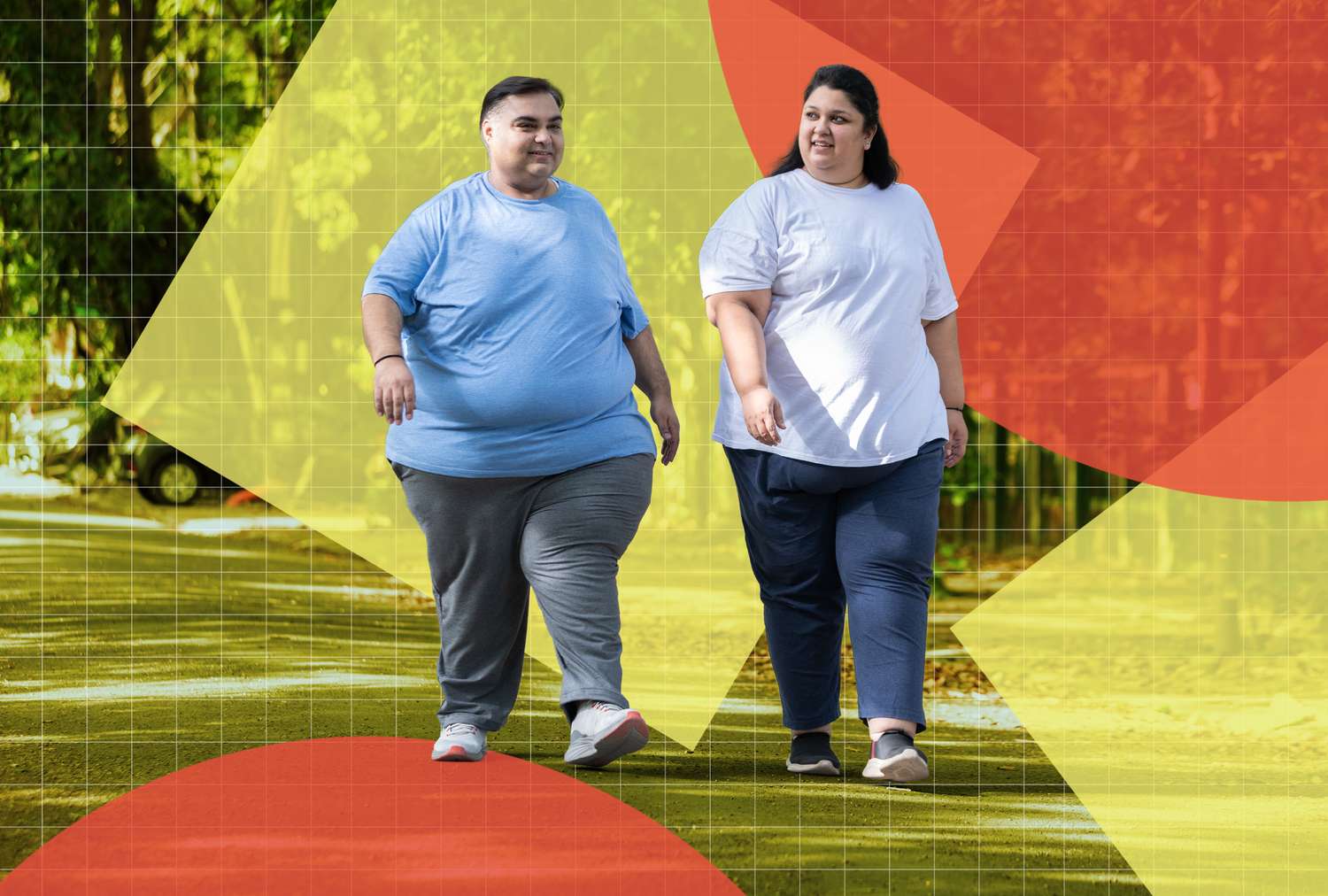
- Excess visceral fat is linked with poorer health, including a greater risk of chronic disease.
- Combining walking and strength training has been linked to significant visceral fat loss.
- Other factors like a healthy diet, proper sleep and being less sedentary are also important.
Visceral belly fat—the deep fat surrounding your internal organs—can be stubborn and isn’t just a cosmetic issue. In small amounts, it cushions and protects your organs. But when too much accumulates, it’s been linked to serious health risks, including heart disease, certain cancers and other health problems.
If you’ve ever been tempted by a program promising to “torch belly fat in 21 days,” know that unfortunately visceral fat doesn’t respond to quick fixes or targeted ab workouts. The good news? There are proven, sustainable ways to reduce visceral fat from home.
Nutrition is part of the equation, but movement matters just as much. In fact, personal trainers agree that the right types of exercise can help reduce visceral fat and keep it off long-term. “After working with hundreds of clients, there’s one activity that consistently stands out, and that’s regular brisk walking,” shares Damien Evans, CPT.
“It may sound underwhelming, but the science is clear: walking performed at a moderate pace, especially when done consistently, has been shown to significantly reduce visceral fat,” adds Jamie Martinez, CPT. Pair this with some strength training, and it can support meaningful fat loss and better body composition.
Read on to discover why walking, combined with strength training, is a go-to strategy trainers swear by for losing deep belly fat for good.
Why Trainers Recommend Walking & Strength Training to Lose Visceral Fat
Walking Impacts Visceral Fat Directly
While all exercise benefits overall health, walking has consistently been shown to help reduce visceral fat.
In one study in overweight and obese postmenopausal women, both slow- and fast-paced walking led to significant reductions in visceral fat. Interestingly, participants who walked at a slower pace (3.4 mph or 5.4 km/h) lost more visceral fat than those who walked faster (4.1 mph or 6.6 km/h), even when covering the same distance. The researchers concluded that while both speeds can be effective, slow walking may be a more realistic option for beginners or those who are less physically active.
Walking is also an activity you can do daily, making it easier to sustain long-term, shares Erica Friedman, NASM-CPT, CPPC, PCES, PPA.
Strength Training Builds & Supports Lean Muscle
“While walking is the foundation, strength training amplifies results,” says Evans. Research supports this: a 2021 randomized controlled trial found that exercise programs combining aerobic and resistance training led to greater visceral fat loss than programs with only cardio or strength training.
Strength training not only builds muscle but also increases resting metabolic rate, improves insulin sensitivity and helps regulate cortisol, notes Katie St. Clair, CSCS, CPT.
It supports visceral fat loss in two main ways. First, a strength-training workout temporarily boosts your metabolic rate, burning extra calories as your body recovers. Second, having more muscle slightly increases the calories you burn at rest. Together, these effects help create a calorie deficit over time, which is key for reducing visceral fat. Over time, this can lead to noticeable changes in body composition—especially if you aim for at least two days of resistance exercise per week.
Not sure where to start? Evans and Martinez recommend focusing on compound exercises, like squats and pushups, which you can do using just your body weight. Alternatively, consider booking a session with a personal trainer or physical therapist for a personalized exercise plan.
They Both Improve Insulin Sensitivity
Higher levels of visceral fat can impair the body’s ability to use insulin effectively, often leading to insulin resistance. When this occurs, glucose stays in the bloodstream instead of entering cells, causing blood sugar levels to rise—a key risk factor for type 2 diabetes. The good news is that exercise, including aerobic activities like walking and resistance training, has been shown to improve insulin sensitivity and support healthier blood sugar control.
It’s Sustainable
Finally, the experts we spoke with emphasize that daily walking is sustainable, making it far more likely to support long-term results. It’s easy to get drawn to quick-fix programs that promise fast changes but are difficult to maintain when life gets busy. Walking, on the other hand, is flexible and adaptable to your schedule. If the weather isn’t cooperating, a walk around the mall or indoors still counts—no rigid rules required.
Other Tips to Lose Visceral Fat
Aerobic activity and strength training are a powerful pair to help lose visceral fat, but other factors can also make a difference. Consider adding these tips to your routine:
- Move Daily. Most people aren’t moving enough, thanks to our sedentary lifestyles. “If someone is aiming for fat loss (regardless of location on the body), they need to get moving,” says Friedman. This doesn’t have to mean a long run or HIIT class; any activity counts. This can also look like gardening, walking your dog, cleaning your house or an at-home workout—all forms of movement add up.
- Eat a Balanced Diet. If you’re looking to lose visceral fat, nutrition is key. Martinez encourages clients to focus on what’s on their plate and prioritize solid nutrition at all meals. Protein and fiber are especially important—they help keep you full longer and reduce mindless snacking that can derail fat-loss goals.
- Prioritize Sleep. Logging enough zzz’s is crucial for fat loss. Research shows that those who sleep less tend to carry more visceral fat than those who get adequate sleep, highlighting the powerful role sleep plays in overall health and weight management.
Workout Plan to Try
The Best 7-Day Interval Walking Plan for Beginners, Created by Certified Trainers
Our Expert Take
While no exercise can spot-reduce visceral fat, personal trainers agree that consistent lifestyle habits can make a meaningful difference. Combining daily walking with at least two days of resistance training each week can help reduce visceral fat while supporting long-term health. For best results, start gradually and check with your health care provider before starting a new exercise program.
