

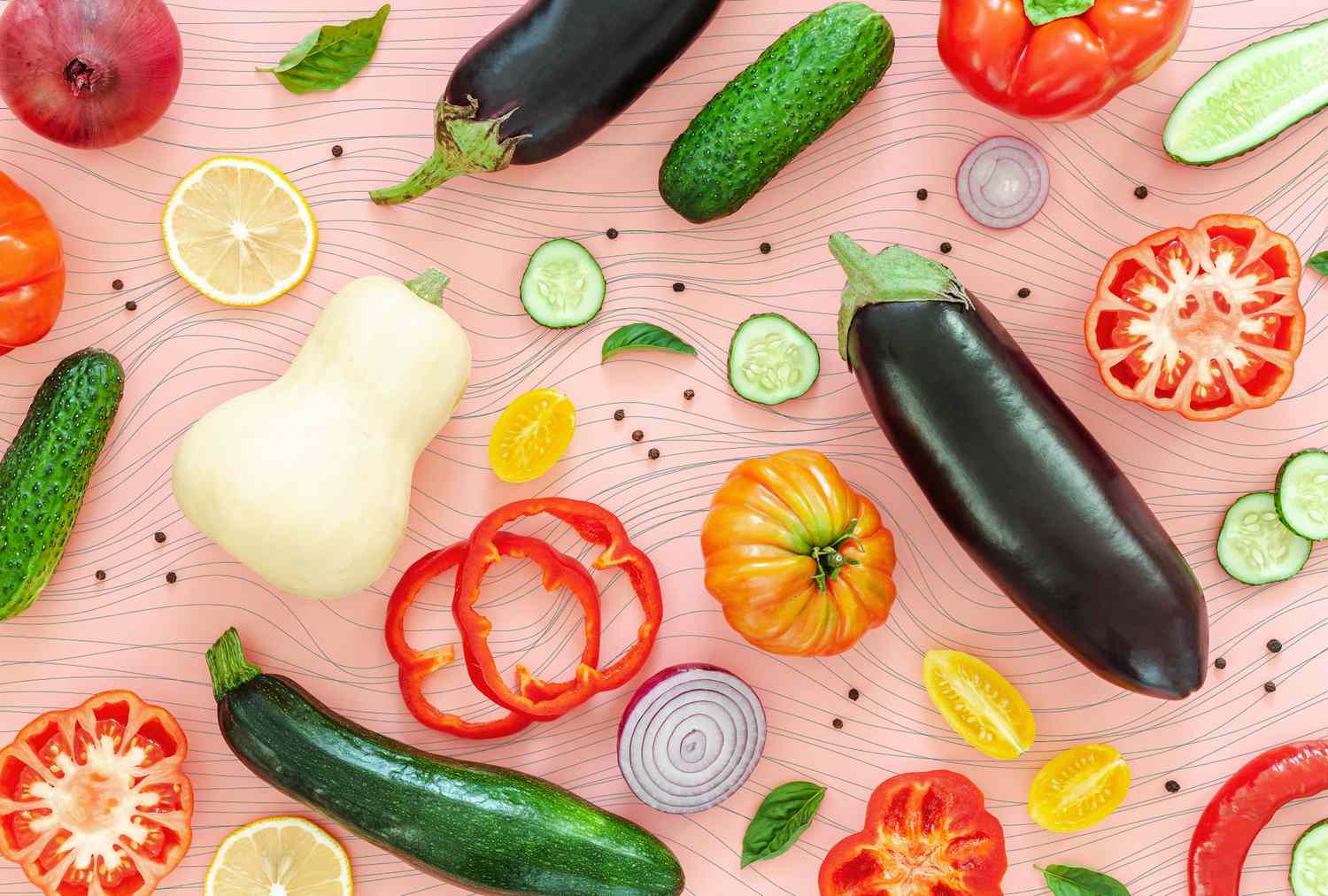
- Though not all breast cancers are preventable, a healthy diet may help lower your risk.
- A diet high in fiber has been linked with a lower risk of breast cancer.
- Prioritize fiber-rich plant foods, which also provide protective vitamins, minerals and phytonutrients.
Women have about a 13% chance of developing breast cancer during their lifetime. While some risk factors, like genetics, are beyond your control, lifestyle habits can make a difference. In particular, eating a healthy diet is linked to a lower risk of breast cancer.
One nutrient that stands out? Fiber. “Fiber isn’t just about digestion and healthy bowel movements. It has multiple, lesser-known roles in cancer prevention,” says Alison Tierney, M.S., RD, CD, CSO.
In this article, we explore how fiber may protect against breast cancer and share practical tips from experts on how to include more fiber in your diet.
How Fiber May Protect Against Breast Cancer
It May Help Your Body Get Rid of Excess Estrogen
Fiber, especially soluble fiber, acts as a natural binder in your gut. Beyond promoting regularity, research suggests it may also help protect against common types of breast cancer. “Fiber binds excess estrogen in the gut, helping the body excrete it rather than reabsorb it, which may lower risk of hormone-receptor–positive breast cancers,” says Tierney.
In these cancers, estrogen and/or progesterone attach to receptors on breast cells, stimulating their growth. About 3 out of 4 breast cancers are hormone-receptor-positive, so keeping estrogen levels in check can make a difference. Increasing your fiber intake may be one effective way to help support this balance.
“It has been shown that dietary fiber may block intestinal absorption of estrogens and increase fecal excretion of estrogens but more research needs to be done before making conclusions. What we know is that eating 25 grams or more of fiber per day may reduce the risk of breast cancer,” says Jamie Baham, M.S, RDN, LD.
Promotes Insulin Sensitivity
Higher circulating levels of insulin—a hallmark of insulin resistance—may directly stimulate breast cancer cell growth. Research shows that insulin resistance not only increases breast cancer risk but can also reduce survival rates.
Eating more fiber is a simple way to support healthy blood sugar and insulin levels. Soluble fiber forms a gel in the small intestine, capturing excess sugar before it enters the bloodstream. This slows down glucose absorption, helping to keep blood sugar stable and insulin levels lower.
Helps Produce Cancer-Fighting Fatty Acids in the Gut
You’ve probably heard that fiber is great for digestion—but its gut-health benefits may also play a role in lowering your risk of breast cancer. Dietary fiber isn’t fully broken down in your small intestine. Instead, it’s fermented by good bacteria in your colon, producing beneficial compounds called short-chain fatty acids. “Fiber nourishes beneficial gut bacteria, which produce short-chain fatty acids like butyrate with anti-inflammatory and antitumor properties,” says Tierney.
A 2024 study found that people with breast cancer had lower levels of short-chain fatty acids in their stool compared with a healthy control group. The research suggests that that butyrate—a short-chain fatty acid—may reduce breast cancer risk by influencing the genes involved in cancer development. However, larger-scale studies are needed.
It’s Found in Foods Rich in Other Cancer-Fighting Nutrients
Fiber-rich foods—like fruits, veggies, legumes, whole grains and seeds—pack more than just fiber. They’re also loaded with vitamins, minerals and antioxidants that work together to lower breast cancer risk. It’s this powerful nutrient combination that makes them true cancer-prevention superstars.
“Fruits and vegetables supply carotenoids, vitamin C and flavonoids that combat oxidative stress, a key player in cancer development,” says Tierney. “Whole grains and legumes provide plant protein, magnesium and B vitamins, all linked with reduced overall mortality. Seeds like flax and chia bring fiber, omega-3s, plant protein and phytoestrogens, supporting both breast and heart health.”,
“Folate is another nutrient that is dominant in some fiber-rich foods like dark leafy greens and Brussels sprouts and even potatoes with skin. This is a water-soluble B vitamin that is helpful in DNA synthesis and repair, which provides anti-inflammatory support in terms of reducing breast cancer risk,” says Baham.
With their antioxidant and anti-inflammatory benefits, it’s no surprise that higher fruit and vegetable intake is linked with a lower risk of breast cancer. “Together, these nutrients create a synergistic effect that’s greater than fiber alone,” says Tierney. This is a key reason why cancer experts often recommend a plant-forward diet for breast cancer prevention.
Tips to Eat More Fiber
- Include Fiber at Every Meal. Baham recommends eating fiber-rich foods—such as fruits, veggies, beans, whole grains, nuts and seeds—at every meal to help reach the 25 grams of fiber per day recommended for women. This could look like oatmeal with fruit and nuts for breakfast, a hearty bean salad for lunch and a veggie-packed grain bowl for dinner.
- Keep Frozen Options on Hand. Contrary to popular belief, frozen produce is just as nutritious as fresh. Plus, frozen fruits and veggies require less prep work and last longer. They’re easy to toss into stir-fries, sheet-pan dinners, pasta dishes, smoothies, chia pudding and more for a quick fiber boost.
- Buy Pre-Chopped Produce. If the daunting task of washing and cutting fruits and veggies limits your fiber intake, consider buying pre-chopped produce that’s ready to eat or cook. It may be the shortcut you need to add more to your diet.
- Eat More Plants. If your protein mainly comes from animal sources, consider adding more plant-based proteins like beans and lentils. You could also mix animal and plant proteins in your meals, like mixing black beans with ground beef for taco night.
Our Expert Take
Although not all breast cancers can be prevented, getting enough fiber may lower your risk. Fiber supports healthy hormone balance by helping reduce estrogen levels, improve insulin sensitivity and fuel the production of cancer-fighting fatty acids in your gut. Plus, fiber-rich foods are naturally packed with other protective nutrients—like vitamin C, folate, carotenoids, flavonoids and other phytonutrients.
To meet your daily fiber needs, aim to include a fiber source at every meal. For convenience, stock up on pre-chopped or frozen produce, and boost your intake of plant proteins like beans, lentils and nuts in both meals and snacks. Small daily choices—like eating more fiber—can go a long way in supporting breast health and overall wellness.
