

It’s a strange shift: After spending your whole life trying to avoid getting pregnant, you suddenly want to do so, and fast. But rather than making this change at the flick of a switch, many fertility doctors are now recommending hopeful patients spend a few months improving their health to give themselves the best chances of conceiving. Welcome to “trimester zero.”
“Trimester zero refers to the three months before conception when egg and sperm quality are being shaped and the body is preparing for pregnancy,” Lora Shahine, MD, a reproductive endocrinologist, ob-gyn and host of the Brave and Curious podcast tells SELF.
Amanda Wahlstedt, RDN, tells me that she spent even longer in her build-up to TTC—the common online parlance for “trying to conceive.” Wahlstedt has been documenting her pregnancy preparation online, sharing the foods she’s prioritizing, the tests she and her fiancé have undergone, and the prenatal vitamins she’s taking in a six-months period. Wahlstedt is working on her stress levels, too. “Finding ways to care for my nervous system through meditation and intentional ‘unwind’ time has been essential, physically but also emotionally,” she says.
But don’t get carried away: Stressing out about trimester zero—or going too deep into snake oil wellness practices that likely won’t improve your chances of conceiving—won’t do much to help your chances, either. (In fact, they may even hurt them.) Here’s what you need to know.
A healthy lifestyle is linked to better fertility.
Infertility rates are rising and many people are choosing to have children later in life. While age plays an undeniable role in fertility, research shows that lifestyle changes can improve your chances of conceiving. For example, an eight-year study following 17,544 women found that eating a fertility-friendly diet, being a healthy weight, and keeping physically active was linked to a 69% lower risk of ovulatory infertility. The Mediterranean-style diet is linked with higher pregnancy rates and studies on sperm health show that nutrition, exercise, sleep, and avoiding toxins improve sperm count, motility, and DNA integrity.
The basic takeaway? If something is good for your overall health, it’s probably good for your fertility. “You wouldn’t just show up to a marathon without training and preparing, would you?” Natalie Crawford, MD, a reproductive endocrinologist, ob-gyn, and author of The Fertility Formula, tells SELF. “But that’s what people do when it comes to getting pregnant.”
Prioritize sleep, strength training, and a healthy diet.
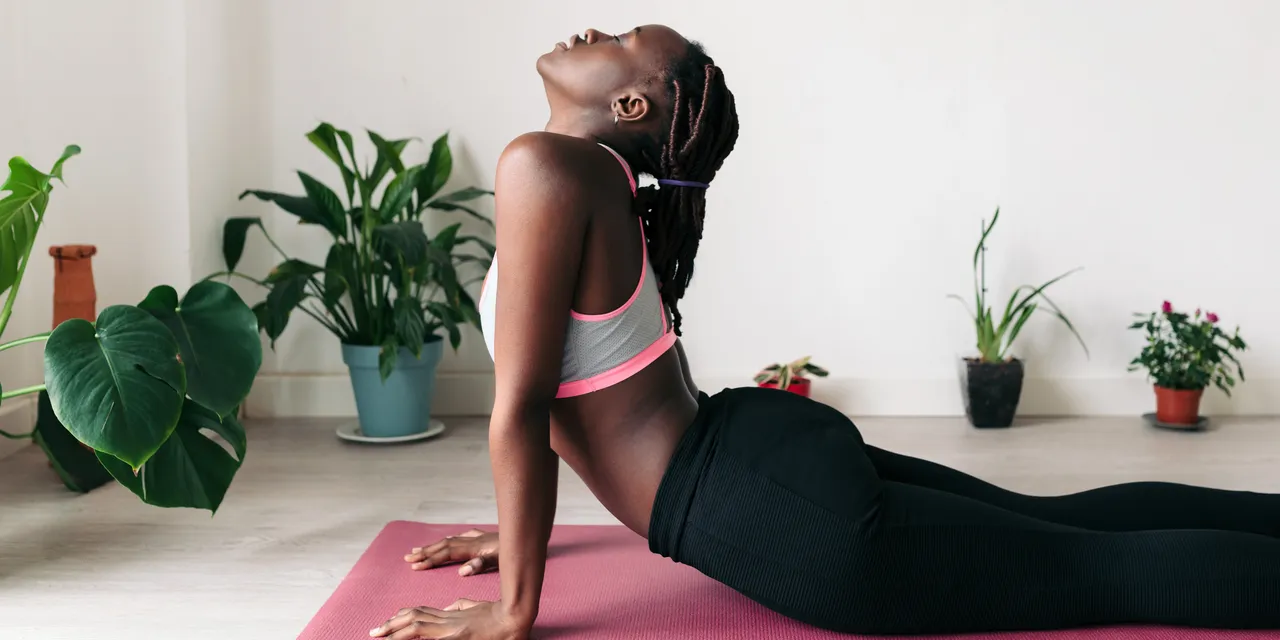
Sleep is paramount, Dr. Crawford says: “If we don’t sleep enough, we’re directly going to impact our ability to ovulate and make estrogen and progesterone.” Managing stress as best as possible can help, too. Dr. Crawford recommends meditation, mindfulness, acupuncture, journaling, walking, or yoga.
