

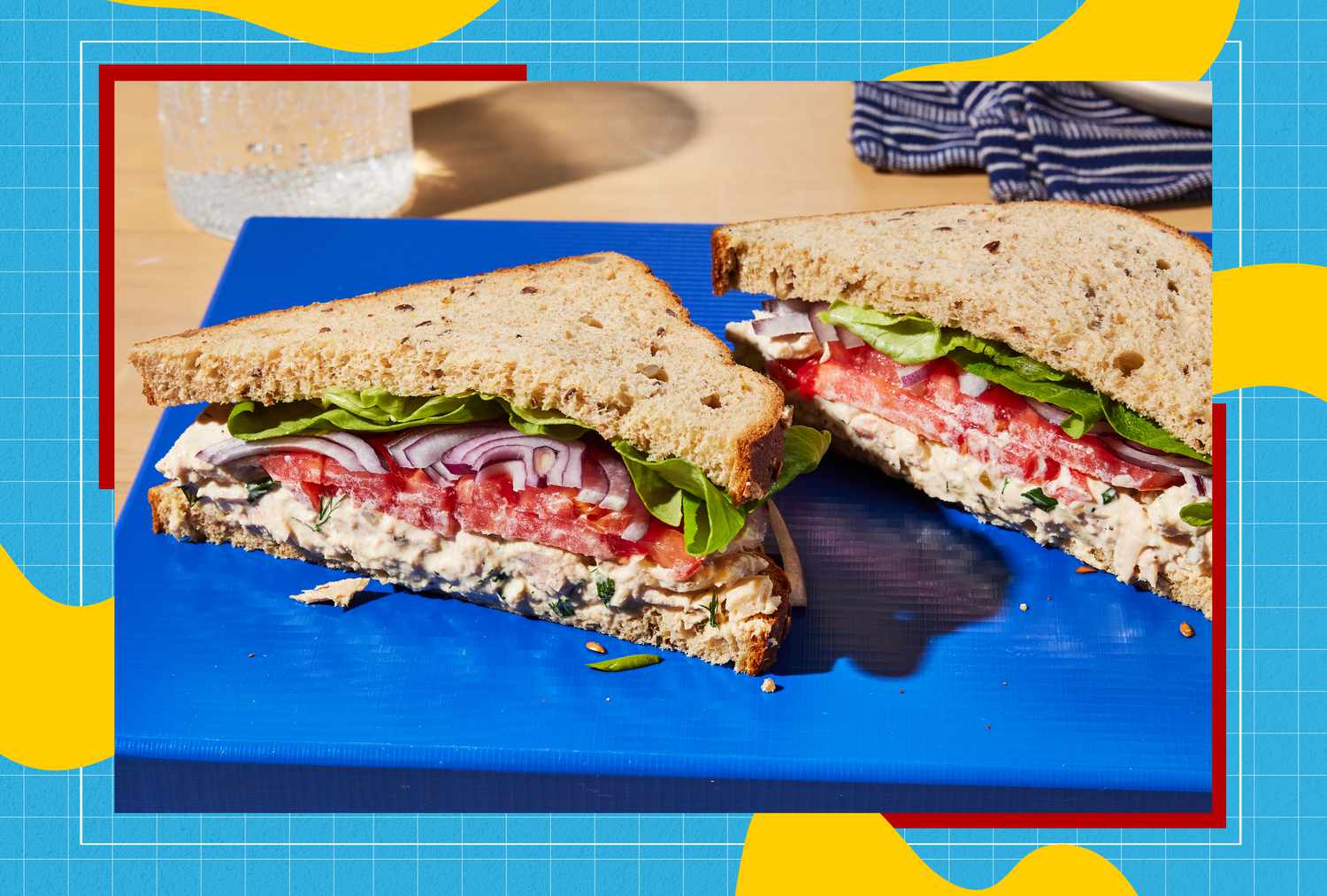
- Chefs agree that the best tuna salad starts with selecting the right tuna packed in oil.
- For more flavor, consider add-ins and letting the salad chill in the refrigerator.
- You can serve it on good bread, with crackers or tortilla chips, or over salad or veggies.
It’s safe to say that there is no shortage of tuna salad recipes on the internet. So in a sea full of fish salads, uncovering the secret to the best tuna salad can be difficult. Is homemade mayonnaise the key? Or is it diced pickles? Perhaps it’s dill. After polling several chefs, it turns out the key is the tuna itself—and it should be packed in oil.
While all of those creamy condiments, crunchy vegetables and aromatic herbs together help create a delicious result, use the wrong type of tuna and things can go south pretty quickly.
The Secret Is in the Can
And, according to the chefs, there’s more than one reason to use oil-packed fish when making tuna salad. “Olive oil enhances the flavors and adds a unique taste, just like it does with other foods,” says chef and Food Network finalist Michael Proietti. “Tuna in water also usually has a stronger fish flavor, but olive oil really mutes that down. Water is for cleaning, and olive oil is for adding flavor. That’s how my brain always thinks about it. I would never pack sardines or duck confit in water, so why would I do that to a beautiful fish like tuna?”
The reasons to choose olive oil-packed tuna don’t end with flavor and smell. In fact, Chef Carla Contreras, host of “The Nourishing Creativity Podcast,” says it’s an overall superior product because the olive oil gives the fish a juicier and more tender texture, creating a great base for all of her favorite tuna salad additions.
But keep in mind that not all canned tuna, whether packed in water or oil, are created equally. Depending on your preference for texture and taste, several types work well for tuna salad, including albacore, which has a firmer, flakier texture; chunk light, which yields a softer, “wetter” tuna salad; and yellowfin tuna for its meaty, velvety texture. Just be sure to look for labels that indicate premium-quality ingredients and ethical practices, such as Fishwife Albacore Tuna in Olive Oil and Tonnino Yellowfin Tuna in Olive Oil—both chef-recommended top picks.
Flavor–Boosting Add-Ins
When it comes to all the tuna salad add-ins, the sky is truly the limit. In other words, add whatever you like best—be it celery, onion or relish. But if you’re not sure where to start, you can take a few cues from the chefs.
Chef and author Genevieve “The Salmon Queen” Ashworth recommends going all in with the olive oil. “My key to the perfect tuna salad is using extra-virgin olive oil instead of mayonnaise,” says Ashworth. “I do this to give the salad a lighter yet bolder flavor that elevates the taste of the tuna and the other ingredients included in the recipe.” As for her favorite add-ins, Ashworth opts for capers, sun-dried tomatoes and minced hard-boiled eggs. The egg yolks act as a stand-in for the mayonnaise, adding a creamy texture without masking the tuna’s rich flavor.
For a New York City–style tuna salad with a spin, Contreras adds fresh lemon juice, a dash of hot sauce and cilantro leaves—a recipe inspired by her days working at the now-shuttered Bushwick staple Northeast Kingdom.
Let It Chill
You already know that refrigerating leftover tuna salad is a must to prevent it from going bad, but Contreras says chilling the tuna salad before digging in is a behind-the-scenes pro technique that allows the flavors time to meld. Surprisingly, she notes that restaurants even use chilled tuna when making hot tuna melts.
To get a head start on chilling, she recommends chilling all ingredients—even the tuna—before assembling the salad. Because olive oil solidifies and can even gel below 45°F, remove the tuna from the refrigerator a few minutes before preparation to let it soften.
Look Beyond the Bread
To make the best tuna salad even better, choose an edible vehicle for getting it into your mouth that matches your recipe. For classic tuna salad, go for toasted whole-wheat bread, saltine crackers or a green salad. For a tuna melt, sourdough and rye are the preferred options. For a spicy tuna salad complete with diced jalapeño peppers and cilantro, try scooping it up with tortilla chips. Lastly, Contreras advises looking beyond the bread and trying tuna salad served on vegetables, such as sweet potatoes, or wrapped in tortillas or collard greens.
The Bottom Line
For the most delicious tuna salad, the chefs we interviewed recommend using a tuna packed in oil, which helps keep the meat moist and tender. Additionally, choose a tuna that meets your taste and texture preferences. You have a few choices: if you like your fish firm and flaky, choose albacore; if you like it wet and soft, go with chunk light; and if you like it meaty and velvety, yellowfin tuna is a great option. Plus, consider add-ins for extra flavor and how you plan to serve it—it doesn’t have to be used in a sandwich—it’s great on salads and vegetables, too.
