

Key Takeaways
- Psychology helps us understand behavior by describing it to identify what is normal or abnormal.
- Psychologists explain why behavior happens by conducting research to uncover factors that affect actions.
- Predicting behavior lets psychologists anticipate future actions and helps in solving real-world problems.
Human behavior is complex and sometimes confusing, and that’s why we have psychology to help us make sense of it all. Psychology—aka the scientific study of the mind and behavior—has four main goals:
- to describe behavior
- to explain behavior
- to predict behavior
- to change behavior.
At its core, psychology offers us a framework to help researchers and mental health practitioners study the mind, spot patterns, and find ways to improve our well-being and daily lives.
Here’s why psychologists pursue these goals and how the information they gather is used to solve real-world problems.
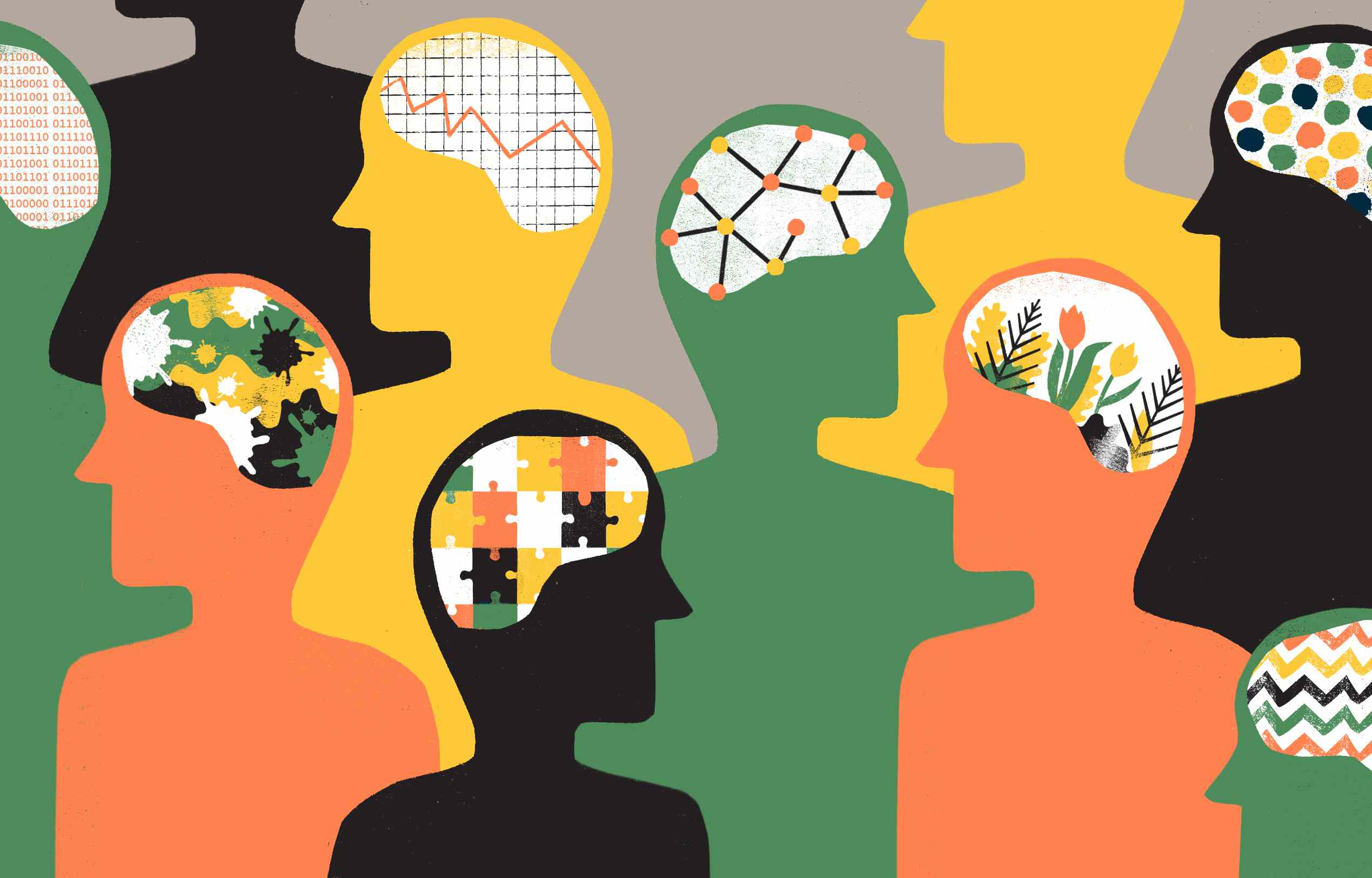
Illustration by Emily Roberts, Verywell
Describing Behavior
To understand a behavior, we have to start by describing it. Simply describing the behavior of humans and other animals helps psychologists understand the motivations behind it. Such descriptions also serve as behavioral benchmarks that help psychologists gauge what is considered normal and abnormal.
Researchers might start by observing human behavior and then describing a problem. By understanding what is happening, psychologists can then work on learning more about why the behavior happens and even how to change it.
How Psychological Descriptions Might Be Used
Imagine that researchers want to learn more about consumer behavior in a particular retail outlet. They might use market research surveys, direct observation, and other data collection methods to gather information on what people are doing when they shop there. This gives advertisers greater insight into what is really happening in their target market.
Explaining Behavior
Once we’ve described a behavior, the next step is to try to explain why it happens. Explaining behavior is probably what comes to mind for most people when they think about the goals of psychology.
Why do people do the things they do? What factors contribute to development, personality, social behavior, and mental health problems? Those are just a few of the questions that psychologists ask when they are trying to explain a behavior they’ve observed.
Mini-theories focus on a small aspect of human behavior, whereas grand theories serve as all-encompassing explanations of human psychology.
How Psychological Explanations Might Be Used
In the previous example, researchers collected data to understand what consumers are purchasing. Psychologists might then conduct research to understand why consumers purchase certain items or what factors motivate them to make particular purchases.
Predicting Behavior
Not surprisingly, another primary goal of psychology is to predict how we think and act. Once psychologists understand what happens and why, they can formulate predictions about when, why, and how it might happen again.
Successfully predicting behavior is also one of the best ways to know if we understand the underlying causes of our actions.
Prediction also allows psychologists to make guesses about human behavior without necessarily understanding the mechanisms underlying the phenomena.
How Psychological Predictions Might Be Used
If researchers notice that scores on a particular aptitude test predict high school dropout rates, they can extrapolate that information to estimate how many students might drop out of school each year.
In the previous example looking at consumer behavior, psychologists might use the information they collected to predict what consumers will purchase next. Businesses and marketers often employ consumer psychologists to make such predictions so that they can create products with maximum appeal to the targeted buyers.
Changing Behavior
Last but certainly not least, psychology also strives to change, influence, and/or control behavior to make constructive, lasting changes in people’s lives. By understanding what causes mental health problems, psychologists can create more effective interventions and support systems.
From treating mental illness to enhancing human well-being, changing human behavior is a major focus of psychology.
How Psychology Helps Change Behavior
In the previous example, researchers might use what they know about the link between aptitude test scores and dropout rates to develop programs that help students stay in school.
Likewise, marketers and businesses often use the understanding gained from psychological research to influence and persuade buyers to behave in specific ways. For example, they might develop advertising campaigns designed to appeal to a certain audience. By tailoring their efforts to a specific type of buyer, they’re more likely to elicit responses than if they used a generic message.
Verywell Mind uses only high-quality sources, including peer-reviewed studies, to support the facts within our articles. Read our editorial process to learn more about how we fact-check and keep our content accurate, reliable, and trustworthy.
-
Donohue K, Özer Ö, Zheng Y. Behavioral operations: Past, present, and future. M&SOM. 2020;22(1):191-202. doi:10.1287/msom.2019.0828
-
Roth S, Mills A, Lee B, Jemielniak D. Theory as method: introduction to supertheoretical options for organization and management research. JOCM. 2021;34(4):689-698. doi:10.1108/JOCM-05-2021-0162
-
Haig BD. The importance of scientific method for psychological science. Psychology, Crime & Law. 2019;25(6):527-541. doi:10.1080/1068316X.2018.1557181
Thanks for your feedback!
What is your feedback?
Helpful
Report an Error
Other
