

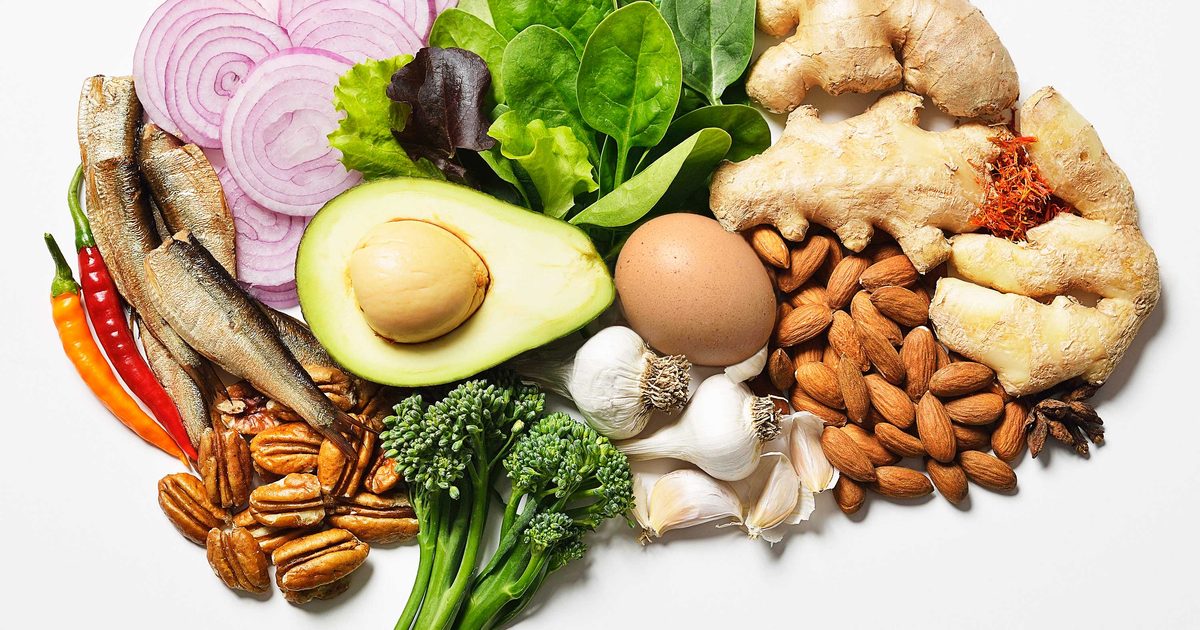
With over 15 years experience registered nutritionist Jo Williams has a special interest in public health and community cooking projects. She believes that a healthy brain starts on the plate, which is why she enjoys eating nutrient-dense recipes, like our orange & blueberry bircher and our Basque-style salmon stew.
A nutritionist’s thoughts on brain-boosting foods…
Jo explains, “Whether you want to boost memory or focus, making the right changes to your diet and sticking to them can help. That said, suggestions that there is one single ‘superfood’, such as blueberries, that will boost your IQ or a supplement that will solve your memory problems, are myths. There’s no single ‘brain food’ that will protect you against age-related disorders like Alzheimer’s or dementia, but paying attention to what you eat may give you the best chance of optimising your brain health and maintaining a positive outlook.
“Eating a varied, balanced diet may also help support your energy levels – this is important because the brain uses 20 per cent of your calorie intake – it may also improve your mood and your concentration and focus, whether that’s at school or at work.”
Discover how these everyday foods may help:
- Optimise brain function and sharpen performance
- Improve concentration and focus
- Boost memory
- Support healthy brain ageing
- Reduce anxiety and stress
- Enhance mood
Discover more about the importance of an anti-inflammatory diet, why Mediterranean diets are so healthy and see our top mood-boosting recipes.
Ways to eat more brain-boosting foods: 15 foods to support brain health
If you want to keep your memory, concentration and focus sharp, it’s best to eat a varied, balanced diet that includes brain-supportive foods.
Foods for memory and brain structure
1. Oily fish
May promote healthy brain structure and function
Essential fatty acids are just that – essential – because they can’t be made by the body and we have to get them from the food we eat. The type in found in oily fish are important for a healthy brain, as well as for your heart.
Although in early stages, some studies suggest that eating enough good fats may help with depression. Plus, low levels of a specific type of fatty acid – docosahexaenoic acid (DHA) – may be linked to increased risk of dementia, Alzheimer’s and memory loss.
Oily fish, such as salmon, trout, mackerel and sardines, provide these fats in a form that the body can easily use. If you don’t eat fish, don’t worry: you can still get essential fatty acids from plant sources, such as flaxseeds, soya beans, pumpkin seeds, walnuts and their oils. However, our body has to convert these fats in order to use them, and that process is far from efficient.
If you’re vegetarian or vegan, try adding hemp and chia seeds to your diet or take a supplement derived from micro-algae. Vegetarian or vegan mums-to-be or those who are breastfeeding should consider a supplement, because these fats play an important role in the development of your baby.
If you are considering taking a supplement, speak to your GP first and check out our review of the best omega-3 supplements.
2. Eggs
May support healthy brain ageing and support memory
Homocysteine is an amino acid that elevates as we age, increasing our risk of stroke and Alzheimer’s. Certain B vitamins – B6, B12 and folic acid – help break down homocysteine to create other chemicals your body needs.
Interestingly, a study of elderly people with mild cognitive impairment found that after two years of intervention with high doses of B6, B12 and folic acid, they experienced significantly less brain shrinkage.
Other B vitamins, including B1 and B3, are important for brain function. So is choline, which you can get from eating egg yolks. It’s especially important during pregnancy and breastfeeding when it’s needed for your baby’s brain development. Choline is also a key component of the memory-boosting brain chemical acetylcholine.
To get these nutrients, eat plenty of eggs, chicken, fish, leafy greens and dairy. If you’re vegan, look to fortified plant milks and breakfast cereals, or consider a supplement. Other useful vegan sources of B vitamins include avocado, nuts and seeds.
3. Nuts
May help protect healthy brain function
One study showed that vitamin E may help prevent cognitive decline, including memory loss. Eating more nuts is a good way to get enough vitamin E, along with leafy green vegetables, olives, seeds, eggs and wholegrains.
4. Pumpkin seeds
May enhance memory and boost mood
Rich in zinc, a mineral needed for enhancing memory and thinking skills, pumpkin seeds are also a useful source of stress-busting magnesium, B vitamins and tryptophan, the precursor to the ‘good mood’ chemical serotonin.
Other useful food sources include beef, oysters, chickpeas and nuts, including cashews and almonds.
Foods for focus and energy
5. Wholegrains
May help improve concentration and focus
Like everything else in the body, the brain can’t work without sufficient fuel and its preferred form is glucose. To maintain concentration and focus, you need to ensure a steady supply of glucose from carbohydrates. The best way to do this is eating more wholegrains, as these have a low glycemic index (GI). This means they release a steady supply of energy, helping keep you mentally alert throughout the day.
Not eating enough carbohydrates or opting for fast-releasing ones like processed (white) grains and sugary foods may leave you feeling irritable or experiencing brain fog.
Choose wholegrain breads, rice and pasta instead of the white, refined versions.
6. Green tea
May protect the brain from the effects of ageing
Plant compounds called polyphenols, found in green tea, may help slow the effects of ageing on the brain. Moderate consumption of around two to three cups per day is also associated with a significant reduction in dementia risk.
7. Coffee
May improve mental agility
Coffee may help maintain alertness and energy levels, thanks to its caffeine content. When coffee is consumed, it’s absorbed into the bloodstream and travels to the brain where it ‘fires up’ certain neurons, which may improve memory, mood, energy and cognitive function. It does this by blocking the receptors of a brain chemical called adenosine, which increases other brain chemicals, including dopamine.
Foods for brain protection and healthy ageing
8. Blueberries
May boost short-term memory
One study suggested that consuming blueberries may help improve or delay short-term memory loss.
A similar effect may be achieved by eating other dark red and purple fruits and vegetables, such as blackberries and red cabbage. These contain protective plant compounds called anthocyanins, which have anti-inflammatory benefits. This is important, as inflammation is at the root of a number of chronic diseases, including heart disease, diabetes, depression and Alzheimer’s.
9. Tomatoes
May delay age-related cognitive impairment
Some studies suggest that lycopene, a carotenoid found in tomatoes, has antioxidant benefits that appear to have therapeutic effects for the brain and help protect against cognitive decline. However, more research is needed into the benefits of tomatoes for the brain.
Enjoy tomatoes with a little olive oil to optimise your body’s absorption of the fat-soluble lycopene. Other food sources include papaya, watermelon and pink grapefruit.
10. Blackcurrants
May reduce anxiety and stress
You might already know that getting enough vitamin C has been linked to everything from boosting your mental and physical energy, to reducing feelings of anxiety and stress. Studies have also shown that deficiency in this powerful antioxidant may lead to dementia and Alzheimer’s.
One of the best food sources is blackcurrants, but you can also get vitamin C from red peppers and broccoli, as well as citrus fruits such as oranges.
11. Broccoli
May improve brainpower
Broccoli is a useful source of vitamin K, which can help boost cognitive function. Research also suggests that it can slow the breakdown of acetylcholine, a brain chemical we need to keep memories sharp.
Other cruciferous veg that support the brain include cauliflower, kale, cabbage and brussels sprouts.
Foods for mood and brain alertness
12. Sage
May boost memory and concentration
Sage is believed to improve memory and concentration. Most studies focus on the oil taken from the herb, but it may still be worth consuming fresh sage. Add it at the end of cooking to recipes like pearl barley & sage risotto to protect the beneficial oils.
13. Rosemary
May sharpen memory
Memory loss is associated with ageing and damage caused by a natural process called oxidation. Plant compounds in rosemary have antioxidant properties and are believed to help combat this damage and protect against memory loss, although more studies are needed to look at how it effects humans.
14. Turmeric
May lift mood
The active compound in turmeric, curcumin, may help lift our mood and alleviate symptoms of depression. One study examining its antidepressive effects found that curcumin was as effective as the drug fluoxetene.
There’s also a suggestion that curcumin may boost feel-good brain chemicals, including the neurotransmitters serotonin and dopamine.
15. Dark chocolate
May improve brain function
Enjoying moderate amounts of high-cocoa dark chocolate on a regular basis may improve blood flow to the brain. Studies also show that plant compounds in chocolate called flavanols offer some protective benefits, especially for the elderly.
What else can I do to support my brain?
There are a few things you can do to benefit your brain and help delay cognitive decline:
1. Keep active
Don’t forget that as well as a healthy diet, physical activity helps keep your brain sharp. Research suggests that regular exercise improves cognitive function, slows down the mental ageing process and helps us process information more effectively. Even walking has plenty of benefits.
2. Quit smoking
We all know that quitting smoking is one of the best things you can do for your health, including your brain. If you’re struggling to kick the habit, consider creating a personal ‘quit plan’ to help manage cravings.
3. Get adequate sleep
Getting a good night’s sleep is important to keep us energised throughout the day, but also for our brain to work well. A good night’s sleep improves our brain’s ability to adapt – it helps us learn better, process memories, develop healthy brains and clear our brain’s waste products.
4. Balanced nutrition
Making sure you follow a nourishing, well-rounded diet gives your brain the best chance of avoiding disease. If you suspect your diet may be unbalanced for whatever reason – for example, if you’re vegan – you may want to consider a multivitamin and an omega-3 supplement to help make up some of the essentials.
If you’re considering taking a supplement, it’s best to discuss this with your GP or qualified healthcare professional.
A nutritionist’s view on what you can expect from eating more brain-boosting foods…
- In the short term (first few weeks), you can expect better energy levels, improved focus and concentration, sharper recall and better mood stability.
- In the longer term, once you have an established brain-friendly diet, you’re likely to benefit from a more supported brain and nervous system and a reduced risk of neurodegenerative disease as well as the potential for slower cognitive decline.
Now try:
Foods that improve memory
Eating for exams
Top 5 foods to boost your child’s brainpower
Ageing isn’t inevitable – 19 ways to keep your brain sharp
10 tips to improve your sleep hygiene
This page was reviewed on 11 March 2026 by Kerry Torrens.
Kerry Torrens BSc. (Hons) PgCert MBANT is a BANT Registered Nutritionist® with a post graduate diploma in Personalised Nutrition & Nutritional Therapy. She is a member of the British Association for Nutrition and Lifestyle Medicine (BANT) and a member of the Guild of Food Writers. Over the last 15 years she has been a contributing author to a number of nutritional and cookery publications including Good Food.
All health content on goodfood.com is provided for general information only, and should not be treated as a substitute for the medical advice of your own doctor or any other health care professional. If you have any concerns about your general health, you should contact your local health care provider. See our website terms and conditions for more information.
