

- The Mediterranean diet emphasizes produce, whole grains, beans, nuts, seafood and olive oil.
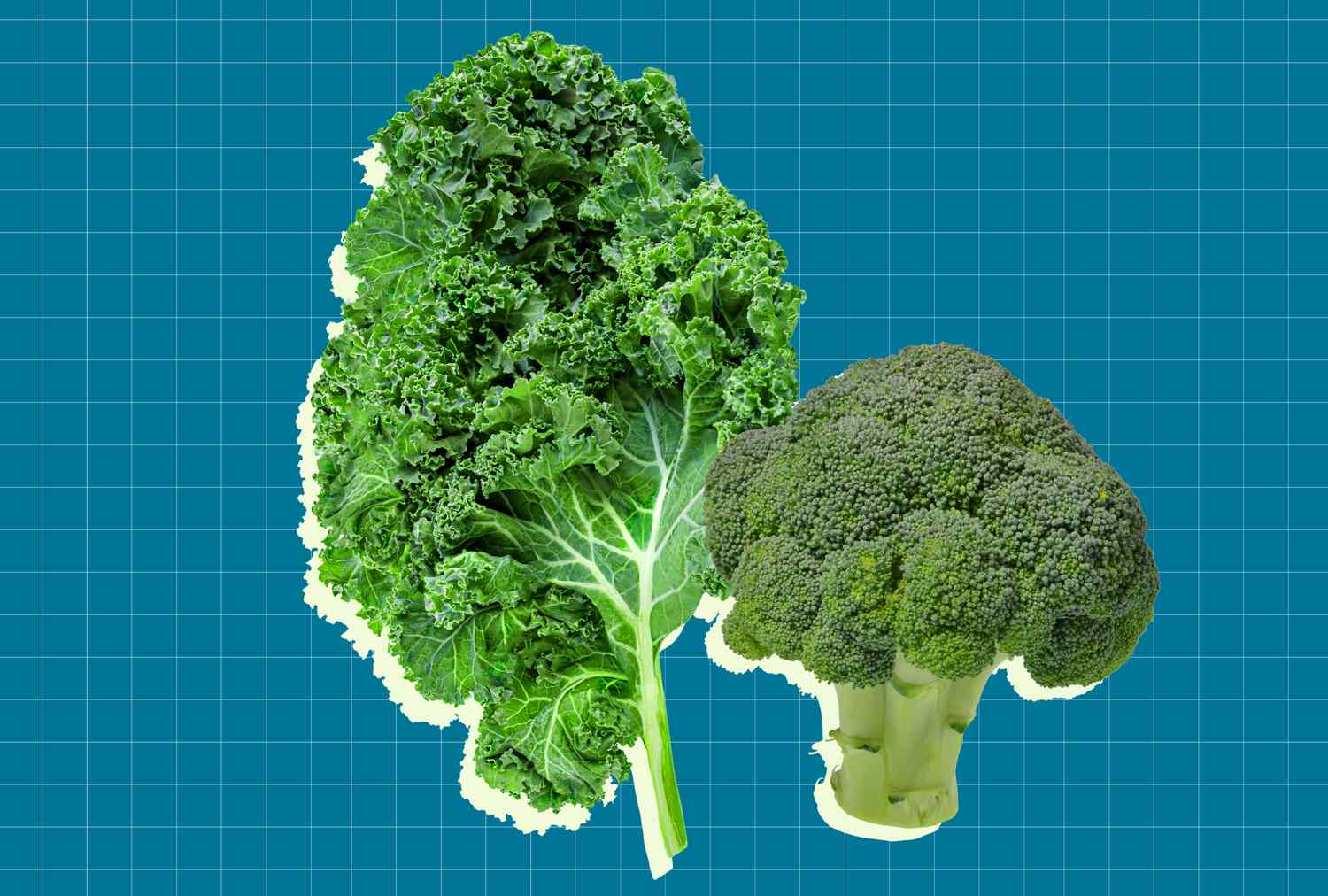
- Dietitians say Brussels sprouts, sweet potatoes, kale and broccoli are top winter Mediterranean diet veggies.
- The Mediterranean lifestyle also emphasizes home cooking, shared meals and daily movement.
While summer vegetables and herbs often steal the spotlight, winter picks are just as nutritious. These cold-weather veggies don’t just add comfort to soups and sheet-pan dinners—they also fit seamlessly into the Mediterranean diet, an eating pattern consistently linked to a lower risk of heart disease, type 2 diabetes and certain cancers, as well as increased longevity.
At its core, the Mediterranean diet emphasizes vegetables, fruits, whole grains, beans, nuts, seafood and olive oil. Seasonal winter produce makes it easy to build meals around those principles, thanks to its versatility and ability to hold up in hearty dishes. To help you make the most of the season, we asked dietitians to share their favorite Mediterranean diet–friendly winter vegetables and simple ways to use them.
1. Kale
Although kale is available year-round, it’s technically a winter crop that thrives in colder temperatures. As a dark leafy green, it fits naturally into the Mediterranean diet’s emphasis on vegetables at most meals.
Kale is especially rich in vitamins A, C and K, along with fiber and lutein. “It helps support eye health, bone strength and immune function,” says Maya Oueichek, M.B.A., RDN. She notes that lutein, a carotenoid antioxidant, helps filter blue light and has been associated with a lower risk of age-related macular degeneration and cataracts.
Because vitamins A and K are fat-soluble, pairing kale with a source of healthy fat can enhance absorption. “I love massaging raw kale with a tahini-lemon dressing, sautéing it with garlic and olive oil or stirring it into lentil-based soups and stews,” Oueichek says. Sarah Garone, NDTR, CNC, agrees, adding that including olive oil, nuts or seeds helps you get the most from its nutrients.
2. Brussels Sprouts
Brussels sprouts are an excellent source of fiber, a key nutrient in the Mediterranean diet that supports digestive health and helps reduce the risk of heart disease. Along with fiber, they’re packed with anti-inflammatory plant compounds and vitamins C and K, says Sheri Gaw, RDN, CDCES.
If you’re not a fan of Brussels sprouts, preparation can make all the difference. If you’ve only tried them boiled, try them roasted or pan-seared with olive oil, which caramelizes their outer leaves and enhances their natural sweetness. For a Mediterranean-inspired meal, roasted Brussels sprouts can also be added to a grain bowl with farro, feta and pomegranate, or try them shaved raw into a lemony salad.
3. Sweet Potatoes
This hearty root vegetable is the perfect addition to a winter Mediterranean-style meal. “Sweet potatoes are rich in all sorts of nutrients, including fiber, vitamin C, manganese and potassium,” Garone says.
“They can come in a lovely yellow or purple hue and contain carotenoids and anthocyanins, which provide antioxidant and anti-inflammatory properties,” Gaw adds.
Because of their complex carbohydrate and fiber content, sweet potatoes make a great base for a satisfying meal. Garone suggests roasting them whole, stuffing them with paprika-seasoned chickpeas and finishing with a drizzle of tahini. They also work well baked, steamed, mashed or air-fried, and pair easily with salmon or grilled chicken for a balanced winter dinner.
4. Broccoli
Broccoli is another cold-weather vegetable that fits seamlessly into a Mediterranean-style diet. As a cruciferous vegetable, broccoli delivers glucosinolates, sulfur-containing compounds that, when chopped or chewed, convert to sulforaphane—a bioactive compound studied for its antioxidant and anti-inflammatory effects.
In addition to these phytonutrients, broccoli provides vitamin C, folate and fiber. Diets rich in cruciferous vegetables like broccoli have been associated with a lower risk of heart disease and certain cancers, says Oueichek, making broccoli a smart addition to a plant-forward eating pattern.
Try simple preparation methods to preserve both flavor and nutrients. Oueichek recommends roasting broccoli with olive oil and lemon zest, enjoying it raw with hummus for a balanced snack or on top of whole-grain pasta dishes with chicken.
Other Mediterranean Diet Lifestyle Habits
The Mediterranean diet is traditionally viewed as more than an eating pattern—it’s a lifestyle rooted in cultural practices, social connection and daily habits that support long-term health. If you’re looking to embrace more of this approach, here are a few simple ways to get started:
- Share meals when possible. Eating with family or friends is a hallmark of traditional Mediterranean cultures and has been associated with healthier food choices and better weight regulation.
- Cook at home more often. When you’re the one prepping dinner, it’s easier to work in more vegetables, beans and whole grains—and stick closer to a Mediterranean-style way of eating.
- Choose seasonal, minimally processed foods. The traditional Mediterranean pattern grew out of what was fresh and available locally. Building meals around in-season produce and simple ingredients keeps that spirit intact.
- Stay physically active. Daily movement—whether walking, gardening or other routine activity—is another habit considered part of the Mediterranean lifestyle. Research shows that regular physical activity is essential for supporting physical and mental well-being.
Meal Plan to Try
30-Day Mediterranean Diet Meal Plan, Created by a Dietitian
Our Expert Take
Following a Mediterranean diet in the winter is simple when you build meals around seasonal vegetables like kale, Brussels sprouts, sweet potatoes and broccoli. Pair them with whole grains, beans, seafood and a drizzle of olive oil for satisfying, balanced meals.
The Mediterranean lifestyle also extends beyond the plate. Cooking at home, sharing meals, choosing seasonal, minimally processed foods and prioritizing movement and rest are all part of the pattern that supports long-term health.
