

- Fruits provide essential nutrients such as fiber, vitamin C, and potassium to support immune and heart health.
- Dietitians recommend trying grapefruit, pears, persimmons, Sumo Oranges, and pomegranate.
- Proper storage and simple prep tips can help you enjoy winter fruits longer and reduce food waste.
There is much to love about fruit; it is sweet, convenient, and packed with essential nutrients to support your well-being through the colder months. They provide fiber, potassium, and vitamin C—nutrients crucial for supporting healthy blood pressure, a strong immune system, and glowing skin. Ideally, you should aim to eat 1.5 to 2.5 cups of fruit per day, but that goal can be tough to reach if your favorite produce isn’t in season. “Even if these fruits are not grown in your area, they are still in peak season in other parts of the country during the winter. So, the ones you see at your store will be fresh and flavorful,” says Lizzie Streit, M.S., RDN.
Here are five winter fruits registered dietitians recommend for both flavor and nutrition, plus expert tips for how you can enjoy and store them.
Grapefruit
Grapefruit, which are in peak season during the winter months, are juicy, tart, and full of vitamin C. A single grapefruit provides most adults with all the vitamin C they need in a day, says Streit. She recommends slicing the grapefruit in half crosswise and cutting out the sections as an afternoon snack. You can also take a half grapefruit, sprinkle the fruit with brown sugar, and brown under the broiler for a dessert like our Brown Sugar Broiled Grapefruit.
Pears
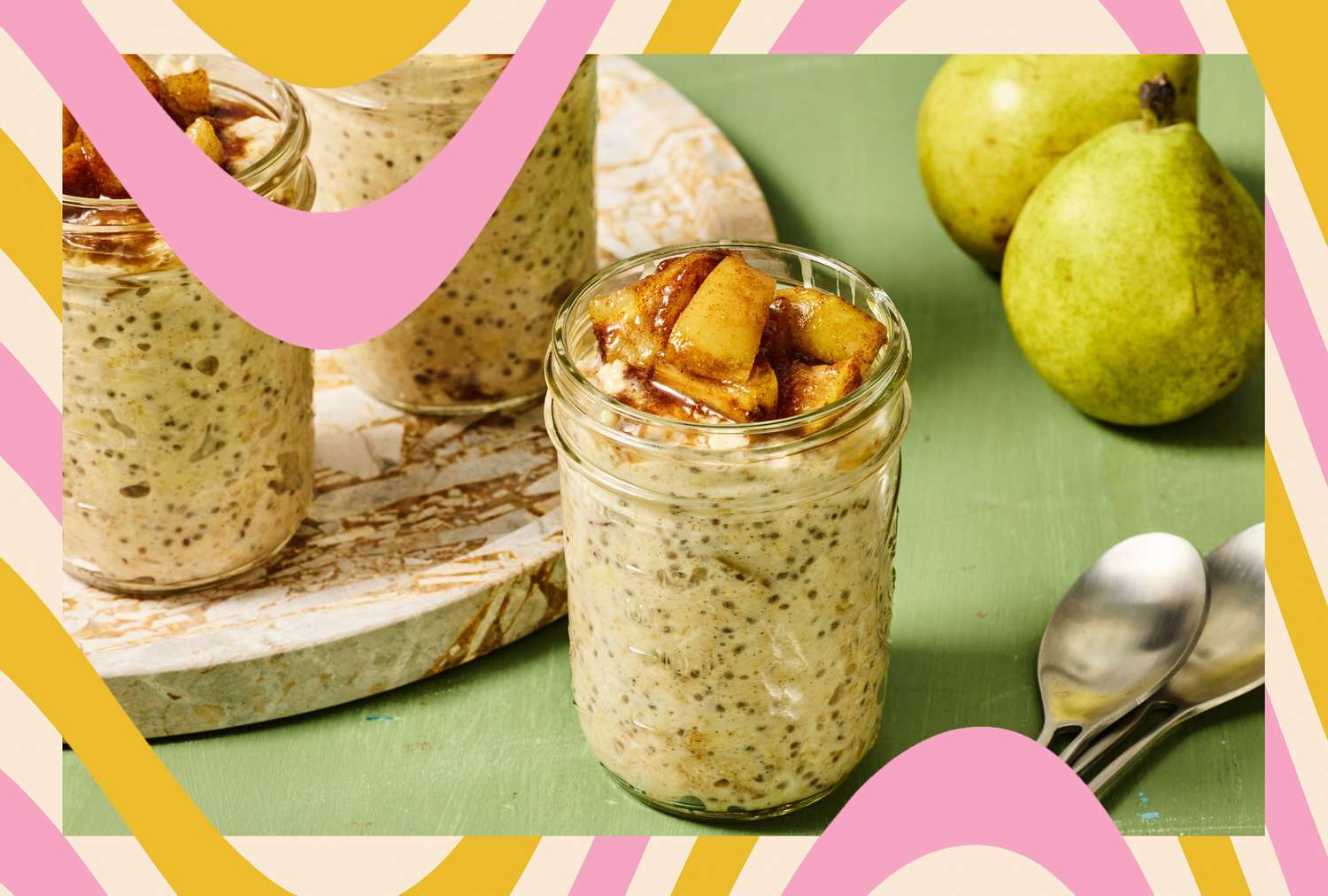
Around this time of year, your grocery store might have pears in a rainbow of colors and a variety of shapes, ranging from stout Bartletts to long Boscs, and Anjous that come in shades of green and red. Pears are standouts for their fiber content, with about six grams of fiber per fruit. “The vast majority of Americans do not meet the recommended intake for dietary fiber, a critical nutrient with digestive benefits and possible protective effects against heart disease and certain cancers,” notes Streit. The wonderful thing about pears is that they taste great in both sweet and savory recipes, like our Cinnamon-Pear Overnight Oats or a Pear, Gorgonzola & Walnut Salad.
Persimmons
With their vibrant color and sweet flavor, persimmons come in two varieties: Fuyu (round) or Hachiya (acorn-shaped). “Like pears, persimmons are rich in fiber, vitamins (especially vitamins A and C), minerals, and beneficial plant compounds,” says Laura Geraty, M.S., RD, a registered dietitian based in New York City. That said, they can be intimidating to use if you are not familiar with them. Geraty advises eating Fuyus while they are still crisp like apples, sliced over toast or salad, and let Hachiyas ripen until soft to scoop or add to baked goods. For a winter salad, try our Bitter Greens Salad with Persimmons.
Sumo Oranges
Sumo Oranges, or Sumo Citrus, are sweet, seedless and easy to peel. You can distinguish them from other orange varieties by their topknot, which gives their unique shape. Each fruit is rich in potassium and delivers 160% of your daily vitamin C—key for healthy immune function. “Sumo Citrus is only available from January to April, so you will want to get it while you can,” says Geraty. She also suggests snacking on Sumos as is, adding them to a yogurt bowl, arugula salad, or blending into a smoothie with frozen banana, yogurt, and milk.
Pomegranate
Pomegranate seeds (arils) offer a pop of flavor and about 3.5 grams of fiber per half cup. They are also a rich source of phytonutrients called Ellagitannins, known for their antioxidant and anti-inflammatory properties. Geraty suggests that “If you have never tried a pomegranate before, I recommend the convenience and ease of pre-seeded arils. Enjoy them atop yogurt or in a grain salad with roasted squash and toasted almonds.” If you are looking to incorporate fruits into your cozy winter dishes, try our Roasted Butternut Squash Salad, which is studded with pomegranate seeds.
Tips for Storing Winter Fruits
Storing produce in the proper environment helps prevent it from spoiling quickly and maximizes its window of ripeness.
- Counter top: Persimmons should ripen on the countertop, keeping Hachiyas upside-down until soft.
- Countertop, then refrigerator: Store citrus fruits (like Sumo Oranges) on the counter away from sunlight, but move to the fridge for longer storage. Ripe pears should also be refrigerated.
- Refrigerator: Always refrigerate cut or peeled produce, including ready-to-eat items like pomegranate arils.
- Keep some fruits apart: Pears produce ethylene, which can speed up the ripening process of other fruits, causing them to rot prematurely. Store them separately from citrus, pomegranates, and persimmons to slow spoilage.
Our Expert Take
Winter provides a wealth of nutritionally dense fruit, including grapefruit, pears, persimmons, Sumo Oranges, and pomegranates. These fruits are a rich source of fiber, vitamin C, potassium, and protective plant compounds. Incorporate fruits into favorite sweet and savory dishes, aiming for about 1.5 to 2.5 cups per day to support your health throughout the winter.
