

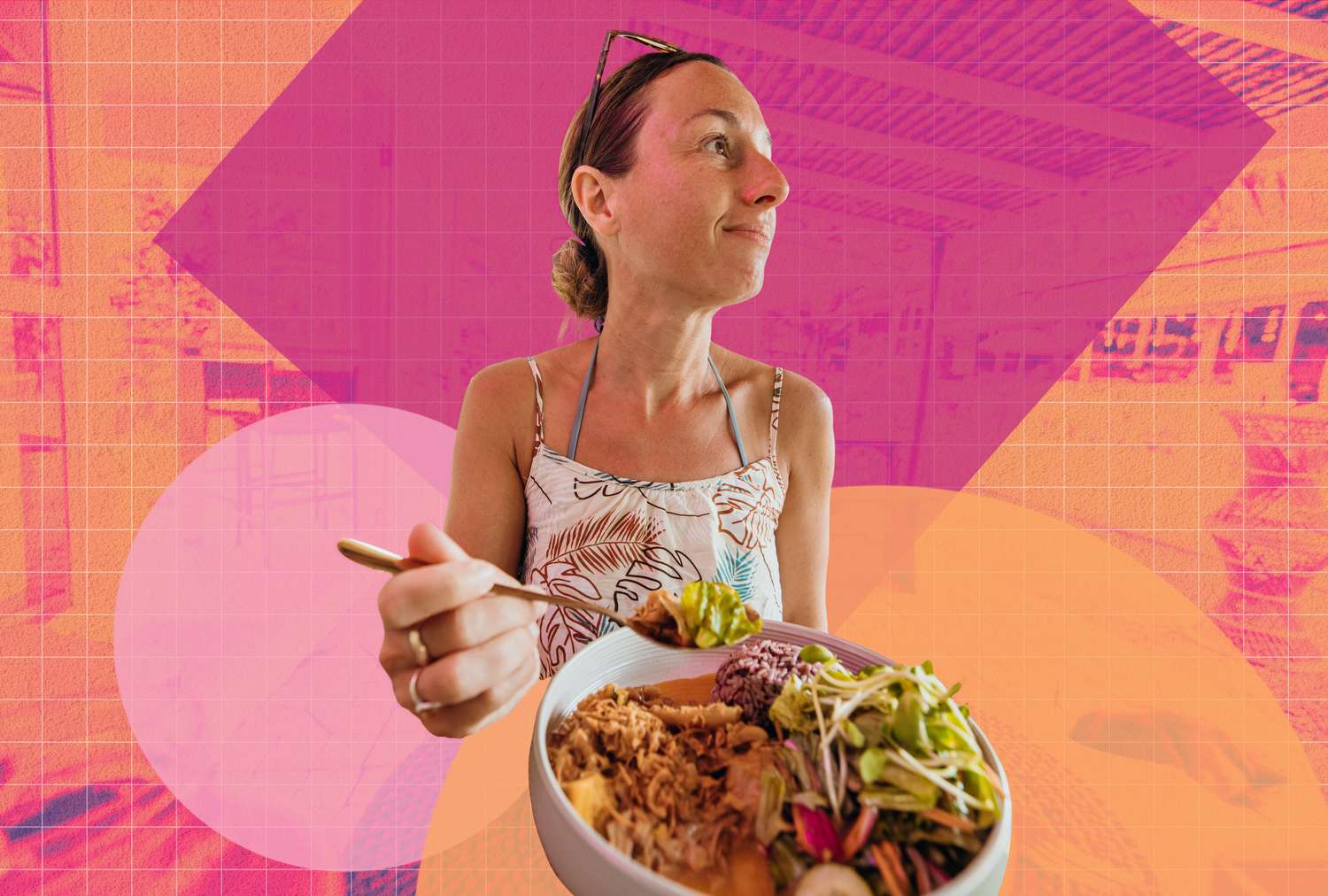
- Dietitians recommend proteins like chicken, salmon, dairy, eggs and lentils while on a GLP-1 medication.
- Spread protein across meals to preserve muscle, support energy and help meet your daily needs.
- Pair protein with fiber and healthy fats for balanced, sustainable weight-loss meals.
If you’re taking a GLP-1 medication, you may notice you’re getting full faster, eating less or even forgetting to eat altogether. While this appetite shift can support weight loss, it also makes choosing the right foods—especially protein—more important than ever.
GLP-1 medications work by slowing stomach emptying, reducing appetite, increasing feelings of fullness, improving blood sugar control and helping regulate hunger signals in the brain, explains Lisa Young, Ph.D., RDN. Together, these effects lead to reduced food intake and weight loss.
Because GLP-1 medications can significantly decrease how much you eat, some people may unintentionally fall short on calories and key nutrients. Over time, this can contribute to low energy intake, nutrient deficiencies, fatigue, weakness and muscle loss.
Protein plays a particularly important role in healthy weight loss and overall health. “Protein helps preserve lean muscle mass during weight loss, supports metabolism and strength, increases satiety and plays a key role in immune function, healing and hormone production,” says Young. Without enough protein, you may lose muscle in addition to fat, which can negatively impact your metabolism, physical function and long-term health.
Eating balanced, high-protein meals throughout the day can help you meet your protein needs and support healthy, sustainable weight loss, adds Summer Kessel, RD, CSOWM, LDN.
But which proteins are best while taking a GLP-1 medication? We spoke with five dietitians to share their top high-protein foods to focus on while using a GLP-1.
1. Chicken Breast
Chicken breast is a high-quality, lean protein, meaning it’s rich in protein while relatively low in fat. With 32 grams of protein per 3.5-ounce serving, chicken breast tops the list as one of the best protein choices if you’re taking a GLP-1 medication. It’s a quick, versatile option that can help you meet your protein needs, preserve muscle mass and support feelings of fullness.
High-protein foods also have a greater thermic effect of food, meaning your body uses more energy to digest and metabolize them. This increased energy expenditure may further support weight loss.
And don’t worry, you don’t have to stick to plain chicken and broccoli to see results. Keep meals interesting with flavorful options like Lemon Pepper Chicken or a comforting Chicken Florentine Casserole.
2. Salmon
A 3.5-ounce serving of salmon provides about 22 grams of protein along with heart-healthy omega-3 fats, making it a smart choice for supporting both weight loss and overall health while taking a GLP-1 medication.
Research supports its cardiovascular benefits, too. One large cohort study found a 27% lower 10-year risk of heart disease among people with high seafood intake—defined as two or more servings of fish per week—compared with those who consumed little seafood. Most of this protective effect was attributed to the omega-3 fatty acids found in fish.
Aim for two to three servings of salmon or other fatty fish per week. For an easy, GLP-1-friendly lunch, try salmon salad with a pita or on toast, mixed with cooked grains or enjoyed as a dip with whole-grain crackers and vegetables.
3. Cottage Cheese
Cottage cheese is everywhere—and for good reason. “Cottage cheese is a high-protein, low-calorie food,” explains Katie Lounsberry, RD, LDN. One cup of low-fat cottage cheese delivers about 24 grams of protein for just 180 calories.
Some varieties of cottage cheese are fortified with vitamin D, an essential nutrient for hormone production, energy and bone health. This is especially important for people taking GLP-1 medications: one recent study examining nutrient intake among GLP-1 users found that 99% did not meet the recommended daily allowance for vitamin D.
Fortunately, most cottage cheese varieties contain small amounts of fat, which can help improve vitamin D absorption, notes Kara Craddock, M.S., RDN. You can also pair it with another fat source, such as nuts or seeds, to further support absorption.
New to cottage cheese? Start with a simple Cottage Cheese Berry Bowl or use it as a high-protein topping for salads.
4. Strained (Greek-Style) Yogurt
“Greek yogurt is high-protein, easy to digest and gentle on the stomach, especially helpful for people experiencing nausea or early fullness,” explains Erin Jowett, M.S., RD, LDN. A 1-cup serving of plain, low-fat strained (Greek-style) yogurt boasts an impressive 25 grams of protein for only 164 calories.
Beyond protein, strained (Greek-style) yogurt is also an excellent source of calcium, supplying roughly 270 milligrams per 1-cup serving. Adequate calcium intake is especially important during weight loss, as weight loss increases bone turnover and may reduce bone mineral density over time.
Strained (Greek-style) yogurt is easy to enjoy on its own as a meal or snack, or to incorporate into recipes, suggests Lounsberry. Use it to add protein to dressings, dips, sauces or smoothies and help meet your daily nutrition goals.
5. Eggs
Nearly all the experts we spoke with recommended eggs—and rightfully so. “Eggs are a compact, complete protein source with excellent bioavailability,” explains Jowett. Two large eggs provide about 12 grams of high-quality protein.
“They’re easy to prepare, well-tolerated and provide essential nutrients like choline, which supports liver and metabolic health during weight loss,” she adds. Choline plays a key role in liver function by helping prevent fat accumulation and supporting transport and removal of excess cholesterol and triglycerides.
Enjoy your eggs sunny-side up or incorporate them into delicious recipes like Sun-Dried Tomato Egg Bites and Breakfast Stuffed Peppers.
6. Lentils
For a plant-based protein option, lentils are an excellent choice. One cup of cooked lentils provides about 18 grams of protein and an impressive 16 grams of fiber. Fiber supports the body’s natural production of glucagon-like peptide-1 (GLP-1), which helps promote fullness and satiety.
Beyond appetite control, fiber is also excellent for gut and metabolic health, says Craddock. Fiber supports gut health by helping move food through the digestive tract and feeding beneficial gut bacteria. It also slows digestion and enhances insulin sensitivity, contributing to better blood sugar control.
Lentils are easy to prepare and versatile in the kitchen. Try incorporating them into recipes like Lentil Burgers and a cozy Instant Pot Lentil Soup.
7. Protein Shakes or Ready-to-Drink Protein Beverages
Liquids can be easier to tolerate, especially when appetite is low or you don’t feel your best. While protein shakes shouldn’t be your primary source of protein, they can be a practical tool to help meet daily protein needs. Protein shakes may be especially helpful during the early weeks of GLP-1 use or shortly after an injection, notes Jowett.
That said, supplementation isn’t necessary for everyone. Kessel emphasizes that people taking GLP-1 medications do not need protein supplements if they’re able to meet their needs through food alone. “Protein shakes serve a purpose for convenience, taste preference, schedule constraints or if you’re unable to eat enough protein from solid food sources.”
When choosing a ready-to-drink protein beverage, look for options that provide 20 to 30 grams of protein per serving. If finishing a full shake at once feels uncomfortable, try splitting it into two smaller servings to improve tolerance.
Other Tips When Taking a GLP-1 Medication
- See a Registered Dietitian. Knowing what foods to prioritize and how to prevent under-fueling or nutrient deficiencies while taking a GLP-1 medication can be challenging. Lounsberry stresses the importance of working with a registered dietitian. “A dietitian can help you get proper nutrition while still losing weight, which will lead to better outcomes in the end,” she explains.
- Layer Your Proteins. Jowett recommends “protein layering,” or topping protein-rich foods like strained (Greek-style) yogurt with other protein sources, such as pumpkin seeds. This boosts protein and micronutrients without adding much volume, she explains.
- Eat Protein First. Start meals with protein before you feel full to help ensure you meet your protein needs, especially when appetite is reduced.
- Don’t Rely on Hunger Cues. While listening to hunger cues is typically helpful, GLP-1 medications can blunt appetite signals. “Having a bit of structure matters when appetite is muted,” says Jowett. Rather than waiting to feel hungry, aim to eat on a regular schedule to meet your nutritional needs.
- Don’t Skimp on Carbohydrates. Carbohydrates are essential for energy, performance and overall nutrition—even during weight loss. “Carbohydrates help your body use the protein you eat efficiently, have the energy to train harder in the gym and taste great,” says Kessel.
- Prioritize Strength Training. Along with adequate protein, strength training is critical for preserving muscle mass, says Young. Aim for at least two strength training sessions per week.
Our Expert Take
Focusing on small, protein-rich meals and snacks throughout the day can help preserve muscle, support energy and make weight loss feel more sustainable. Because appetite is often reduced with GLP-1 medications, prioritizing protein early in meals and spreading intake across eating occasions can help you meet your needs without feeling overly full.
While protein plays a key role during GLP-1-assisted weight loss, it’s only one part of a well-rounded nutrition plan. Building simple meals that combine protein with fiber-rich carbohydrates and healthy fats helps nourish your body, support long-term health and promote sustainable weight loss.
