

I’d be lying if I said I hadn’t been influenced by a social media ad to buy a £45 green powder that promised to have me jumping out of bed like the Duracell bunny every morning. And I’d also be lying if I didn’t admit to dropping a few hundred pounds on a red-light LED mask claiming to boost collagen and transform my skin.
If the algorithm has ever convinced you that the secret to feeling great lies in a supplement, cold plunge or ‘biohacking’ yourself in midlife, you’re not alone. Social media has turned wellness into a 24/7 pursuit, part self-care, part status symbol where ‘optimising’ yourself is both a hobby and a competition.
Mental health therapist Shelly Dar says our need to ‘optimise’ often stems from something deeper than wanting to feel good. “We’re living with unprecedented access to health information, which can paradoxically leave us feeling anxious about whether we’re doing enough. This drive to optimise often comes from a deeper need for self-worth,” she explains. “When wellness becomes conflated with mortal virtue, drinking green powders means you’re good, not participating can feel like failing at self-care.”
Next, discover 8 diets nutritionists say you should never follow, we asked 7 experts what they think of weight loss jabs and when did carbs become the enemy?
What are common health myths?
The more we scroll, the more mixed messages we see. “Social media creates a constant highlight reel of other people’s wellness routines,” says Dar. “We see influencers glowing after their ice plunge or cacao ritual and our brain tells us ‘they have something I lack.’ The wellness industry has capitalised on this brilliantly by making these trends feel both accessible and necessary.”
Dar adds that myths thrive because they give us a sense of control. “These practices can provide structure, community and the feeling that you’re actively caring for yourself. The psychological benefit is real and shouldn’t be dismissed, but the challenge is when fads become compulsive, expensive or replace getting proper support for underlying issues.”
Some of the most common health myths include:
- MYTH 1: You need to detox your body regularly. As The Association of UK Dieticians puts it, “the whole idea of detox is nonsense.” After all, our liver and kidneys are our body’s built-in detox machines that no juice cleanse or tea can replace.
- MYTH 2: Carbs make you gain weight. We should all know by now that carbohydrates are an essential part of a healthy diet, and as the British Heart Foundation tells us, it’s total calorie balance that matters rather than cutting out bread or pasta.
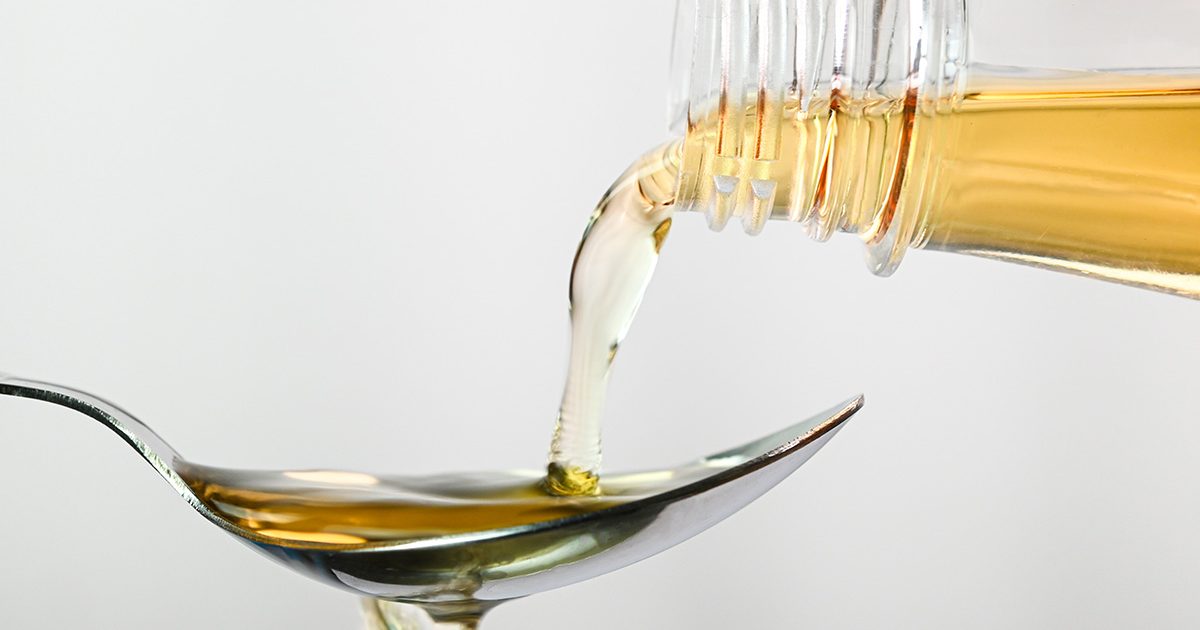
- MYTH 3: Apple cider vinegar melts belly fat. There is absolutely no evidence to support this claim. In fact, in September 2025, the British Medical Journal publishing group actually retracted an initial study that claimed apple cider vinegar could aid weight management in obesity.
- MYTH 4: You must drink three litres of water a day. While the NHS recommends that people should aim to drink six to eight cups of fluids a day, water, low-fat milk, sugar-free drinks, tea and coffee all count. Instead, most people should aim to drink enough during the day so that their pee is a clear, pale yellow colour.
- MYTH 5: 10,000 steps a day is the magic number. Did you know this figure actually came from a 1960s pedometer advert, not science? Evidence instead confirms that healthy adults typically take between 4,000 and 18,000 steps per day.
Which health trends are worth your money?
Not every viral health habit is a gimmick. Registered nutritionist Zara Hiridjee says some are genuinely evidence-based and can be integrated into everyday life.
1. Mindfulness
“Mindfulness isn’t just a buzzword,” Hiridjee explains. “It’s one of the most researched behavioural practices in health psychology and neuroscience.”
Regular mindfulness or meditation reduces activity in the brain’s fear centre and strengthens areas linked to emotional regulation. “Over time, that awareness changes how you relate to stress and cravings,” she says, which is why mindfulness-based stress-reduction and mindful-eating programmes are now used clinically.
Dar agrees the emotional benefits are hard to overstate. “These slower, reflective practices can counteract the constant pressure to do more,” she says.
2. Nervous system regulation
“The concept has become a wellness catchphrase,” says Hiridjee, “but it’s grounded in real physiology. Practices like deep breathing, yoga, gentle movement and spending time in nature help re-engage the parasympathetic system through the vagus nerve, and promotion relaxation and recovery.”
3. High-protein meals
“One of the few trends that genuinely deserves the attention it’s getting is the growing focus on high-protein meals, especially at breakfast,” says Hiridjee. “Starting your day with a good source of protein helps stabilise blood sugar levels, sustain energy and keep you fuller for longer.” Unlike older diet trends, this one adds rather than removes. “It’s a positive evolution in wellness culture, grounded in physiology and encouraging balance.
4. Gut health
“The gut’s role in digestion, immunity and mood is absolutely backed by science,” she says, though online advice often oversimplifies it. “The gut thrives on variety and consistency – fibre, plant diversity, fermented foods, enough sleep and movement.”
Which health trends are best avoided?
While some routines can improve wellbeing, others are little more than expensive illusions.
1. Detox teas and juice cleanses
“Detoxes, juice cleanses and ‘slimming’ teas are some of the most persistent wellness fads online,” Hiridjee says. “Despite the glossy branding, there’s no physiological basis for any of these claims.” These products often dehydrate you or drastically reduce calories, leading to temporary weight loss that vanishes as soon as normal eating resumes. “In reality, your body doesn’t need a reset, it needs support,” she adds.
2. ‘Fat-burning’ gummies and metabolism boosters
“The idea that certain ingredients can increase thermogenesis sounds plausible,” she says, “but in practice, the effects are minimal, inconsistent and often overstated by marketing.” Even compounds like caffeine or green tea extract have negligible impact. “The overall picture is clear: none of these ingredients produce meaningful fat loss on their own.”
3. Fearmongering food content
“Fearmongering has become one of the more damaging undercurrents of online wellness culture,” says Hiridjee. “The problem is that food is not just fuel; it’s connection, comfort and culture. You can care about eating well and nourishing your health, while still allowing for flexibility.”
Dar notes that these trends often “exploit anxiety rather than ease it.” Seeing food as “good” or “bad,” she says, “can spiral into shame and guilt.”
So, where can you get information you can trust?
With influencers pushing endless wellness products, it’s never been trickier to know what’s real. The first and most crucial step is to check the source. Look for credentials that are verifiable and relevant – like registered nutritionists, dietitians and doctors,” says Hiridjee.
Social media has made wellness more visible, but also more confusing. Some trends, like mindfulness and gut health truly support long-term wellbeing. Others, such as detox teas, are best ignored.
As Dar reminds us, “sustainable wellness is about finding what genuinely supports your life, not performing health for an audience.” If a product promises miracles, or comes with an affiliate code, it probably belongs on your For You Page, not in your shopping basket.
Further reading
15 weight-loss myths busted
What supplements should I take?
25 foods to make you feel fantastic
All health content on goodfood.com is provided for general information only, and should not be treated as a substitute for the medical advice of your own doctor or any other healthcare professional. If you have any concerns about your general health, you should contact your local healthcare provider. See our website terms and conditions for more information.
