

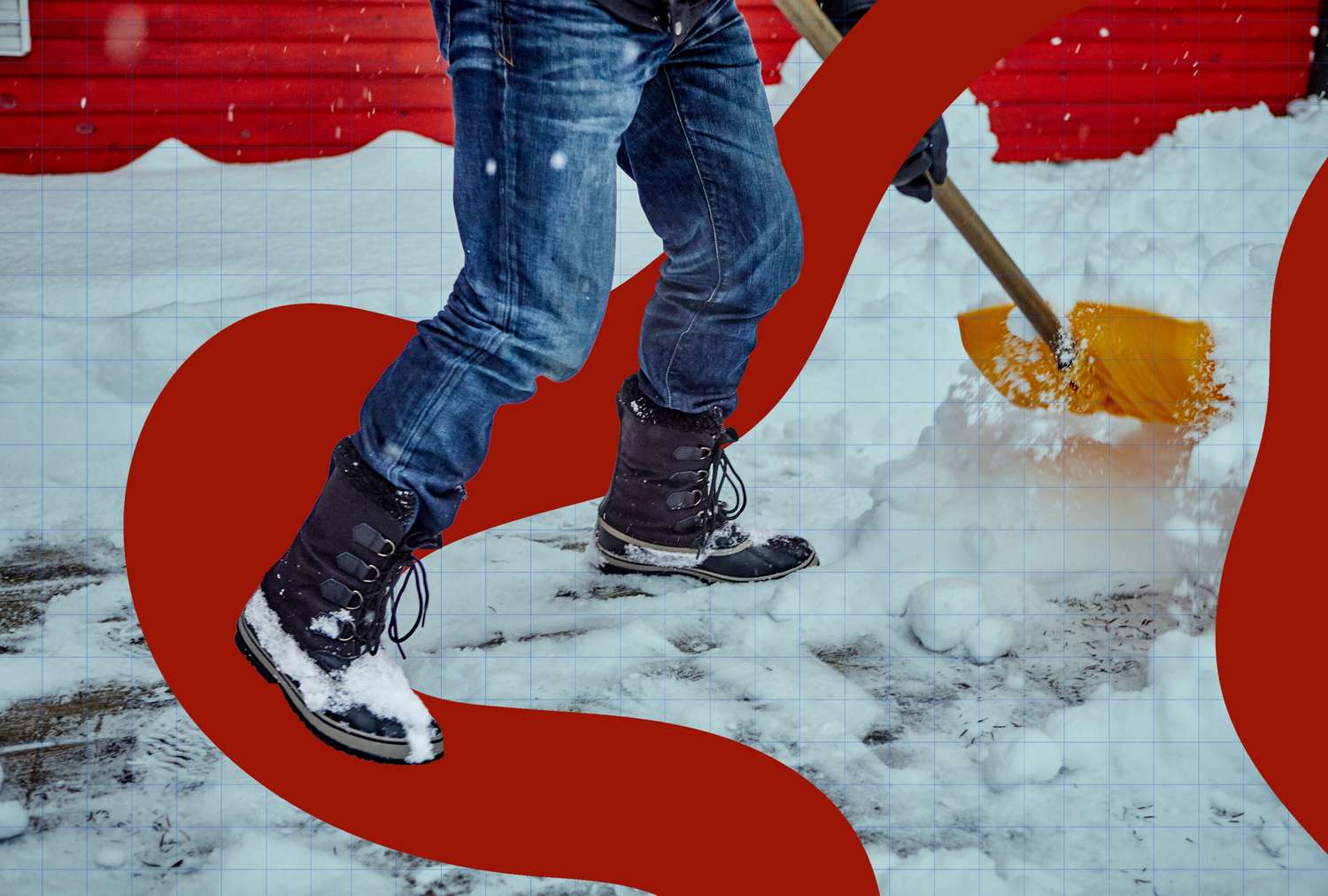
- Shoveling snow can raise heart-attack risk, especially for those with heart conditions.
- Cold weather and heavy lifting put extra strain on the heart and can raise blood pressure.
- Warm up first, pace yourself, use proper technique and take frequent breaks.
Staying active all year long, even in cold weather, is key for both physical and mental well-being. The Centers for Disease Control and Prevention recommends adults get 150 minutes of moderate to vigorous activity each week because regular movement offers big payoffs: it eases anxiety, improves sleep, helps maintain a healthy body weight, strengthens bones and can lower the risk of chronic diseases like heart disease and type 2 diabetes.
With the right clothing, winter can be a great time to get moving. From skiing and snowboarding to sledding and skating, there are fun activities for everyone. But some cold-weather chores can put unexpected strain on the body, like shoveling snow. Depending on how packed your driveway is, it can be a serious workout and especially demanding on the heart if you have a cardiac condition.
In fact, one study found heavy snowfall was associated with a 16% higher chance of being hospitalized for a heart attack and a 34% higher risk of men dying from one.
Feeling uneasy? Take a deep breath, we’ve got you. Read on to learn why shoveling snow can be risky and how to stay safe this winter.
Why Shoveling Snow Increases Heart Attack Risk
Research consistently links heavy snowstorms with a rise in heart-related emergencies, with snow shoveling being a major culprit. “Snow shoveling and strenuous outdoor activities in cold weather put stress on the heart and cardiorespiratory system,” explains Kelly Jones, M.S., RD, CSSD, LDN. “For those with hypertension, cold temperatures can increase blood pressure even more, and for individuals with coronary artery disease, exercising in the cold may reduce oxygen supply to the heart and surrounding muscles.” Together, these factors can create a perfect storm that raises heart-attack risk.
Shoveling snow can push your heart to work even harder than a maximal treadmill test, especially for people who are sedentary or have known or undiagnosed coronary artery disease.
“Many people who shovel may not be regularly active and therefore have lower fitness levels and potentially unknown cardiovascular risk factors,” shares Roxana Ehsani, M.S., RD, CSSD. “Plus, shoveling is also not an activity many people perform regularly, so even if a person is active they may struggle with the act of shoveling snow, as it requires both strength and endurance.”
Jones agrees, noting, “Most Americans are not used to lifting heavy loads, even if active in other ways. Repeatedly lifting heavy weights with mostly the upper body versus the lower body also decreases blood flow to lower extremities, further increasing blood pressure.”
Cold weather adds another layer of strain. “Exercising in the cold temperature can also cause angina (chest pain or discomfort) as blood vessels constrict in cold temperatures,” says Ehsani. In fact, research shows some people with heart conditions experience chest pain at lower exertion levels in the cold, likely due to narrowing blood vessels. Dangerous heart rhythms, plaque rupture and blood clots have also been reported.
What’s more, a recent review even found that for every 1°C (1.8°F) drop in temperature, cardiovascular-associated mortality rises by 1.6%. This makes it important to monitor both how you shovel and how well you stay warm.
Tips for Shoveling Safely
When done safely, shoveling snow can be an excellent winter form of aerobic activity. However, Jones and Ehsani recommend following these strategies before picking up the shovel:
- Get Medical Clearance. If you have a heart condition or family history of heart disease, get cleared by your health care provider before shoveling. “If you haven’t been cleared for lifting heavy weights by your health care team, it may be best to pass the job on to another family member or neighbor,” shares Jones.
- Begin with a Warm-Up. Before heading out to shovel, warm up your body first. This will vary depending on your fitness level, but Ehsani suggests loosening up with arm and leg swings, body-weight squats and light marching in place.
- Strategize. Before starting, evaluate what and where you have to shovel. Jones suggests, “If you have a driveway or walkway on a slant or slight hill, start at the top and push snow downward rather than lifting the snow to the side.”
- Go Slow and Steady. Remember, shoveling isn’t a race. Move steadily and lift small amounts of snow to reduce your risk of injury. “Try squatting down when you get the snow on the shovel and squatting back up with your legs and glute muscles as you lift the snow up. This can help distribute blood flow more evenly, reduce load on the upper body and have the added benefit of protecting your back,” says Jones.
- Take Regular Breaks. Avoid overexerting yourself by taking frequent breaks, especially if you have a large area to shovel or are getting tired.
- Hydrate. Cold weather can increase the risk of dehydration, since it may be harder to feel thirsty and sweat can be hidden under layers. Ehsani advises drinking fluids before, during and after outdoor activity in the cold.
Our Expert Take
Staying active year-round is important—even when it’s cold out. While winter opens the door to fun activities like skiing, skating and sledding, not every cold-weather task is as friendly to your heart. In particular, shoveling snow can be especially risky for those with heart issues or who aren’t used to strenuous exercise. The good news: You can make snow removal safer. Start by checking in with your health care provider to ensure you’re cleared for this level of activity, then approach the task with smart precautions and ample time on your side.
