

- Chicken is a popular source of protein, with 26 grams in 3 ounces, but can feel repetitive.
- Lots of other foods contain protein along with important nutrients.
- Try salmon, lentils, cottage cheese, pork tenderloin and more for high-protein options.
These days, protein seems to appear in more headlines and on more plates. This essential nutrient plays a powerful role in keeping your body energized and satisfied. It helps maintain muscle, supports bone health, keeps blood sugar steadier and helps you feel fuller longer. While chicken is one of the most common protein choices, weighing in at about 24 grams of protein per 3-ounce serving, it’s not the only nutritious option when it comes to putting protein on your plate.
The choices below meet that benchmark and beyond by also bringing added benefits like fiber, healthy fats, key vitamins, minerals and the kind of flavor variety that can make your meals more interesting. Below are high-protein foods, plant and animal-based, recommended by dietitians to help expand your weekly meals and help you keep protein in the starring role.
1. Salmon
3 ounces cooked = 21 grams protein
Besides providing heart-healthy omega-3 fats, salmon also gives us high-quality protein, vitamin D, selenium and B12. “Salmon is also well-known for providing brain-supportive omega-3s, which are anti-inflammatory and help maintain the cell membrane integrity of our neurons so they can function at their best,” says Maggie Moon, M.S., RD.
Salmon is quick-cooking and works well with almost any seasoning, making it one of the easiest proteins to fit into a busy week. Moon tells us, “Pan-searing salmon skin-side down helps it cook evenly even if you don’t plan on eating the skin (though crisp fish skin is a culinary treat).” You can also try roasting salmon, adding it atop salads or making Easy Salmon Cakes.
2. Strained (Greek-Style) Yogurt
¾ cup = 17 grams protein
Strained (Greek-style) yogurt earns its reputation as a nutrition superstar for good reason. Straining removes much of the liquid whey, which concentrates the protein and gives it that thick, creamy texture. Along with its impressive protein content, this yogurt provides calcium, probiotics, potassium and B vitamins.
It’s also incredibly convenient and versatile. Many people think of yogurt as being sweet, but Carolyn O’Neil, M.S., RDN, reminds us, “Don’t forget about the savory uses for Greek yogurt, such as adding it as a topping to baked potatoes instead of sour cream or blending in with a creamy salad dressing such as ranch or Caesar to up the protein and add a zip of zesty flavor.” You can also enjoy strained (Greek-style) yogurt in smoothies, as a parfait or mixed into High-Protein Strawberry & Peanut Butter Overnight Oats.
3. Lentils
½ cup cooked = 9 grams protein
Lentils are one of the most nutrient-dense and affordable protein options and unlike dried beans, they don’t require soaking and they cook in about 20 to 25 minutes. They supply plant-based protein, fiber for digestive health, iron, folate, potassium and beneficial antioxidants.
O’Neil refers to lentils as, “a humble hero, tiny in size and big in protein content with the bonus of dietary fiber.” Lentils absorb flavors beautifully, making them a natural fit for a variety of dishes, especially for plant-forward meals. They’re fantastic in salads, grain bowls, pasta sauce and in our One-Pot Lentil & Vegetable Soup with Parmesan.
4. Tofu
½ cup = 11 grams protein
Tofu is a nutrient-rich, plant-based protein made from soybeans. It contains all nine essential amino acids, making it a complete protein, something not all plant foods can claim. It also provides iron, calcium and beneficial isoflavones. Moon says, “I can’t think of a more versatile protein food—tofu can be sweet, savory, firm or silky smooth.”
It’s like a blank canvas, but doesn’t have much flavor on its own. Tofu absorbs flavors well, though. It’s an inexpensive protein and has a long shelf life when stored in the refrigerator. Try pan-frying cubes, adding silken tofu to a smoothie, or making a Tofu Scramble with Spinach for breakfast.
5. Canned Tuna
3 ounces drained = 22 grams protein
Canned tuna is one of the most practical and budget-friendly proteins to keep in your pantry. It delivers lean protein and key nutrients like selenium and B12. Ana Reisdorf, M.S., RD, highlights, “Canned tuna is shelf-stable, great for quick meals and contains omega-3 fats that support heart and brain health, which many of us don’t get enough of.”
Light tuna, often made from smaller skipjack fish, generally contains less mercury than albacore (white) tuna. That makes it a better option for eating more often, though it’s still smart to enjoy tuna as part of a varied diet. Because canned tuna doesn’t require any cooking, it’s ideal for quick lunches or protein-packed snacks. Try a High-Protein Tuna & White Bean Melt, or add tuna to pasta or salad.
6. Cottage Cheese
½ cup = 12 grams protein
Cottage cheese has soared back into popularity thanks to its versatility and high protein content. Cottage cheese is a good source of calcium and phosphorus and an excellent source of vitamin B12, and its mild flavor works with both sweet and savory dishes.
Cottage cheese blends smoothly into recipes (try our High-Protein Dip Formula) and can also stand alone as a convenient snack. Try spreading it on toast, using it in pancake batter, or in a lasagna recipe for creamy, high-protein goodness.
7. Beans (Black, Chickpeas, Pinto, Navy)
½ cup cooked = 7 grams protein
Moon notes, “No pantry is complete without canned or dried beans for affordable, sustainable and fiber-rich plant protein.” Beans provide a powerhouse of nutrients including protein along with fiber, potassium, magnesium and antioxidants. Because they’re budget-friendly and easy to store, they’re a simple way to increase plant-based protein intake.
Draining and rinsing will reduce the lower the sodium content of canned beans. Compare cans and choose beans with less sodium or “no added salt.” Try using beans in salads, burrito bowls and soups, or make these Cilantro Bean Burgers with Creamy Avocado-Lime Slaw.
8. Pork Tenderloin
3 ounces cooked = 26 grams protein
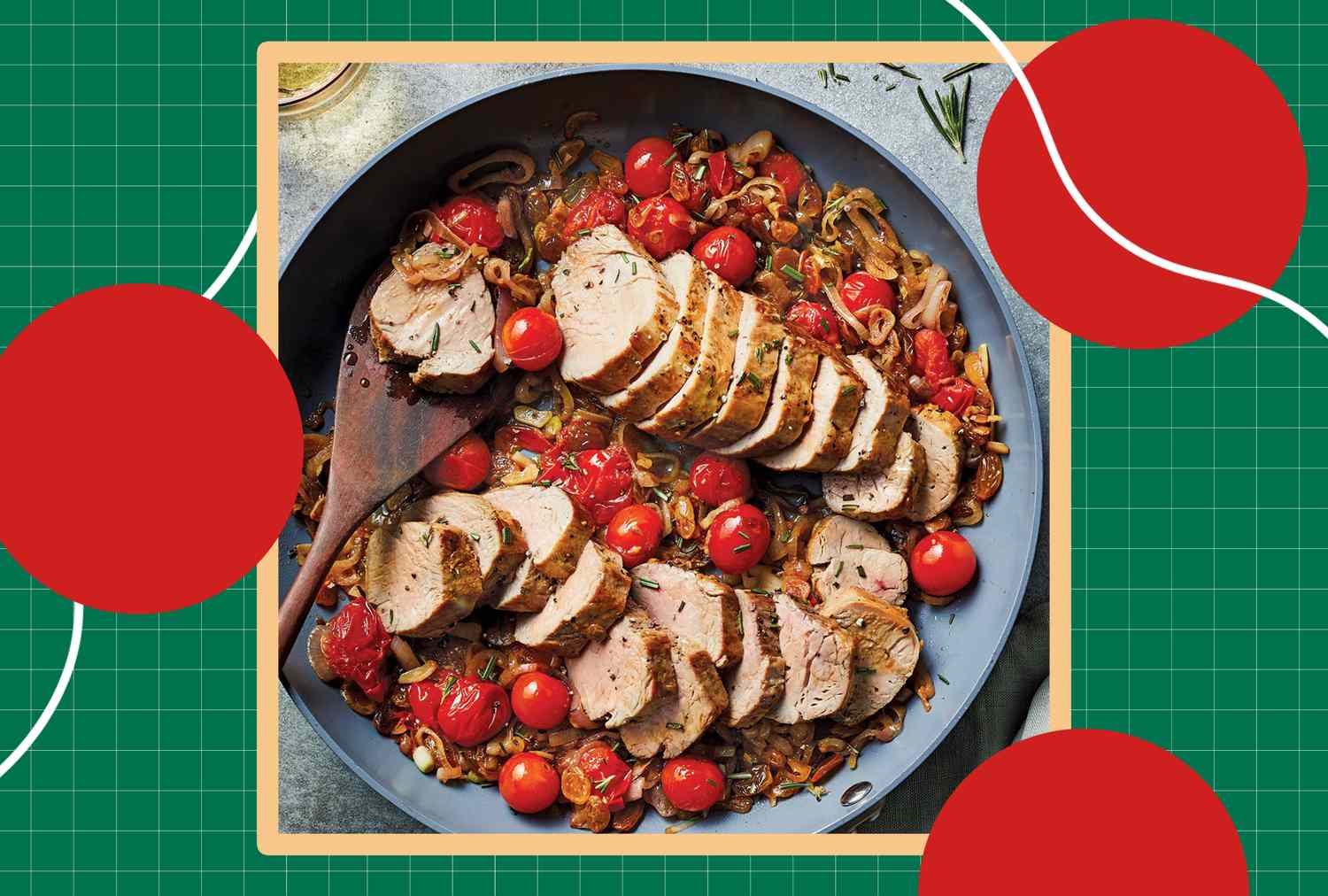
Pork tenderloin is a lean, mild-flavored cut that’s often overlooked yet nutritious. A small 3-ounce portion delivers more than 20 grams of high-quality protein. It’s also rich in B vitamins like thiamin, niacin and B12, which help support metabolism and energy production. Reisdorf says, “Most people still associate pork with high fat, but lean cuts are comparable to chicken in both protein and saturated fat.”
Pork tenderloin cooks quickly, stays tender and takes on marinades and spice rubs beautifully, making it an excellent weeknight option. Residorf agrees, “Pork is also budget-friendly compared to beef and extremely versatile; you can roast it, shred it, sauté it or add it to bowls, salads and soups without much prep.” It’s lovely in stir-fries, lettuce wraps and in these Golden Baked Pork Cutlets.
9. Turkey
3 ounces cooked = 26 grams protein
Turkey is often typecast as a once-a-year Thanksgiving centerpiece, but it deserves a place on the table all year long. Turkey breast delivers when it comes to high quality protein, making it a smart substitute for chicken in nearly any recipe. It’s also rich in nutrients like B vitamins (especially niacin and B6), selenium and zinc, all of which help support energy metabolism and immune health.
Turkey’s mild flavor makes it incredibly adaptable, just like chicken, and because it often comes already roasted, sliced or ground, it can be both budget-friendly and convenient. Whether you cook a turkey breast at home or you pick up sliced roasted turkey from the deli counter, it’s an easy way to add variety without much prep. We love it in these Ground Turkey Fajita Bowls, but it’s also lovely in salads, soups and turkey meatballs.
Our Expert Take
Getting enough protein matters, but getting it from a variety of sources matters even more. Rotating between animal and plant proteins gives your body a broader range of nutrients, from fiber to omega-3 fats, to support heart health, muscle function and overall well-being.
Although protein foods are essential, it’s still important to keep portion sizes in mind, along with the need to build balanced plates. Choosing proteins you enjoy and can prepare easily helps make meal prep simpler, which is what helps turn good intentions into everyday habits.
