

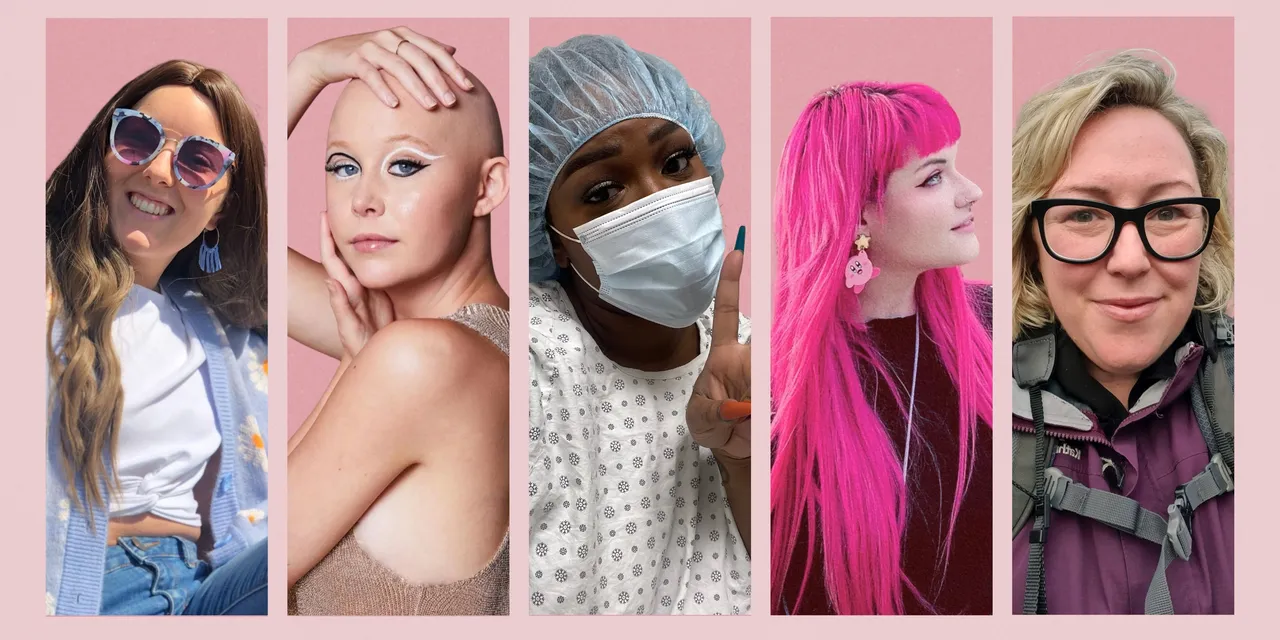
Evian, whose friends also couldn’t relate, ran into a different kind of friction. Because her menopause was the result of curative surgery for her cancer, many of her loved ones thought she should just be thankful that she didn’t have cancer anymore, she says. “A lot of people didn’t understand that two things could be true: I could be grateful for my life and also very upset about what was happening to my life, that I no longer had a uterus.”
The sexual side effects can be especially difficult to navigate at a young age.
The way the vagina can change during medical menopause from “waterfalls to the freakin’ Sahara desert,” as Evian puts it, can really throw your sex life for a loop. A drop in estrogen may cause vulvovaginal tissue to shrivel, and become dry and prone to tearing—which can make sex, particularly penetration, seriously painful. “For the first time in my life, at 30-something years old, I had to look at my husband and be like, ‘Okay, we have to go get lube,’” Evian says. “It took a toll on my marriage, and it was also just heartbreaking to not feel as sexy, or sensual, or any of those things that make it fun to be a woman.”
Pettit was less than a year into dating her now-husband at the time of her cancer treatment, when she began experiencing vaginal dryness. “We would sometimes attempt to be intimate, but I often cut it short because it was very painful,” says Pettit, who was taken off the menopause-inducing drugs after wrapping up chemo. At a certain point during treatment, as she grew wary of the pain, and her partner became afraid of hurting her, it started to not feel worth it to try, “even with lube,” she says, “and we had to be open and honest about that. She has since become a mom.
