

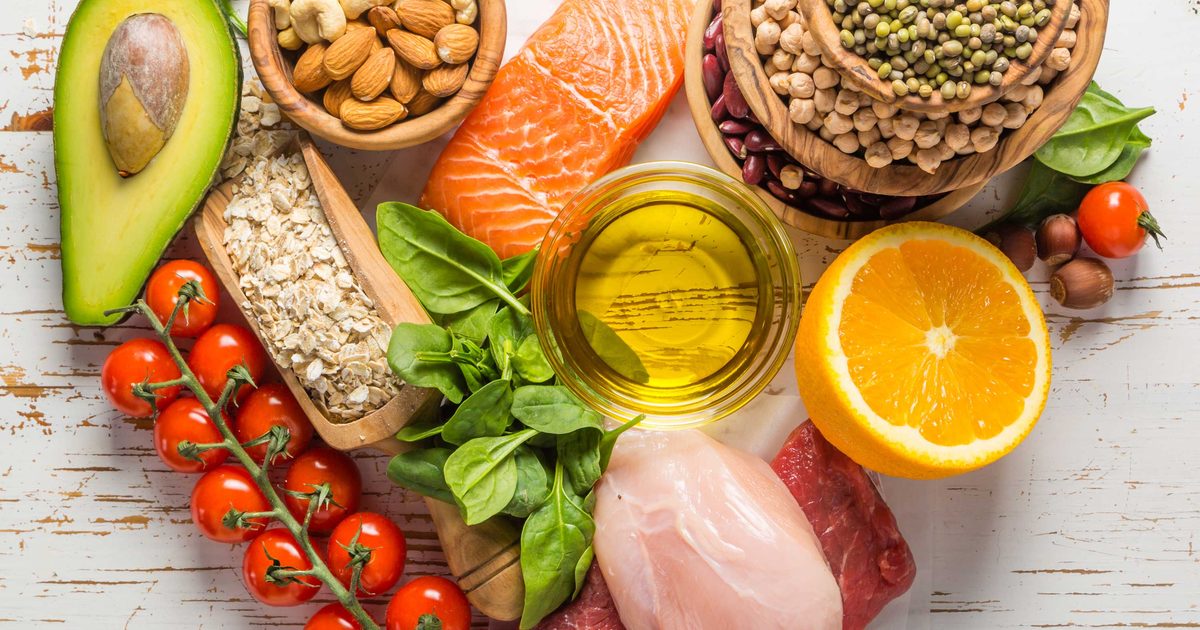
With over two decades of experience Victoria Taylor, senior dietitian at The British Heart Foundation, provides expert advice on diet and its links with heart disease. Victoria shares her top 10 tips for a heart-healthy diet and suggests we start first by increasing the number of fibre-rich, nutrient dense foods we eat.
It can be hard to know where to start with healthy eating, especially if you have a specific focus, such as heart health, we asked Victoria Taylor, senior dietitian at The British Heart Foundation to give us an easy step by step guide to better heart health.
Discover what is heart disease?, the best heart healthy foods and our heart-healthy recipe collection.
1. Fill up on fibre
Health experts recommend we eat at least 30g of fibre a day, depending on our age and gender – sadly, very few of us achieve these levels. Eating fibre-rich foods, like beans, lentils, nuts and seeds as well as wholegrains, such as oats, helps to keep us fuller for longer, supports our gut health and may help us manage weight. If you’re not used to high amounts of fibre in your diet, make increases gradually so you don’t overwhelm your gut.
Why it matters: eating a high fibre diet is associated with a significantly lower risk of heart disease, stroke and heart-related deaths.
One thing to do this week: swap white bread, pasta and rice for ‘brown’ wholegrain versions.
2. Go low with dairy
Using low-fat milk instead of whole milk will reduce your saturated fat intake, which in turn may help lower cholesterol levels. It might seem like a small change but, because milk is an everyday staple for many people, it can add up and make a big difference to your overall diet.
Why it matters: saturated fats are a primary cause of raised low density lipoprotein (LDL), this is the type of blood fat often referred to as ‘bad cholesterol’.
One thing to do this week: if you already use semi-skimmed milk but are reluctant to use skimmed, give 1% milk a go.
Find out more about cholesterol.
3. Bigger isn’t always better
Don’t always go for the biggest when it comes to choosing individually portioned foods – simply watching your portion sizes can reduce your overall calorie intake.
Why it matters: by choosing the smallest bagel at breakfast rather than the largest you could save enough calories over a year to help you lose 5½lbs (2.5kg). This matters because a healthy weight for your age, gender and build will reduce the physical work load on your heart and help manage blood pressure.
One thing to do this week: when you are cooking at home start using measuring spoons or cups to help portion out foods like pasta or rice.
4. Dear diary
It can be easy to forget the snacks and drinks we have between meals.
Why it matters: writing down what you eat over the day can remind you of the extras you’ve had, it can identify food triggers and can help you keep track of the positive aspects about your diet, like whether you’re eating enough wholegrains and getting your five-a-day. Over two or three weeks you may start to see a pattern to your eating habits and this may help you identify when and what changes are likely to be of most value to you.
One thing to do this week: track your food intake with a simple diary or journal, alternatively sign up to a nutrition app.
5. Lean isn’t always mean
Choosing lean meat and removing skin and visible fat is a great way to reduce the saturated fat content of your meals.
Why it matters: saturated fats, especially those from animal sourced foods, are a primary cause of raised low density lipoprotein (LDL) or ‘bad cholesterol’.
One thing to do this week: when shopping for cuts of meat where the fat is difficult to remove, like mince, choose the leanest version you can afford and then skim off any excess fat that rises to the top, during cooking.
6. Think Mediterranean
A Mediterranean diet is one that is rich in fruit, vegetables, fish and pulses, it focuses on unsaturated oils like olive, cold-pressed rapeseed and avocado rather than saturated fats, like butter or lard.
Why it matters: the traditional Mediterranean diet, by its very nature, includes most of the key dietary benefits that support a healthy heart. Studies suggest that by following a Med-style diet for a period of 6 months you may start to enjoy benefits in reduced inflammation and heart health.
One thing to do this week: switch the oils and spreads you use in your cooking to healthier options like olive or avocado oil.
7. High five
Eating at least five portions of fruit and vegetables each day is linked to a lower risk of heart disease. If you find it difficult to eat fresh produce, remember that there are five ways you can get your five-a-day: fresh, frozen, tinned, dried and juiced. However, don’t get carried away with the juicer – juices only count once a day, no matter much you have. The process of juicing also exposes the natural sugars in the fruit, which may be detrimental for your teeth – so, if possible, enjoy your juice with a meal to minimise damage.
Why it matters: numerous studies demonstrate that eating plenty of fruit and vegetables helps to reduce the risk of heart disease, stroke, high blood pressure and obesity. The cardiovascular benefits of eating more fruit and vegetables will be experienced once you consistently include more in your diet – so aim to stick to a minimum of five a day, every day for a period of weeks and months to start experience positive changes. That said, you’re likely to experience more immediate benefits to your digestion, energy and skin appearance, perhaps within days or weeks.
One thing to do this week: swap a regular snack, like a biscuit break, for a piece of fruit or a bowl of berries.
8. Full of beans
Include more vegetarian meals during the week. Beans are a great ingredient to extend a recipe, fill you up and a portion (80g) will count as one of your five-a-day.
Why it matters: plant-based ingredients, like beans, are good for the heart because they are high in fibre, potassium and plant-based protein, while being low in fat.
One thing to do this week: if you’re making a cottage pie, shepherd’s pie, casserole or curry, why not add some beans or lentils to it? It’ll mean you need less meat so it’s more cost-effective and you’ll lower the saturated fat content and increase the fibre contribution of the meal.
9. Halt the salt
On average in the UK, we eat more than the recommended maximum of 6g of salt a day. But that doesn’t mean your food has to be bland – you can still pack your meals with taste without adding salt.
Why it matters: cutting down on salt is important to help to avoid high blood pressure. Some people experience an improvement in blood pressure in just one week, however, there may be a genetic element to these results, making some people more salt sensitive and therefore more responsive.
One thing to do this week: Try adding herbs and spices, pepper, chilli or citrus instead.
10. Be label savvy
Cooking from scratch will help you control the amount of saturated fat and salt as well as sugar in your meals, but it’s still important to check the nutritional information of the ingredients you use. This is because the nutritional content of staples like bread and breakfast cereals, or meat products like bacon and sausages, can vary widely.
Why it matters: by checking the per 100g nutritional label, you can make a more informed choice. Learning about what exactly is in the product means you’ll know what’s on your plate, and your heart and your waistline will thank you for it.
One thing to do this week: When you’ve spent time sourcing healthy, seasonal ingredients for your dishes, it’s worth using healthier cooking methods to show them at their best. This week try grilling or baking fish and meat and have vegetables baked, boiled or steamed to go alongside.
Which tips to prioritise for heart health?
Victoria advises focusing on what your goals are – is it improving your blood pressure, lowering cholesterol or reducing your weight to support your heart? Once you’ve identified your goal, focus on the changes that will help you reach that goal, for example, if you want to lower blood pressure, watch your salt intake and eat more potassium-rich fruit and vegetables.
Make changes as easy as possible by:
- Avoiding overwhelm – adopt a ‘whole diet’ approach to keeping your heart healthy, rather than focusing on single foods.
- Save time – if you’re short on time use front-of-pack traffic light labels on packaged products to guide your shopping choices.
- Be prepared – cook from scratch, whenever you can, even if you’re cooking for one – Victoria suggests batch cooking and, if appropriate, freeze in single portions.
If you are concerned about your heart health, visit your GP and get it checked.
For more information on heart health visit bhf.org.uk or find more recipes and tips for a healthy heart in our guides:
Spotlight on heart disease
Heart healthy diet: what to eat
How to serve heart healthy portions
How to lose weight and keep it off
What is the DASH diet?
For more information on heart health, visit bhf.org.uk
This article was last reviewed on 13 March 2025 by Kerry Torrens.
All health content on goodfood.com is provided for general information only, and should not be treated as a substitute for the medical advice of your own doctor or any other healthcare professional. If you have any concerns about your general health, you should contact your local healthcare provider. See our website terms and conditions for more information.
