

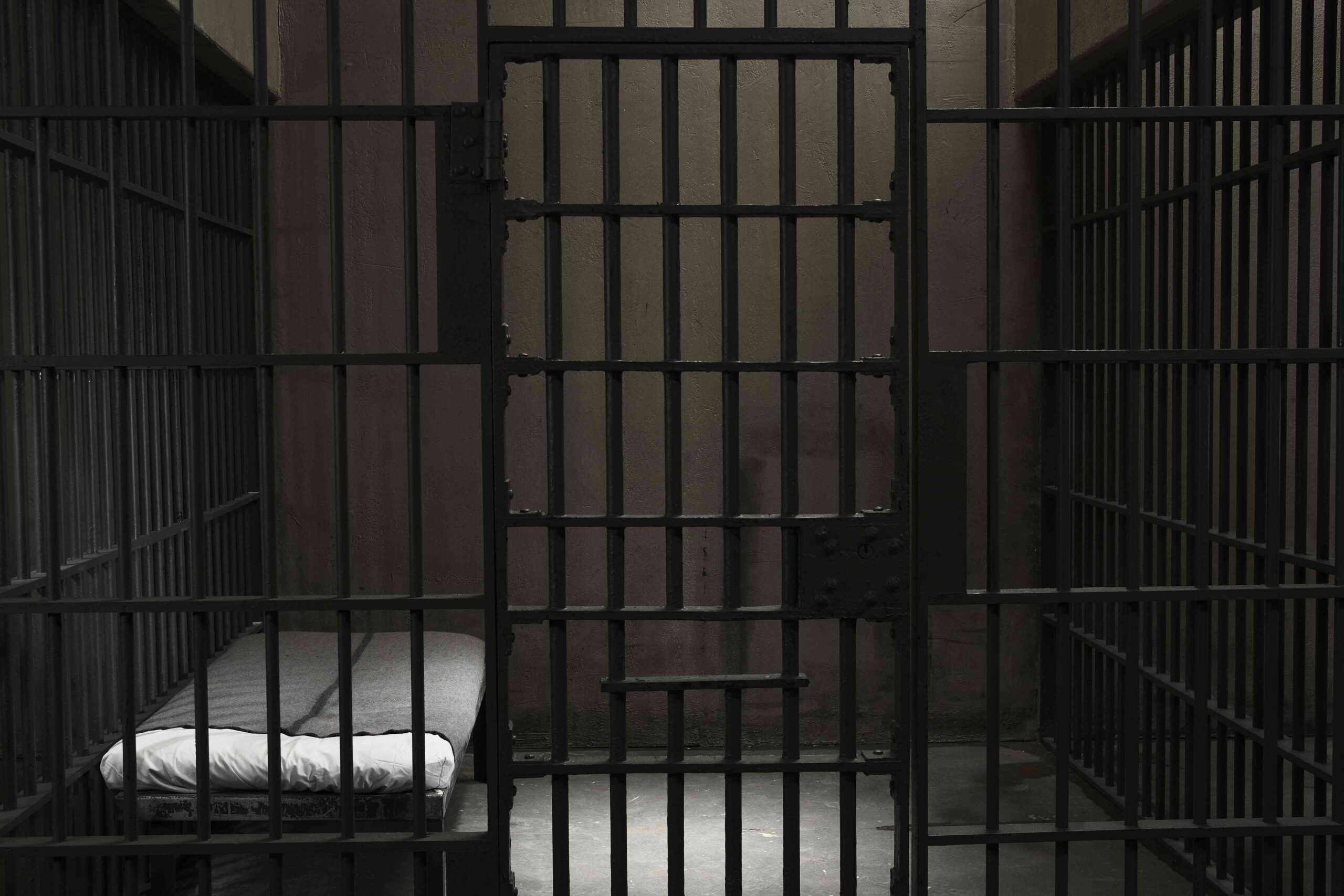
The Stanford Prison Experiment
During the early 1970s, Philip Zimbardo created a simulated prison in the Stanford Psychology Department’s basement. Participants were assigned roles as prisoners or guards, with Zimbardo acting as the warden.
The study aimed to examine how a prison setting would influence behavior. It quickly became one of the most well-known and controversial experiments.
Results of the Stanford Prison Experiment
The Stanford prison experiment was initially slated to last a full two weeks. It ended after just six days. Why? Participants became deeply immersed in their roles. Guards became nearly sadistically abusive, while prisoners experienced anxiety, depression, and emotional disturbance.
While the Stanford prison experiment was designed to look at prison behavior, it highlighted the powerful influence of situational factors on human behavior.
Ethical Concerns
The study is infamous, in part, due to the treatment of participants, who faced significant psychological stress. This led to the experiment’s early termination.
While it illustrates the influence of situational factors on behavior, some critics argue that Zimbardo, in his role as “warden,” may have influenced participants’ behavior.
Recent Criticisms
The Stanford prison experiment has long been controversial due to the serious ethical concerns of the research, but more recent evidence casts serious doubts on the study’s scientific merits.
An examination of study records indicates participants faked their behavior to either get out of the experiment or “help” prove the researcher’s hypothesis. The experimenters also appear to have encouraged certain behaviors to help foster more abusive behavior.
