

Key Takeaways
Overall eating patterns matter more than individual foods or nutrients in isolation. Consider these evidence-based nutrition strategies:
- Focus on patterns, not perfection. Consistent evidence shows that overall dietary quality matters more than single foods or nutrients.Nutrition supports movement—and vice versa. Adequate fueling improves energy, recovery, enjoyment of exercise and long-term adherence.
- Fiber and unsaturated fats matter. Higher fiber intake and healthier fat choices are strongly linked to cardiometabolic and digestive health.
- Undereating is a performance issue. Chronic low energy or carbohydrate intake can impair training adaptations and recovery.
- Individualization is essential. Dietary guidance should reflect health status, preferences, culture, access and goals.
- Know when to refer. Partner with registered dietitian nutritionists when medical complexity or advanced performance goals are involved.
The release of the 2025–2030 Dietary Guidelines for Americans offers an opportunity to reinforce a core message supported by decades of nutrition research: overall eating patterns matter more than individual foods or nutrients in isolation. The Scientific Report of the 2025 Dietary Guidelines Advisory Committee (DGAC), together with a broad body of peer-reviewed evidence, provides a strong foundation for helping individuals make food choices that support health, physical activity and exercise performance across the lifespan.
Professional organizations, including the Academy of Nutrition and Dietetics (AND), note that many recommendations in the current guidelines are consistent with longstanding nutrition science. At the same time, ongoing evaluation and debate of new evidence is an important part of advancing our understanding of nutrition and its impact on public health.
How Nutrition Supports Overall Health
Systematic reviews—a type of study that evaluates all available evidence on a specific research question—summarized in the 2025 DGAC report highlight consistent associations between healthy dietary patterns (foods that are regularly consumed) and a lower risk of several chronic conditions, including:
- Cardiovascular disease
- Type 2 diabetes
- Obesity
- Certain cancers (e.g., colorectal and breast)
- Cognitive decline and dementia
These findings align with longstanding evidence from large cohort studies (which observe groups of people over time to compare specific health outcomes) and meta-analyses (a powerful research method that combines results from multiple independent studies on the same topic). For example:
- Plant-rich diets are associated with improved lipid (triglycerides and cholesterol) profiles and markers of inflammation, which are linked to cardiovascular health.
- Higher fiber intake is associated with improved glycemic control, healthier body weight and reduced risk of type 2 diabetes.
- Diets emphasizing whole, minimally processed foods are associated with reduced risk of some cancers (breast and colorectal), though research continues to refine which specific patterns and components offer the greatest benefit.
According to the DGAC report, excessive consumption of added sugars, saturated fats and sodium, which is common in the typical U.S. diet, contribute to elevated blood pressure, insulin resistance, increased abdominal fat and poor lipid profiles.
Beyond physical health, a growing body of research suggests that overall dietary quality is associated with mental and cognitive health. Eating patterns that emphasize vegetables, fruits, whole grains, seafood and unsaturated fats—such as Mediterranean-style patterns—are consistently associated with better cognitive outcomes and may support long-term brain health compared with dietary patterns high in refined grains, added sugars and highly processed foods.
Clarifying Areas Where Evidence Continues to Evolve
Nutrition science is continually refined as new data emerge. While many recommendations reflect strong consensus, professional organizations emphasize the importance of applying guidance thoughtfully across diverse populations and dietary preferences.
Key Considerations include:
- Saturated fat sources: Foods such as butter, beef tallow, red meat and full-fat dairy are higher in saturated fat and can contribute to exceeding recommended intake levels if consumed frequently. Evidence continues to support moderation and a focus on unsaturated fat sources for cardiovascular health.
- Dairy and alternatives: While dairy foods can be valuable sources of calcium, protein and other nutrients, fortified alternatives and other nutrient-dense foods can be health-promoting for individuals who cannot or choose not to consume dairy.
- Low-calorie non-nutritive sweeteners: Current evidence suggests these sweeteners are generally safe when consumed within established acceptable intake levels, though moderation and overall dietary quality remain important.
- Food additives and dyes: Research indicates that a small subset of children may be sensitive to certain synthetic food dyes; however, findings are inconsistent, and further research is needed to clarify potential effects and mechanisms.
Recognizing these nuances allows health and exercise professionals to apply evidence-based guidance flexibly while prioritizing individual needs, preferences and health goals.
How Nutrition Supports Physical Activity, Exercise and Recovery
All physical activity requires energy, which comes from carbohydrates, fats and proteins in food. The DGAC report notes that nutrient-dense dietary patterns supply the right balance of macronutrients to support energy needs across different life stages and activity levels.
Proper nutrition is essential for:
- Fueling training sessions
- Supporting recovery
- Building strength, endurance and metabolic health
- Reducing injury risk
When individuals consistently underconsume nutrients, especially carbohydrates and total calories, energy levels decline, making physical activity feel harder and less enjoyable. Over time, this can negatively affect a person’s ability to regularly engage in movement, physical activity, or exercise.
Healthy dietary patterns, rich in vegetables, fruits, whole grains, legumes, lean proteins and healthy fats, are associated with better physical function and longer telomere length (a biomarker of biological aging) as people age, all of which are important for longevity. The DGAC report reinforces this by showing strong evidence connecting dietary patterns with reduced risk of chronic conditions that limit physical activity, such as cardiovascular disease and type 2 diabetes.
Although not always grouped with food, hydration is a critical nutrition component. Dehydration reduces endurance, cognitive performance and thermoregulation, especially in hot environments. Drinking water and consuming water-rich foods like fruits and vegetables that are promoted in the DGAC report help support hydration status.
Evidence-Informed Nutrition Strategies
Emphasize Dietary Patterns, Not Perfection
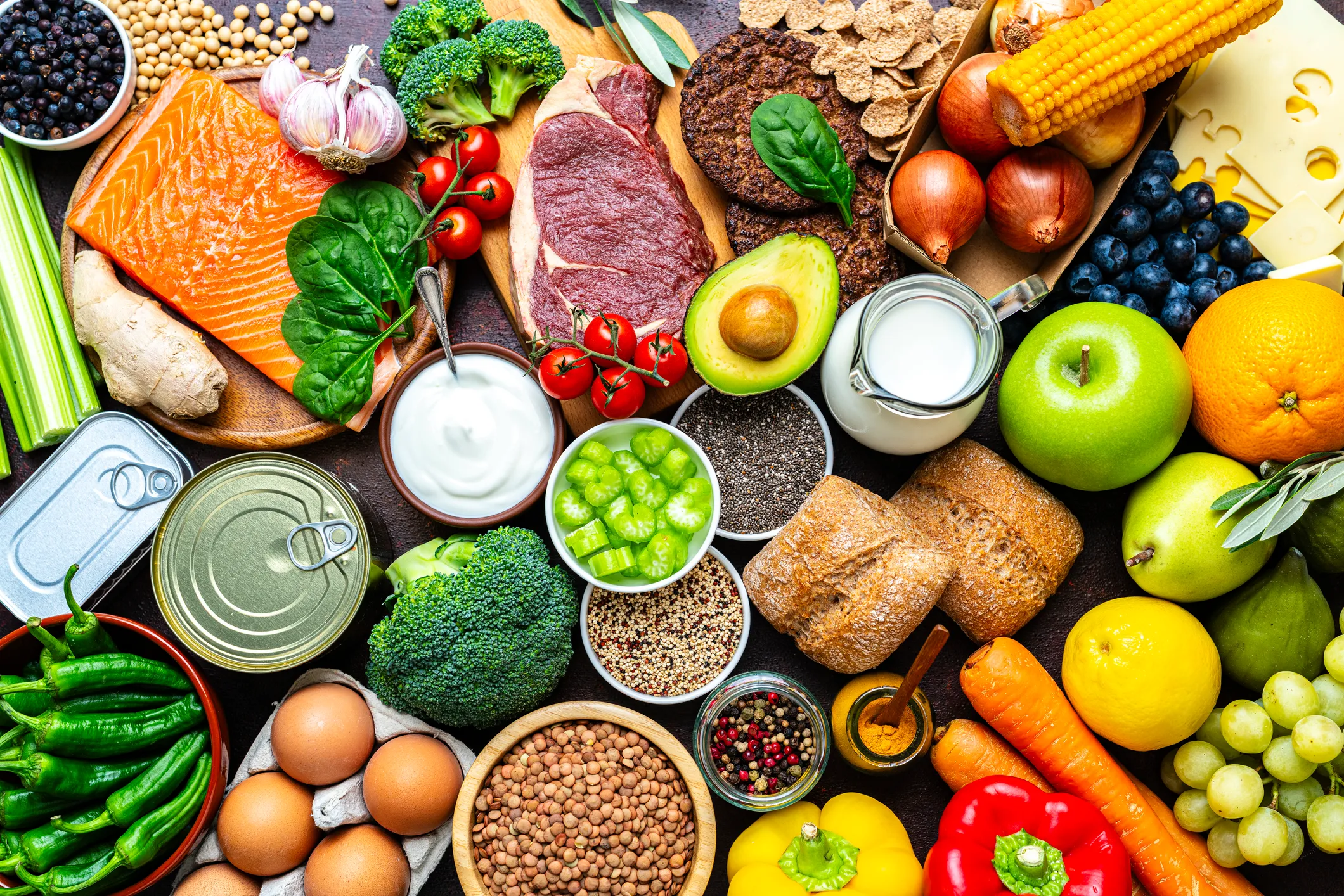
Aim for a diet that emphasizes:
- Vegetables and fruits
- Whole grains
- Lean proteins and plant-based protein sources
- Dairy or fortified alternatives
- Healthy fats (e.g., olive oil, nuts, seeds, fatty fish)
Add Nutrient-dense Foods to Support Activity
Rather than focusing on restriction, begin with simple additions such as:
- Including whole grains at breakfast
- Adding a fruit or vegetable to each meal
- Consuming lean protein after exercise to support recovery
- Incorporating water-rich foods (e.g., cucumbers, berries) to support hydration
- Choosing potassium-rich foods (e.g., bananas, potatoes, beans) to support muscle function
Address Common Nutrient Gaps
Based on the DGAC findings, several nutrients may be commonly underconsumed, including:
- Calcium and vitamin D: Dairy, fortified soy milk, leafy greens
- Fiber: Whole grains, vegetables, legumes
- Potassium: Fruits, vegetables, dairy
- Iron (especially important for female athletes): Lean meats, beans, fortified cereals
Eat to Supporty Movement
Help clients connect food choices with how they feel and perform:
- Carbohydrates plus a small amount of protein before exercise
- Hydration before, during and after activity
- Regular meals throughout the day with protein for repair plus carbohydrates for replenishment to maintain stable energy
Integrate Social and Behavioral Supports
Sustainable nutrition changes are more likely when they fit real life. Consider:
- Involving family or friends in meal prep
- Developing realistic shopping and budgeting strategies
- Pursuing culturally relevant suggestions
- Making small, sustainable changes rather than overhauls
Work with Qualified Professionals When Appropriate
Referral to a registered dietitian nutritionist is recommended when individuals are athletes with advanced performance goals or have:
- Medical conditions
- Highly specialized dietary needs
- Eating disorders or disordered eating concerns
