

Key Takeaways
- Rewatching comfort shows can be an easy way to unwind after a long day, a soothing form of self-care, and a nostalgic connection to the past.
- Watching TV can lighten your cognitive load, boost your mood, and relieve stress and anxiety.
- It’s important to be mindful of when TV is helping you recharge versus when it’s keeping you stuck.
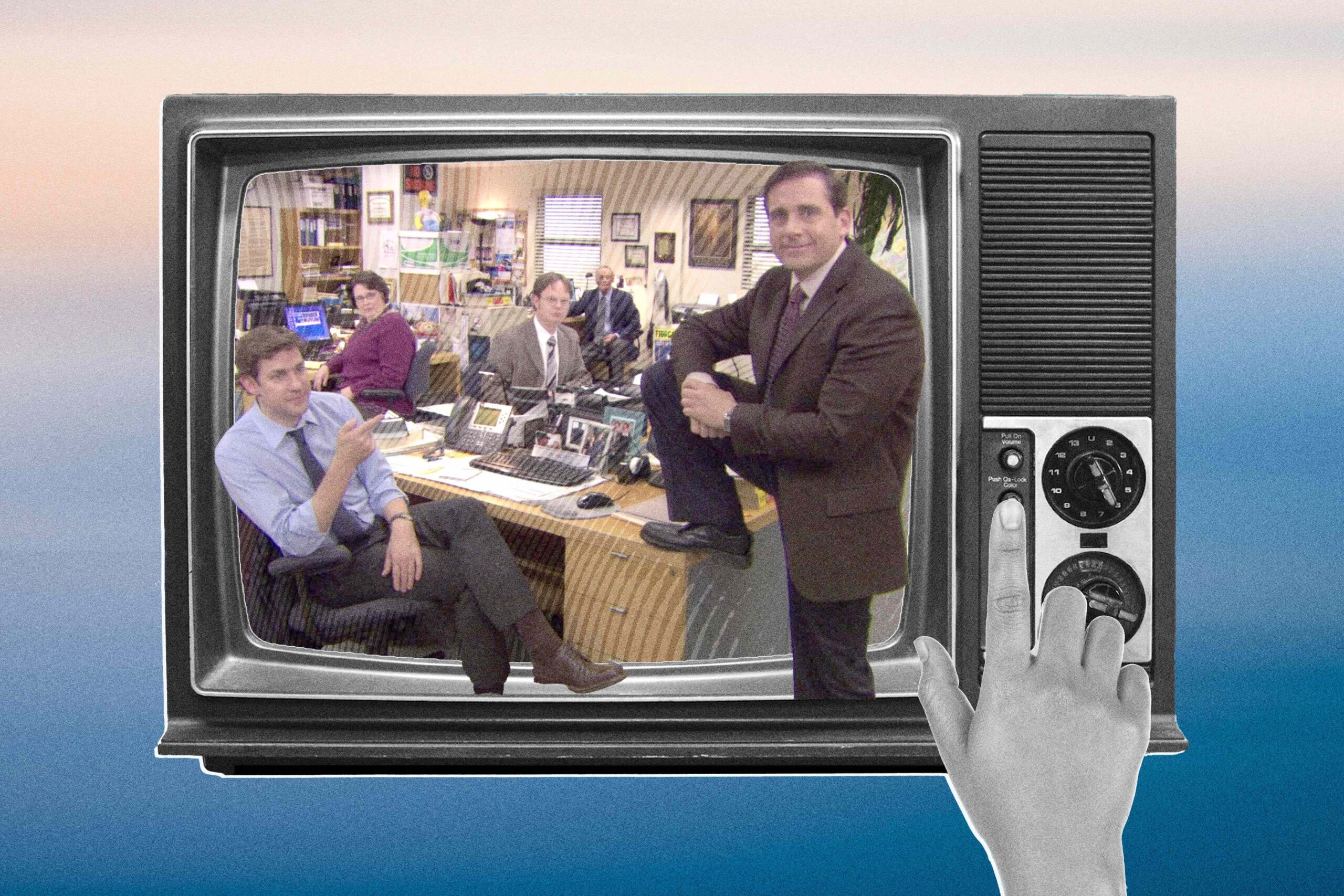
Picture this: you’ve had one of those days. Work felt endless, traffic was a nightmare, and by the time you’ve finally made it home, you just want to watch some mindless TV. So, you curl up on the couch, hit play on “Friends,” “The Office,” or “Brooklyn 99,” and suddenly life feels a little lighter and happier. You’ve seen them a thousand times, but it doesn’t matter.
Surprisingly, this habit may actually have some mental health benefits.
What Are the Benefits?
We all have those TV shows we keep returning to because they feel like a warm, comfy blanket. “The daily grind can be mentally exhausting, which is why nostalgic shows feel so comforting,” says Clarissa Silva, a behavioral scientist. “Instead of adding to our mental load, they give us a much-needed escape.”
“Sometimes, we need life to stay exactly the same for a few hours so that it can feel safe and stable,” says Aimee Daramus, PsyD, a clinical psychologist at Clarity Clinic, Chicago. Here are some of the science-backed benefits of rewatching your favorite shows:
- Reduces cognitive load: “Our brains need to repair from the constant overstimulus we endure throughout the day,” says Silva. Watching a new show takes cognitive effort, but rewatching something gives our mind a break when we’re exhausted.
- Relieves stress and anxiety: Watching TV can be a form of escape. Familiar storylines can feel grounding when life feels unpredictable, unlike the wild emotional rollercoaster of new content. Because we’ve seen it before, we know exactly how every episode ends, joke lands, and big twist resolves. “When we’re stressed and overloaded, it gives us a sense of control,” says Silva.
- Helps with emotional regulation: When we’re feeling upset or overwhelmed, a comforting rewatch can help us regulate. We know the characters will overcome their challenges and that the ending will be happy, which gives us a sense of hope and comfort in our own lives.
- Combats decision fatigue: Our lives are packed with decisions, from what to wear in the morning to what to eat for dinner. This can be exhausting. With so many choices on streaming apps, going back to what’s familiar helps us avoid making even more decisions in our day, says Silva.
- Boosts mood: Seeing funny or heartwarming moments we love can instantly cheer us up. In addition to helping us feel less depleted, it provides our brains with a dopamine boost, Silva explains.
- Creates a sense of belonging: Those characters may not be real, but we might still feel a strong connection to them, which can be comforting.
- Alleviates boredom and loneliness: Research indicates that the nostalgia we experience while rewatching a show can fight boredom, loneliness, and even homesickness.
Why Do We Rewatch TV Shows?
In a world with a seemingly endless number of new shows and movies, we sometimes feel guilty for reverting to an old favorite, like we’re being lazy and taking the easy way out. But psychologically, there’s a lot more to it:
- Relaxation: With a new show, we have to follow all the plot lines, familiarize ourselves with new characters, and figure out their motivations. With one we’ve already seen, there’s no pressure. Our brains don’t have to work as hard. Familiar jokes, catchphrases, and characters can instantly lift our mood and help us unwind.
- Comfort and predictability: Our daily lives can be stressful and unpredictable. Old shows can make us feel safe and soothed because we know exactly what’s going to happen. There are no shocking plot twists or sad endings to worry about.
- Nostalgia: Old shows reconnect us with past versions of ourselves, reminding us of who we were and what life looked like when we first watched them. Research shows us that watching classic content brings back memories from happier, simpler times, like when we were kids.
- Emotional connection: The (one-sided) emotional bonds we form with our favorite fictional characters are known as parasocial relationships. We grow attached to characters over time, so when we rewatch a show, it feels like we’re spending time with old friends, which can provide a sense of companionship and belonging. Research indicates that many people return to familiar content for these parasocial interactions.
- Friendship: Fictional characters are comforting because they always do and say the same things the same way and are always available to us in ways that human friends can’t be, says Dr. Daramus. “Each episode will always be exactly the same, and the characters will always be there for you.”
- Background noise: Sometimes it’s not about watching closely, but having something familiar on while we cook, clean, or scroll.
- Self-care: Taking some time off to chill and watch an old show helps us relax and recharge. It’s a form of self-care that can be quite restorative, says Silva.
- New nuances: Whether it’s a witty line, funny face, or reference we missed before, rewatching a show can help us discover delightful new details.
- Shared culture: Sharing our favorite show with a loved one can be a special experience. Further, being able to discuss episodes, quote lines from the show, recommend it to others, or make inside jokes bonds us with other fans, bringing a sense of community.
When Does Rewatching Shows Become Unhealthy?
Rewatching old favorites can be a surprisingly healthy coping strategy. Research shows that occasionally watching TV can be an easy way to escape reality temporarily and manage anxiety, stress, and negative emotions.
However, this behavior may be concerning if it replaces other healthy coping mechanisms. Research indicates that it can become unhealthy if we binge-watch excessively to cope with loneliness, depression, or social anxiety.
While rewatching comfort shows has emotional, cognitive, and psychological benefits, it’s important to be mindful if this habit becomes an avoidance tactic or a replacement for engaging with new experiences, says Silva. For example, if you’re constantly choosing to binge the same series instead of sleeping, connecting with friends, or tackling things that need your attention, it could be more of an avoidance strategy than self-care.
When life is full of change, chaos, or drama, rewatching an old favorite TV show can feel like getting together with old friends.
Rewatching shows should be balanced with in-person, healthy relationships, says Dr. Daramus. “You need to be mindful of this habit if you’re pushing away healthy relationships in the real world to stay in the fictional world, or when you can’t cope with the change and compromise that naturally occurs in human relationships.”
Still, more often than not, chilling with a favorite show is harmless and fun, says Dr. Daramus.
Comfort is great, but growth happens when we step outside of it. If your rewatch feels like it’s keeping you from living your life, doing new things, or spending time with people, it might be time to pause and check in with yourself.
Verywell Mind uses only high-quality sources, including peer-reviewed studies, to support the facts within our articles. Read our editorial process to learn more about how we fact-check and keep our content accurate, reliable, and trustworthy.
-
Boursier V, Musetti A, Gioia F, Flayelle M, Billieux J, Schimmenti A. Is watching TV series an adaptive coping strategy during the COVID-19 pandemic? Insights from an Italian community sample. Front Psychiatry. 2021 Apr 21;12:599859. doi:10.3389/fpsyt.2021.599859
-
Bentley F, Murray J. Understanding video rewatching experiences. Proceedings of the ACM International Conference on Interactive Experiences for TV and Online Video, Chicago. doi:10.1145/2932206.2932213
-
Zhang X, Zhang X, Yu X. Behavioral intention of repeated watching and personality traits: Testing mediation model of nostalgia arousal and social connectedness. Psychol Res Behav Manag. 2023 Feb 19;16:483-495. doi:10.2147/PRBM.S391130
-
Arriaga P, Alexandre J, Postolache O, Fonseca MJ, Langlois T, Chambel T. Why do we watch? The role of emotion gratifications and individual differences in predicting rewatchability and movie recommendation. Behav Sci (Basel). 2019 Dec 19;10(1):8. doi:10.3390/bs10010008
-
Sun JJ, Chang YJ. Associations of problematic binge-watching with depression, social interaction anxiety, and loneliness. Int J Environ Res Public Health. 2021 Jan 28;18(3):1168. doi:10.3390/ijerph18031168
Thanks for your feedback!
What is your feedback?
Helpful
Report an Error
Other
