

Nearly 9 in 10 U.S. adults have at least one component of the syndrome, which includes high blood pressure, abnormal cholesterol and lipids, high blood glucose (sugar), excess weight, and reduced kidney function. When combined, these factors increase the risk for heart attack, stroke, and heart failure more than any one of them alone.
[2]
The new study findings add to growing evidence that moving more, even at low intensity, can improve health outcomes, particularly for people who may struggle to meet traditional exercise recommendations because of fatigue, pain, or limited stamina, says Shuchi Anand, MD, associate professor and director of the Center for Tubulointerstitial Kidney Disease at Stanford University in California, who wasn’t part of the research.
Study Looked at Everyday Movement, Not Workouts
Researchers looked at health data from more than 7,200 U.S. adults who participated in the National Health and Nutrition Examination Survey between 2003 and 2006. Each person was categorized according to their CKM syndrome stage, which ranged from 0 (meaning no signs of any condition) to 4 (living with several conditions in more advanced stages) — the higher number indicating higher risk for heart disease and stroke.
Participants wore an accelerometer for up to seven days, allowing researchers to capture how much time they spent moving throughout the day, and whether that activity level was light, moderate, or vigorous.
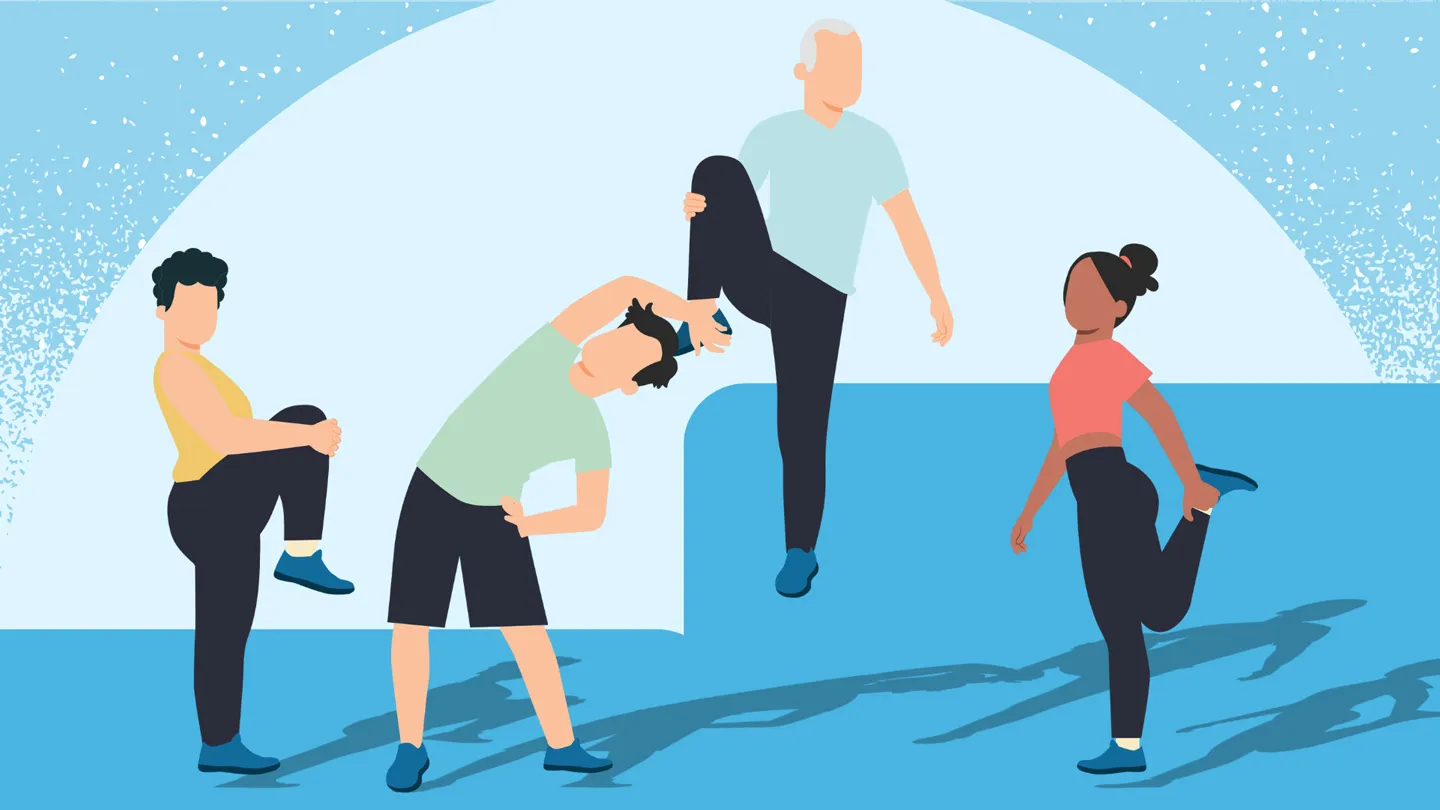
Given that many people in the more advanced stages of CKM may not be able to do intense or even moderate physical activity, researchers focused on light activity — things like stretching, vacuuming, leisurely walking, and yard work.
Participants were then followed to track deaths from any cause through the end of 2019, with a median follow-up of more than 14 years.
The study found:
- Light physical activity was significantly linked with a lower risk of death in CKM stages 2, 3, and 4.
- Each additional hour of light activity per day was linked to a 14 to 20 percent lower risk of death over the follow-up period.
- The benefits were greater for people with more advanced disease. Increasing light activity from about 90 minutes to two hours per day was associated with about 2 fewer deaths per 100 in stage 2 and about 4 fewer deaths per 100 people in stage 4.
Potential Health Benefits of Light Activity Are ‘Substantial’ for Advanced Disease
While previous studies have suggested that light movement can support heart health, this research extends those findings to people already living with or at high risk for serious cardiovascular and kidney disease, the authors wrote.
Light physical activity is an underused treatment that can help improve heart health for people with CKM syndrome, says lead author Joseph Sartini, a PhD candidate in biostatistics at Johns Hopkins Bloomberg School of Public Health in Baltimore.
This is especially true for people in later CKM syndrome stages where “the potential health benefits of light activity are substantial,” says Sartini.
Study Has Some Limitations
Because the study was observational, it can’t prove that light activity directly caused people to live longer. Still, the long follow-up period and objective activity measurements strengthen the findings.
The researchers note that physical activity was measured during a single week at baseline, which may not reflect long-term habits. The accelerometers used also couldn’t capture all types of movement, such as swimming.
Because the study was observational, it’s also possible that the relationship worked both ways, meaning that people with more advanced disease would be likely to be less active. Even so, the consistent association between light activity and lower mortality across CKM stages makes the findings noteworthy, the authors wrote.
Why Activity Is More Challenging When You Have CKM
While no one can go from “0 to 60” when it comes to exercise, people with advanced heart, kidney, or metabolic disease may have even more challenges than typical because their conditions limit their capacity for exercise, says Dr. Anand.
“In case of heart disease, their heart rate may not be able to increase to the extent needed, or in the case of kidney disease, toxins that build up due to kidney disease affect how well their muscles can function,” she says.
On top of that, medications used to treat these conditions also slow the heart rate and lower blood pressure, so people may feel a lot of symptoms as they push toward moderate or vigorous activity.
“This is why meeting the current physical activity recommendations [150 minutes of moderate intensity exercise a week] is not just a matter of motivation for people with advanced heart, kidney, or metabolic disease, but rather it is a matter of capacity,” says Anand.
For these people, light activity is a more realistic and accessible way to potentially improve their health, says Sartini.
“People with CKM don’t need to push themselves to run on a treadmill; if they can take a walk for 30 minutes a day and slowly increase that time to 40 minutes a day, they are achieving a holistic benefit to their health,” she says.
Any Activity Is Better Than None
There is a dose-response curve when it comes to physical activity, Anand says. That means any activity is better than none, and more is even better.
“Light movement such as walking or gardening still creates a light stress on your heart and body muscles, combined with vasodilation, which is an opening of your blood vessels, and uptake of glucose by muscles,” she explains.
These physiological responses improve circulation, lower blood pressure, and generate a positive hormonal balance, all of which translates into a “remarkable health benefit,” says Anand.
Practical Ways to Add More Light Activity
For people living with CKM-related conditions, adding movement can be structured or self-driven.
“There are programs where physical activity is treated like a prescription,” Anand says, pointing to initiatives such as Exercise Is Medicine, which helps providers recommend safe, individualized activity levels and connect patients with coaches and trainers.
Another approach focuses on replacing 60 minutes of sedentary (sitting or lying) time per day with stepping or moving, rather than adding a structured workout, called Sit Less, Interact and Move More (SLIMM), she says.
[3]
Simple strategies may include:
- Taking short walks throughout the day
- Standing or pacing during phone calls
- Gardening or doing light housework like sweeping (add music to help you move more)
- Using a step counter to gradually increase daily movement
“If you start out with 4,000 steps a day, try to build up to 5,000. Once you begin a positive cycle of moving more, you are usually able to slowly increase to a level that feels good and sustainable,” says Anand.
The bottom line for improving your health and reducing your risk of death: “Move more than you do today, and do it consistently,” she says.
