

Key Takeaways
- The Stanford Prison Experiment showed how power can change people’s behavior in a bad way.
- The experiment was stopped early because it was harmful to the participants.
- The study faced criticism for being unethical and not representing real-life prison conditions.
In August of 1971, psychologist Philip Zimbardo and his colleagues created an experiment to determine the impacts of being a prisoner or prison guard. The Stanford Prison Experiment, also known as the Zimbardo Prison Experiment, went on to become one of the best-known studies in psychology’s history—and one of the most controversial.
This study has long been a staple in textbooks, articles, psychology classes, and even movies. Learn what it entailed, what was learned, and the criticisms that have called the experiment’s scientific merits and value into question.
Purpose of the Stanford Prison Experiment
Zimbardo was a former classmate of the psychologist Stanley Milgram. Milgram is best known for his famous obedience experiment, and Zimbardo was interested in expanding upon Milgram’s research. He wanted to further investigate the impact of situational variables on human behavior.
Specifically, the researchers wanted to know how participants would react when placed in a simulated prison environment. They wondered if physically and psychologically healthy people who knew they were participating in an experiment would change their behavior in a prison-like setting.
Participants in the Stanford Prison Experiment
To carry out the experiment, researchers set up a mock prison in the basement of Stanford University’s psychology building. They then selected 24 undergraduate students to play the roles of both prisoners and guards.
Participants were chosen from a larger group of 70 volunteers based on having no criminal background, no psychological issues, and no significant medical conditions. Each volunteer agreed to participate in the Stanford Prison Experiment for one to two weeks in exchange for $15 a day.
Setting and Procedures
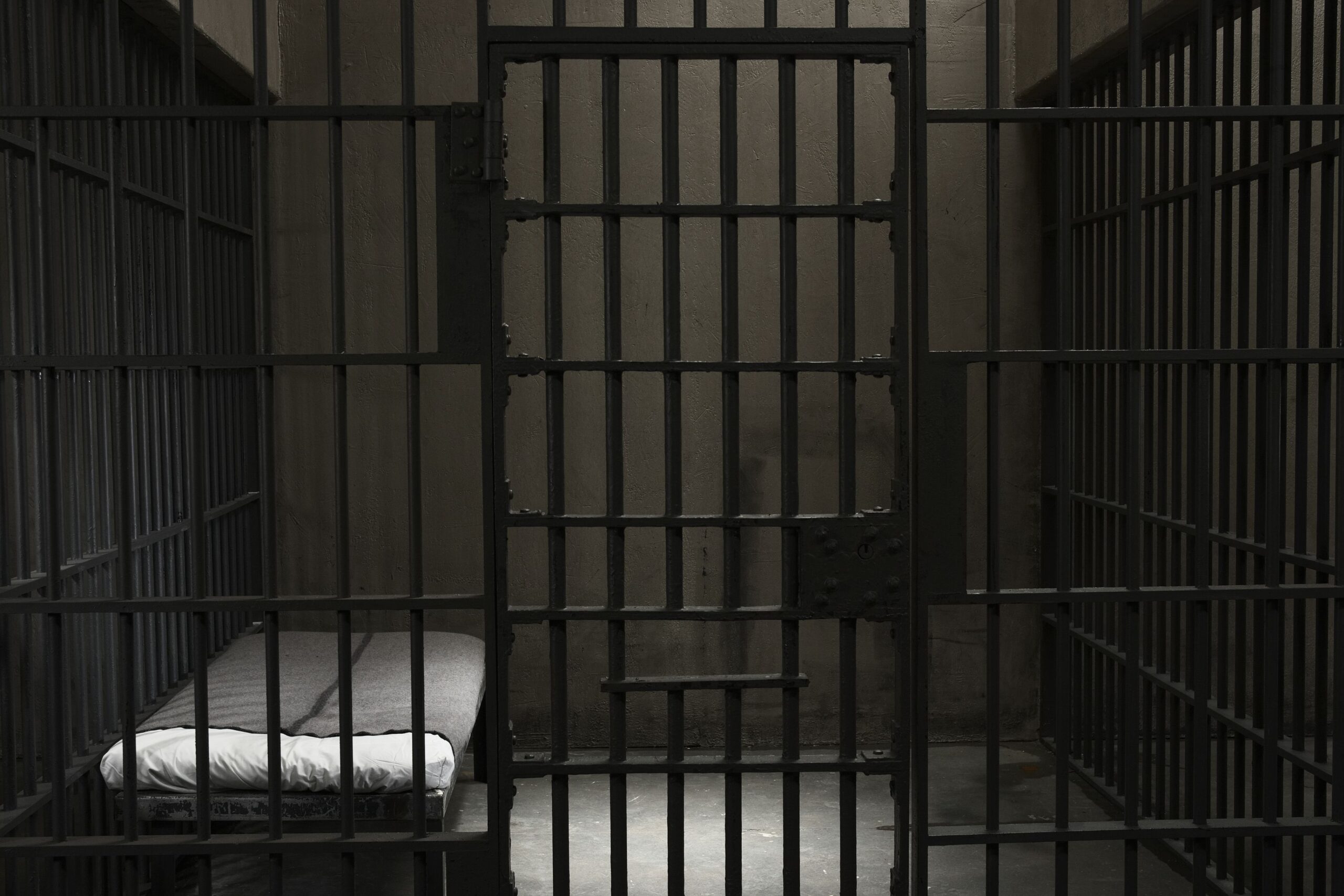
The simulated prison included three six-by-nine-foot prison cells. Each cell held three prisoners and included three cots. Other rooms across from the cells were utilized for the jail guards and warden. One tiny space was designated as the solitary confinement room, and yet another small room served as the prison yard.
The 24 volunteers were randomly assigned to either the prisoner or guard group. Prisoners were to remain in the mock prison 24 hours a day during the study. Guards were assigned to work in three-man teams for eight-hour shifts. After each shift, they were allowed to return to their homes until their next shift.
Researchers were able to observe the behavior of the prisoners and guards using hidden cameras and microphones.
Results of the Stanford Prison Experiment
So what happened in the Zimbardo experiment? While originally slated to last 14 days, it had to be stopped after just six due to what was happening to the student participants. The guards became abusive and the prisoners began to show signs of extreme stress and anxiety.
It was noted that:
- While the prisoners and guards were allowed to interact in any way they wanted, the interactions were hostile or even dehumanizing.
- The guards began to become aggressive and abusive toward the prisoners while the prisoners became passive and depressed.
- Five of the prisoners began to experience severe negative emotions, including crying and acute anxiety, and had to be released from the study early.
Even the researchers themselves began to lose sight of the reality of the situation. Zimbardo, who acted as the prison warden, overlooked the abusive behavior of the jail guards until graduate student Christina Maslach voiced objections to the conditions in the simulated prison and the morality of continuing the experiment.
One possible explanation for the results of this experiment is the idea of deindividuation, which states that being part of a large group can make us more likely to perform behaviors we would otherwise not do on our own.
Impact of the Zimbardo Prison Experiment
The experiment became famous and was widely cited in textbooks and other publications. According to Zimbardo and his colleagues, the Stanford Prison Experiment demonstrated the powerful role that the situation can play in human behavior.
Because the guards were placed in a position of power, they began to behave in ways they would not usually act in their everyday lives or other situations. The prisoners, placed in a situation where they had no real control, became submissive and depressed.
In 2011, the Stanford Alumni Magazine featured a retrospective of the Stanford Prison Experiment in honor of the experiment’s 40th anniversary. The article contained interviews with several people involved, including Zimbardo and other researchers as well as some of the participants.
In the interviews, Richard Yacco, one of the prisoners in the experiment, suggested that the experiment demonstrated the power that societal roles and expectations can play in a person’s behavior.
Criticisms of the Stanford Prison Experiment
In the years since the experiment was conducted, there have been a number of critiques of the study. Some of these include:
Ethical Issues
The Stanford Prison Experiment is frequently cited as an example of unethical research. It could not be replicated by researchers today because it fails to meet the standards established by numerous ethical codes, including the Code of Ethics of the American Psychological Association.
Why was Zimbardo’s experiment unethical?
Zimbardo’s experiment was unethical due to a lack of fully informed consent, abuse of participants, and lack of appropriate debriefings. More recent findings suggest there were other significant ethical issues that compromise the experiment’s scientific standing, including the fact that experimenters may have encouraged abusive behaviors.
Lack of Generalizability
Other critics suggest that the study lacks generalizability due to a variety of factors. The unrepresentative sample of participants (mostly white and middle-class males) makes it difficult to apply the results to a wider population.
Lack of Realism
The Zimbardo Prison Experiment is also criticized for its lack of ecological validity. Ecological validity refers to the degree of realism with which a simulated experimental setup matches the real-world situation it seeks to emulate.
While the researchers did their best to recreate a prison setting, it is simply not possible to perfectly mimic all the environmental and situational variables of prison life. Because there may have been factors related to the setting and situation that influenced how the participants behaved, it may not truly represent what might happen outside of the lab.
Recent Criticisms
More recent examination of the experiment’s archives and interviews with participants have revealed major issues with the research method, design, and procedures used. Together, these call the study’s validity, value, and even authenticity into question.
These reports, including examinations of the study’s records and new interviews with participants, have also cast doubt on some of its key findings and assumptions.
Among the issues described:
- One participant suggested that he faked a breakdown so he could leave the experiment because he was worried about failing his classes.
- Other participants also reported altering their behavior in a way designed to “help” the experiment.
- Evidence suggests that the experimenters encouraged the guards’ behavior and played a role in fostering the abusive actions of the guards.
In 2019, the journal American Psychologist published an article debunking the famed experiment. It detailed the study’s lack of scientific merit and concluded that the Stanford Prison Experiment was “an incredibly flawed study that should have died an early death.”
In a statement posted on the experiment’s official website, Zimbardo maintains that these criticisms do not undermine the main conclusion of the study—that situational forces can alter individual actions both in positive and negative ways.
Verywell Mind uses only high-quality sources, including peer-reviewed studies, to support the facts within our articles. Read our editorial process to learn more about how we fact-check and keep our content accurate, reliable, and trustworthy.
Thanks for your feedback!
What is your feedback?
Helpful
Report an Error
Other
