

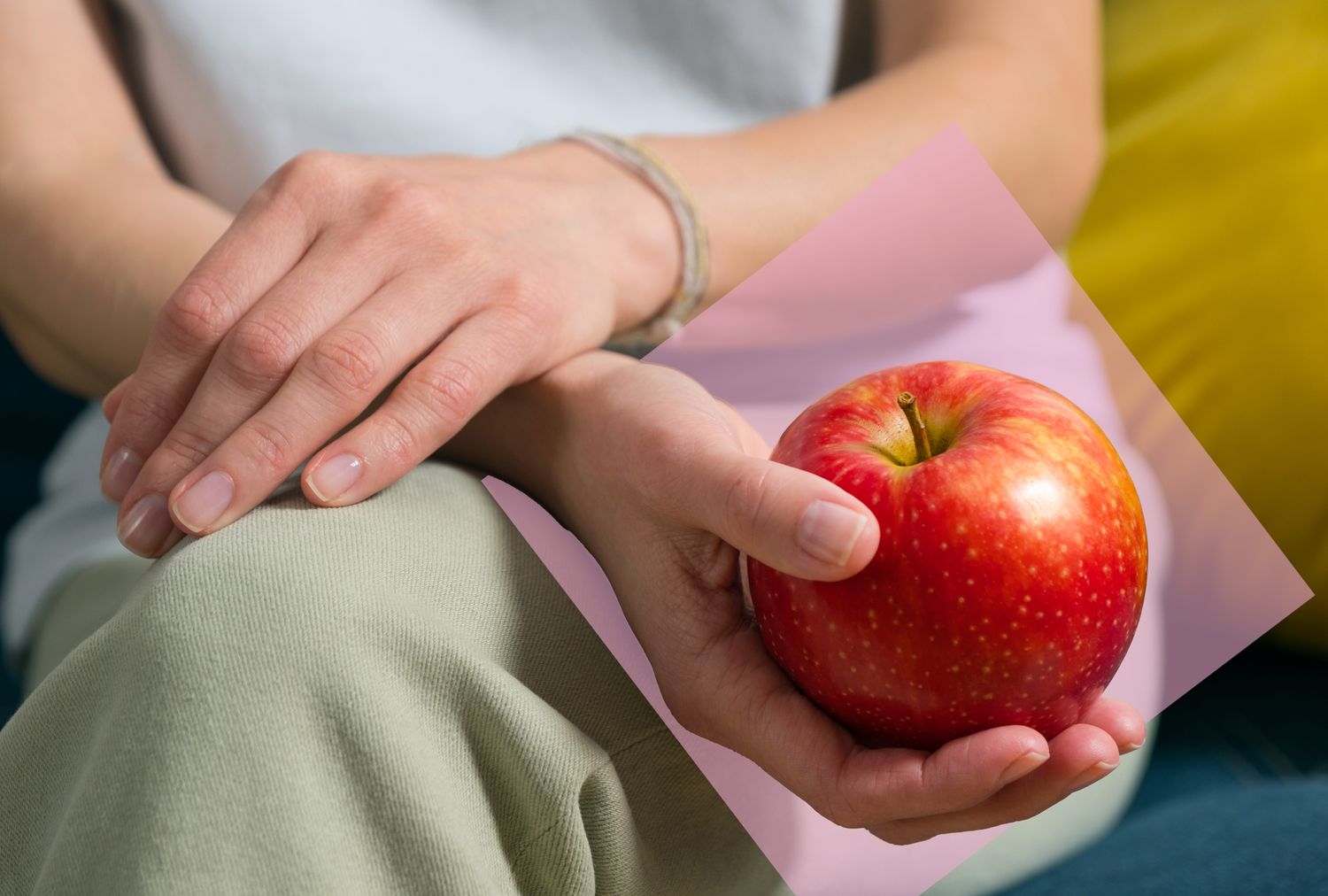
- Apples are a delicious, nutrient-dense fruit that is particularly high in fiber.
- Experts say eating an apple in the morning can help you get the most out of its fiber.
- It may help keep your digestive system regular, improve blood sugar and help you feel full.
If you can’t get enough of the juicy, sweet flavor of apples, you aren’t alone. Apples are America’s favorite fruit, followed closely by oranges. While this beloved fruit offers a variety of nutrients, its fiber content is especially noteworthy. One medium apple provides an impressive 4 to 5 grams of fiber. So, snacking on one every day can get you closer to hitting the daily 25 to 38 grams of fiber you need.,
Considering the wealth of things fiber does for our bodies, there are lots of good reasons to munch on an apple. But does the timing matter? To find out, we asked two registered dietitians to share their thoughts. Read on to find out when they recommend eating your apple to get the maximum benefits from this fiber-rich fruit.
When Is the Best Time to Eat Your Apple?
“While there’s no ‘best’ time to enjoy an apple, research suggests that the morning may be an ideal time to maximize the fiber benefits,” says Avery Zenker, RD. Whether you add some chopped apples to your oats at breakfast or snack on an apple midmorning to tide you over until lunch, it’s an easy way to get a jump start on your daily fiber goals.
Fiber-Related Benefits of a Morning Apple
Can Help Keep Your Digestive System Regular
Just like our day-to-day lives are governed by the clock, your body also runs on an internal clock, known as your circadian rhythm. That’s why many people feel the urge to poop at around the same time every day. For many of us, that’s in the morning.
Eating a fiber-rich apple early in the day can help you take advantage of that increased colonic activity and nudge your body to go No. 2. In fact, apples have not one, but two different types of fiber that keep things moving smoothly. The first is insoluble fiber, which bulks up your stool and gives you a push. The other is soluble fiber, which forms a slick gel to ease things along. If that weren’t enough, apple’s pectin also feeds your good gut bacteria to keep your gut in tip-top shape. That might help prevent constipation over the long haul.
May Support Blood Sugar Balance
It’s easy to assume that naturally sweet apples will spike your blood sugar. However, eating an apple in the a.m. may set you up for steadier blood sugar later in the day. Once again, the hero here is pectin. Its thick, sludge-like gel slows down digestion, so it takes longer for food to travel through your intestines. That doesn’t just keep you full longer. It may prevent undesirable blood sugar spikes that can cause cravings, explains Jenny Finke, M.S., RDN.
When it comes to eating apples (or any other healthy food), there’s also something to be said for consistency. Research has linked regularly eating low-glycemic index fruits, like apples, grapes and blueberries, to a lower risk of developing type 2 diabetes. So, keep up that daily apple habit!
Can Improve Satiety
If weight management is a goal, apples are a top pick. They offer loads of nutrients in a low-calorie package. And that package includes fiber, which has a solid track record for helping with weight management. Because fiber helps you feel full, it may help you eat less overall, says Finke. For anyone who is on a weight-loss journey, she suggests eating a whole apple 10 to 15 minutes before a meal to maximize those satiety benefits. Grab an apple for a late-morning snack, and it might help you eat less at lunch!
Strategies to Increase Fiber
In addition to a daily apple, here are a few other simple tips to help you squeeze more fiber into your day.
- Just Add Beans: With as much as 8 grams of fiber per half-cup, adding beans to your meals is a solid strategy for racking up more fiber. You don’t need to change up your whole menu either. Zenker suggests simply adding canned beans to your usual meals by stirring some lentils into spaghetti sauce or blending white beans into a creamy soup along with the rest of the ingredients.
- Sprinkle on Some Flaxseed: Flaxseeds may be small, but they pack an impressive number of nutrients into a tiny package, especially fiber. Sprinkling a couple of tablespoons of these seeds onto baked goods, oats or yogurt can deliver 4 grams of additional fiber.
- Reach for Whole Grains: Swapping in whole-grain varieties of bread and pasta is an easy way to tack more fiber onto a meal. For example, using whole-grain bread for a sandwich can give you 4 to 6 grams of fiber.
- Load Up on Leafy Greens: Keep some fresh or frozen greens on hand to boost the fiber in your meals and add color, too. Take kale, for example. One cooked cup gives you 6 grams of fiber. If kale isn’t your thing, try spinach, arugula or Swiss chard. These greens make an easy fiber-rich addition to eggs, sandwiches, soups or even your morning smoothie.
Our Expert Take
There may be a kernel of truth to the old adage about eating an apple a day. Apples are a delicious, nutrient-dense and conveniently portable fruit that is particularly high in fiber. Eating an apple at any time of day is a win for your health. But if you’re looking to maximize its fiber benefits, experts recommend eating your apple in the morning. It will give you a head start on your day’s fiber. Plus, it may help keep your digestive system regular, improve blood sugar and keep you feeling nice and full all morning long.
