

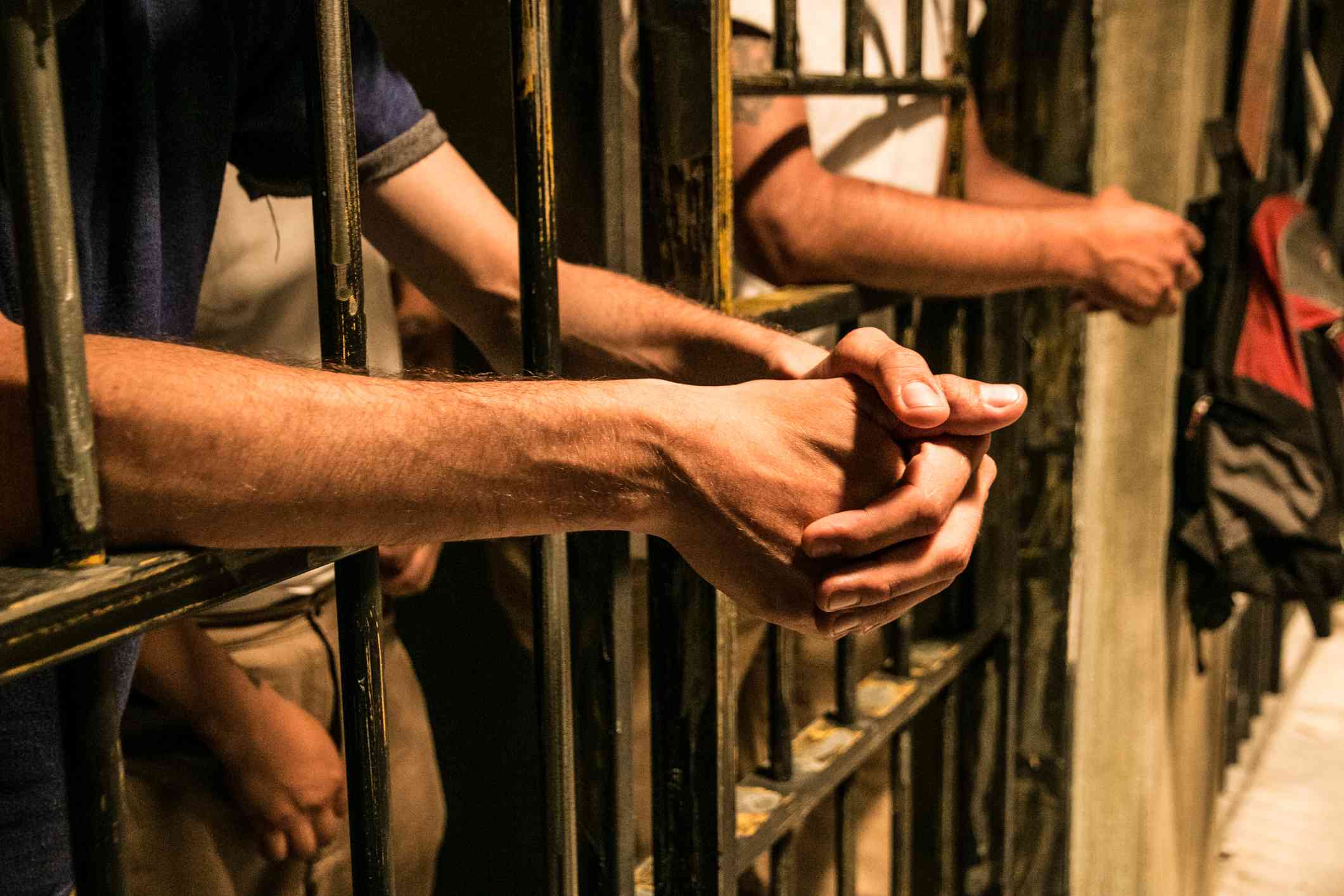
Society tends to view incarceration through the lens of punishment and justice. What’s less visible, and often much more complex, are the effects that prison has on mental health. Prison can create and worsen mental health problems, and people had pre-existing mental health problems before their incarceration.
According to the Prison Policy Initiative, 10.6 million people go to jail and 600,000 people enter prison in the United States each year. Many justice-involved individuals have pre-existing mental health issues. And some individuals who were considered mentally healthy before their arrest develop mental health symptoms once they are in prison.
Being in prison can take a serious toll on an individual’s psychological well-being. New conditions often develop, and pre-existing conditions may worsen. Sadly, many justice-involved individuals are released back into the community without ever receiving any treatment.
Keep reading to learn more about the potential psychological and emotional costs of being imprisoned and why this is not just a problem for individuals but for society as a whole.
Mental Health Concerns Among Incarcerated Individuals
According to a 2018 report by the National Academies of Sciences, Engineering, and Medicine, 44% of incarcerated individuals have been diagnosed by a mental health professional with a mental health condition. In state prisons, 73% of women and 55% of men have a mental health issue.
Substance abuse is common among incarcerated individuals. Quite often, mental health issues and substance abuse issues occur alongside one another.
Increased incarceration rates in the United States have disproportionately affected racial and ethnic minority populations. As of 2021, 38.5% of incarcerated individuals are Black, and 30% are Hispanic.
The American Psychological Association estimates that between 10% and 25% of incarcerated individuals have a “serious mental illness,” such as schizophrenia. According to the National Institute of Mental Health (NIMH), in the general population, it’s estimated that about 6% of individuals have a serious mental illness.
Many other incarcerated individuals may experience depressive disorders, anxiety disorders, or PTSD. For some, these issues may be pre-existing conditions. For others, the problems may have started after their incarcerations.
Disorders often go unrecognized by both incarcerated individuals and prison staff. Responses to the prison environment may appear as “normal” reactions to institutionalization, leading to a lack of acknowledgment and resulting in silent suffering.
Black individuals are more likely to be incarcerated before trial, to fare worse in plea agreements that might have otherwise kept them out of prison, to receive the death penalty, and to be arrested and charged with drug crimes.
While some people feel that increasing the number of people behind bars keeps communities safer, the statistics don’t necessarily show a decrease in crime. The Sentencing Project suggests there is a weak relationship between increased incarceration and decreased crime.
The Toll Prison Takes on Psychological Well-Being
Prison can negatively affect mental health for several reasons:
Loss of Purpose
People can experience a loss of purpose when they’re locked up. Prisons are not obligated to pay their occupants a minimum wage for labor, and they can charge high fees for phone calls with families.
It can be difficult for a justice-involved person to contribute to their family’s financial or emotional needs. A perceived lack of purpose in life can take a serious toll on anyone’s psychological well-being.
Loss of Identity
When someone is incarcerated, they are no longer known for their profession, such as being a musician or a delivery driver. They also aren’t known for their skills, talents, or knowledge. The loss of a sense of self can be quite disorienting, confusing, and troublesome.
Separation From Loved Ones
They can no longer be with their friends and families. Missing their loved ones and not being part of their daily lives increases feelings of isolation and loneliness.
Additionally, they can’t be there for their loved ones, so they may worry about those they can’t support, such as an elderly family member. They may also experience a lot of grief over missing out on a child’s activities or not being able to be there for a partner.
Physical Environment Adds to Stress
Concrete walls, little natural light, and a lack of overall stimulation can take a serious toll on mental health. People in prison have few ways to relieve stress. And their sterile environment is likely to fuel boredom, which can be quite stressful in itself.
Research shows the environment even takes a toll on the prison staff. Frequent staff shortages can mean individuals don’t get out of their cells as often, which can add even more stress to their daily lives. This can create a cycle of stress that is tough to break.
Exposure to Violence
Incarcerated individuals are often exposed to violence while behind bars. They may witness fights breaking out at meal times or during recreation times. They may also witness acts of violence between guards and incarcerated peers, or they may become victims of aggression.
Research shows that exposure to violence while in prison creates emotional distress. In addition, exposure to violence has a direct impact on how well individuals adjust to life outside of prison after they’re released.
People who are exposed to greater acts of violence while they are incarcerated are more likely to have trouble settling back into the community.
Solitary Confinement
Whether individuals are placed in solitary confinement due to disciplinary issues or they’re segregated because of a safety issue, being locked up alone for 23 hours a day can take a serious toll on a person’s well-being.
For years, the American Civil Liberties Union (ACLU) and other organizations have sought to have solitary confinement banned as a human rights violation, but the practice is still fairly common in the U.S.
Researchers have found that the vast majority of individuals who are placed in solitary confinement have “serious mental illness.” These conditions may be why they exhibited behavioral issues in the first place. Solitary confinement can exacerbate symptoms.
But others are likely to develop mental health issues as a result of the extreme isolation. Studies show solitary confinement increases the risk of anxiety, insomnia, paranoia, aggression, and depression.
Lack of Treatment
Even when mental health concerns are known, disorders often go untreated. Most prisons lack the funds to offer adequate mental health treatment. Those who do offer services of some kind may be limited in the types of treatments they provide.
Additionally, services in prison may not be all that effective. It’s tough for individuals to open up to someone when they lack physical and psychological safety.
Many incarcerated people may not be given proper medication either, even if they were taking medication to help with a condition at the time they were admitted to prison.
Older research found that 26% of inmates were diagnosed with a mental health condition at some point during their lives. Only about 18% of them were taking medication for their condition when they became incarcerated. Of those who were taking medication, less than 50% were prescribed medication during their admission.
More recent research found that 38.4% of people living in prison received some type of behavioral treatment while only 7.1% received any type of treatment for substance use and mental health problems.
Although courts mandate adequate treatment for mental health care, treatment is usually reserved for diagnoses that are considered the most serious. Medications are often expensive, and quite often, to save costs, prescriptions are not made readily available.
Specialized treatment is rarely available in prisons. And generic groups or services may not be able to assist with specific conditions. Additionally, most prisons do not provide adequate access to treatment providers.
So, incarcerated individuals’ conditions often go unrecognized. Quite often, inmates are given simple screening questionnaires to complete at intake. They aren’t assessed by a mental health professional at all and likely never come into contact with one throughout their time in prison.
Consequences of Inadequate Treatment
The consequences of inadequate mental health care contribute greatly to the suffering of the affected individuals and their families. Untreated psychiatric conditions among the prison population even takes a toll on society financially, in the form of taxpayers’ money.
Untreated psychiatric conditions may increase the risk of recidivism. Justice-involved people who have serious mental health issues are 29.7% more likely to return to prison at least once.
A 2020 study looked at the rates of recidivism among individuals who were released from prison. Those who reported poor mental health in prison were more likely to recidivate than those who had average mental health during their sentence. The rates of recidivism were between 33% and 68% higher for people with poor in-prison mental health than for their peers.
State Hospital Closures
Since the 1970s, there has been a big push toward the deinstitutionalization of individuals with mental health issues. On the surface, closing “asylums” and institutions that housed people with severe psychiatric conditions seemed like a good idea. Many of the institutions were understaffed and unable to give patients the individual treatments they needed.
Closing the doors to psychiatric hospitals and other long-term institutions, however, has had serious consequences. The community mental health centers intended to replace long-term institutions quickly lost their government funding, leaving a gap in the social safety net. The lack of long-term treatment options contributed to a major increase in incarcerations.
Rather than reside in a state-run hospital, many individuals with mental health issues now spend much of their time in jail.
According to research conducted by The Treatment Advocacy Center, the number of individuals with “serious mental illness” is now 10 times higher in jails than in state psychiatric hospitals.
Takeaways
Anyone who is facing incarceration should consider revealing any pre-existing mental health conditions. Disclosing those issues may increase the likelihood of accessing treatment.
But bigger changes are needed at the systemic and legal levels. Better access to mental health services overall may prevent crime. Treating people during incarceration and providing access to ongoing treatment after they’re released may reduce recidivism rates.
