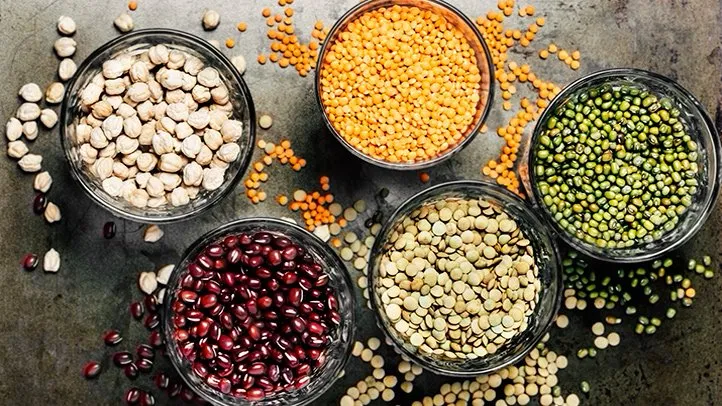
If you’re at risk for or have been diagnosed with diverticulitis, your doctor has likely recommended antibiotics and over-the-counter medication as first-line treatments. Or, if your diverticulitis has progressed, you may need surgery. But when it comes to helping ward off or treat diverticulitis, what you put into your body during breakfast, lunch, and dinner also matters.
Role of Fiber Fiber and Diverticulitis: What’s the Connection? Diverticulitis is a condition in which small, sac-like pouches form on the top layer of the colon (called diverticulosis) and become infected or inflamed. This condition affects Western and developed nations most, likely because of diet and other lifestyle factors. It’s estimated that 30 percent of Americans between ages 50 and 59 and 70 percent over age 80 have diverticulosis. ( 1 )
Risk of diverticulitis is tied to age, history of constipation, obesity, a lack of physical activity, and, importantly, a lack of fiber. One study found that diverticulitis is seen in up to 50 percent of the population of Finland due to low fiber intake and an aging population. ( 2 ) And research suggests that people in Africa and Asia, where high-fiber diets are common, rarely suffer from diverticulitis. It’s also notable that in Asian countries, most cases of diverticulitis are “right-sided” — that is, they involve the right side of the colon — as opposed to cases in Western countries, which are usually “left-sided.” Research indicates that left-sided diverticulitis causes more complications, which may be another reason diverticulitis is reported in greater numbers in the West. Fiber, or plant material, serves an important role in the digestive process, softening stool and helping it move more smoothly through the colon. A lack of fiber can cause constipation, which makes stools harder and more difficult to pass, putting stress on the muscles of the colon. And because diverticula typically form in areas where digestive muscles are strained or weakened, constipation may make the development of diverticula more likely. Because constipation causes pressure to build up in the colon, it may also lead to inflammation or infection of diverticula that are already present in the colon, causing diverticulitis. Luckily, high-fiber foods aren’t difficult to find.
Top Foods to Eat for Preventing Diverticulitis Prevention Diet Fiber is your friend when it comes to good digestive health. It promotes good bacteria, keeps the digestive tract clean, and helps bulk the stool so it’s easier to pass. If you’re looking to ward off or mitigate diverticulitis, here are some of the best high-fiber foods to eat, and how many grams (g) of fiber each serving has: Bran cereal (? cup): 8.6g Kidney beans (? cup): 7.9g Lentils (½ cup): 7.8g Black beans (½ cup): 7.6g Chickpeas (½ cup): 5.3g Baked beans (½ cup): 5.2g Pear (1 medium): 5.1g Soybeans (½ cup): 5.1g Sweet potato, with skin (1 medium): 4.4g Green peas (½ cup): 4.4g Bulgur (½ cup): 4.1g Mixed vegetables (½ cup): 4g Raspberries (½ cup): 4g Blackberries (½ cup): 3.8g Almonds (1 ounce): 3.5g Spinach, cooked (½ cup): 3.5g Vegetable or soy patty: 3.4g Apple (1 medium): 3.3g Dates , dried (5 pieces): 3.3g For many years, doctors advised people with diverticulosis not to eat nuts, seeds, or popcorn, which they believed could block the openings of diverticula and lead to flare-ups of diverticulitis. ( 3 ) But research has shown that there is no link between eating these foods and an increased risk of developing diverticulitis, and doctors no longer make this recommendation. Because foods that are high in fiber are typically also high in vitamins and other nutrients, it’s best to get the fiber you need from food. But if dietary restrictions prevent you from consuming all the fiber you need at meals, your doctor may recommend fiber supplements. ( 4 ) Psyllium, which is present in supplements like Metamucil and Konsyl, is one fiber option. This supplement may be sold as a powder or liquid, in granules, capsules, or as a wafer. Methylcellulose-based supplements, such as Citrucel, are typically sold in powder or granular form. Chicory root fiber, inulin, oligofructose, and fructooligosaccharides (FOS) may increase good bacteria and improve immune function. ( 5 , 6 )
Is Too Much Fiber a Bad Thing When It Comes to Diverticulitis? Optimal Fiber Intake The short answer: Yes! Be mindful that some studies suggest eating too much fiber (more than 50 g per day) may actually lead to diverticular disease by causing constipation. Fiber bulks the stool, so remember to match your fiber intake with water. ( 9 ) The recommended amount of dietary fiber is 30 to 38 g per day for adult males and 21 to 25 g per day for adult females. ( 10 ) There are two kinds of fiber found naturally in the foods you eat: Soluble fiber Insoluble fiber Soluble fiber dissolves in water, forming a gel-like material that makes stools softer and larger, allowing them to pass easily through the intestine. Insoluble fiber helps move waste through the digestive system by absorbing water and adding bulk to stools. ( 11 ) Most plant-based foods contain both soluble and insoluble fiber. But some foods contain more of one kind of fiber than the other.
What Are Some Other Nutritional Needs of People With or at Risk for Diverticulitis? Other Nutrients An overall nutrient-rich diet that includes naturally occurring foods containing fiber is the best way to eat for diverticulosis and diverticulitis prevention. The U.S. Department of Agriculture (USDA) Dietary Guidelines suggest that we vary our protein sources. ( 12 ) That means increasing your intake of fish and enjoying vegetarian meals with plant-based protein, along with keeping any meat or poultry you eat lean. If you’re having trouble adjusting your diet, consider adding a registered dietitian to your healthcare team. You can find one at EatRight.org . That said, there are some foods you should eliminate from your diet if you’re managing acute diverticulitis.
Top Foods to Avoid if You’re Having a Diverticulitis Attack Diet During a Flare-Up When diverticulitis causes sudden (acute) symptoms, such as abdominal pain and nausea, some people call this a diverticulitis attack or flare-up. Attacks can be triggered or made worse by what you eat. Diverticulitis causes inflammation and affects how your colon works. So when symptoms flare up, you should avoid fiber-rich foods. ( 13 ) This may seem counterintuitive, because these are the very foods you’re encouraged to eat to prevent the condition in the first place. Here’s why it makes sense: Fibrous foods, while very good for you, are not soothing for an irritated digestive system. For that reason, it is advised to wait until the inflammation is under control before eating fiber again. ( 14 ) If the diverticulitis is causing severe symptoms or symptoms of infection like fever, the doctor may call for bowel rest (nothing by mouth) until the condition is under control. A clear liquid diet may be the next step, where you can progress to water, broth, and apple juice. (13) If your symptoms are mild to moderate, however, you will most likely be put on a low-fiber diet (consuming less than 15 g per day) until symptoms such as abdominal pain and diarrhea stop. ( 15 ) Foods low in fiber (less than 2 g per serving) include: Beef, poultry, and fish (3 oz) Bread, white (1 slice) Cottage cheese (½ cup) Cream of wheat, instant (¾ cup) Egg (1 whole) Fruit juice (½ cup) Green beans, canned (½ cup) Ice cream (½ cup) Lettuce, all types (1 cup) Mashed potatoes, no skin (½ cup) Milk, all types (1 cup) Nut butters (smooth), including peanut, soy, almond, and sunflower (2 tablespoons) Pasta, white (½ cup) Peaches, canned (½ cup) Pears, canned (½ cup) Pudding or tapioca (½ cup) Rice, white (½ cup) Soy milk, rice milk, or almond milk (1 cup) Tofu (½ cup) Tuna, canned (3 oz) Yogurt (6 oz)
Some Simple Steps to Help Prevent Diverticulitis Other Prevention Tips Other than diet, there are several other ways you can maintain good digestive health and prevent diverticula from forming, including avoiding eating too much red meat, avoiding fatty foods, and drinking plenty of fluids. ( 16 ) Nonsteroidal anti-inflammatory drugs (NSAIDs), such as aspirin, naproxen (Aleve), and ibuprofen (Advil) have been linked to increased instances of diverticulitis. ( 17 ) Smoking and obesity have also been shown to be risk factors for developing the condition. High-fiber diets need water to function properly. If you don’t drink enough water, you can put yourself at greater risk of constipation. ( 18 ) Finally, delaying bowel movements can lead to hard stools and increased strain on the muscles of the colon, which may lead to diverticular disease. ( 20 ) Here are some habits to practice to avoid diverticulitis: Exercise regularly Quit smoking (smokers are at a higher risk of developing diverticulitis as well as complications from the condition) Avoid the use of NSAIDs Drink plenty of fluids Maintain a healthy body weight Respond to bowel urges Moderate red meat intake
The Takeaway: How Important Is Diet for Preventing and Managing Diverticulitis? Diet is central to the prevention of diverticulitis. A high-fiber diet that is rich in fruits, vegetables, beans, legumes, and whole grains will help prevent the sac-like pouches from forming and getting infected. If you are diagnosed with diverticulitis and are having acute symptoms, allow your digestive tract some time to heal by following a low-fiber diet. (20, 21 )
What Can You Eat on a Diverticulitis Diet?