

- Winter vegetables are harvested at peak ripeness, preserving vitamins and antioxidants.
- Eating plenty of vegetables helps prevent nutrient gaps, especially on a GLP-1 medication.
- Support overall health with protein, strength training and guidance from a dietitian.
Taking a GLP-1 medication can change your appetite, making food choices feel tricky. These medications slow digestion and affect appetite hormones, which can reduce hunger and support weight loss, but they can also make larger meals harder to eat.
During the winter, you’re probably looking for meals that are smaller but packed with nutrients. That’s where winter vegetables come in. They’re nutrient-dense, high in fiber and generally low in calories—all of which can help you feel full and maintain stable blood sugar, shares Lisa Young, Ph.D., RDN.
“Vegetables are rich in vitamins, minerals, antioxidants and fiber that help to meet nutrient needs and prevent deficiencies from developing while in a calorie deficit,” adds Lauren Harris-Pincus, M.S., RDN.
Choosing seasonal produce provides additional benefits. Harvested closer to peak ripeness, seasonal vegetables often have higher levels of vitamins, minerals and antioxidants compared to nonseasonal options, explains Katie Lounsberry, RD, LDN.
Here’s a list of top winter vegetables to help you stay nourished while taking a GLP-1 medication.
1. Brussels Sprouts
Brussels sprouts are a great choice for people taking GLP-1 medications because they’re rich in fiber, vitamin C and vitamin K, which support immune function and bone health, says Young. Vitamin K helps strengthen bones by activating proteins that bind calcium, which supports bone mineralization.
Individuals taking GLP-1 medications may be at a higher risk of reduced bone mineral density, especially if nutrient needs aren’t fully met. Fortunately, just a half-cup of cooked Brussels sprouts provides nearly 91% of your daily vitamin K.
New to Brussels sprouts? Shave them into a delicious salad or bake them for a satisfying side dish.
2. Kale
Kale has been in the spotlight for some time, and rightfully so. It’s loaded with nutrients essential for overall health, including vitamins A and K, and antioxidants like lutein and quercetin, which help reduce inflammation, says Harris-Pincus.
Research shows that higher lutein intake is linked with lower inflammation, may support weight management and promotes eye health. Quercetin is another anti-inflammatory compound that can benefit heart, brain and metabolic health.
Add kale to your weekly lineup by making kale chips, using it in wraps and sandwiches or sautéing it for a delicious side dish.
3. Butternut Squash
This winter favorite is a great choice for people taking GLP-1 medications because of its rich nutrient content. “Butternut squash provides fiber, vitamin A and potassium, which help with heart and eye health,” says Young.
Its natural sweetness makes meals more satisfying without relying on added sugars. Plus, it’s great as a puree, which may be easier to tolerate if nausea is an issue—a common side effect of GLP-1 medications. For better vitamin A absorption, pair it with little oil, cheese or another fat source.
4. Cauliflower
Cauliflower is high in fiber and low in calories, with 1 cup cooked providing 3 grams of fiber for just 28 calories. This makes cauliflower a smart choice for a GLP-1-friendly plate, supplying essential nutrients without excess calories.
Vitamin C and folate are among its key nutrients, notes Young. Vitamin C supports immune health and acts as a powerful antioxidant, while folate may help maintain heart health and lower the risk of cardiovascular disease. ,
Because it’s mild in flavor, cauliflower is highly versatile, making it easy to add to meals. Try making cauliflower rice, cauliflower chips or simply roast and toss it into salads or bowls.
5. Carrots
Carrots are packed with fiber, which can support bowel regularity if you’re struggling with slow digestion or constipation. They also provide beta-carotene (a precursor to vitamin A) for immune health, and potassium to support muscles and nerves., A 1-cup serving of chopped carrots delivers nearly 9% of your daily potassium and an impressive 120% of your vitamin A needs.
Cooked carrots are naturally sweet and soft, making them easier to tolerate if nausea is an issue. Try roasting carrots, blending them into soups or adding them to oatmeal or muffins for a simple veggie boost.
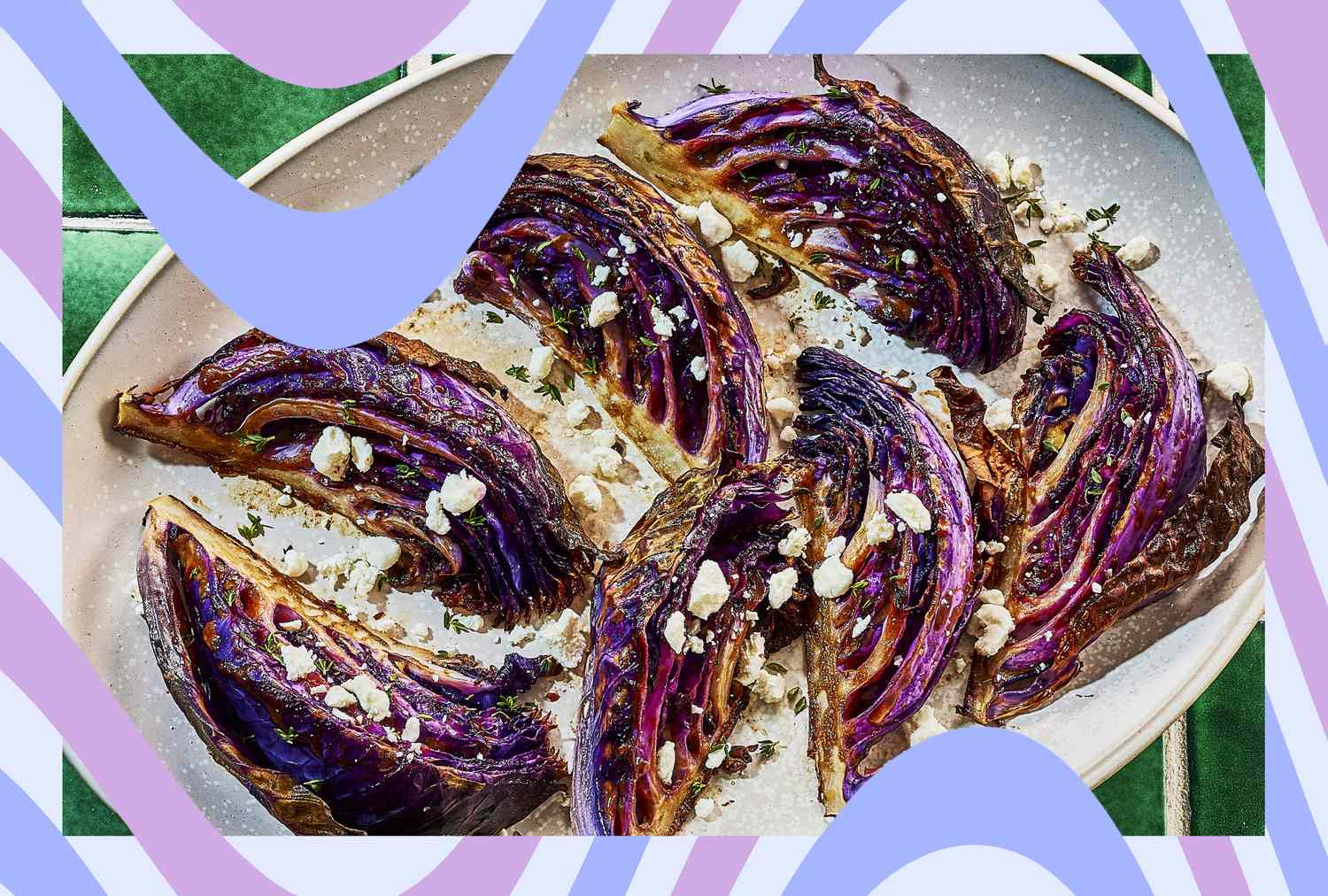
6. Red Cabbage
Looking to add a pop of color to your plate? Red cabbage brings vibrant color along with a wealth of nutrients. “Red cabbage is an excellent source of vitamins C and K, while also excelling in flavonoids, which are antioxidants supporting heart health and brain health,” explains Harris-Pincus.
Its deep reddish-purple color comes from anthocyanins, plant compounds with antioxidant and anti-inflammatory properties. Diets high in anthocyanins are linked to better heart health, especially reducing plaque buildup in the arteries. They’re also associated with improved metabolic health, including better insulin sensitivity and fat metabolism.
You can use cabbage in a variety of hearty winter dishes, like in soups or roasted side dishes.
7. Beets
Beets are packed with phytonutrients—particularly betalains—which may help reduce inflammation and chronic disease risk, says Lounsberry. They’re also rich in nitrates, which help to lower blood pressure, particularly in people with high blood pressure.
Try adding pickled beets to salads, making honey-roasted beets or even tossing some beets into your next breakfast smoothie. Smoothies are a great way to get more nutrients and can be easier to tolerate when appetite is low.
8. Garlic
Boosting your garlic intake can have tremendous health benefits. “A higher intake of alliums, including garlic, has been associated with a reduced risk of cardiovascular disease and reduced systemic inflammation in those with obesity,” says Lounsberry.
Add garlic to your regular meals as a flavoring agent in soups, salads, sauces or cooked foods.
9. Mushrooms
With the sun being a rare guest during winter, getting enough vitamin D is a priority—especially for people taking GLP-1 medications, who are at a higher risk of deficiency. Vitamin D supports bone health, muscle function, hormone production and mood. For GLP-1 users, getting enough vitamin D is particularly important, as weight loss can reduce bone density, says Kara Craddock, M.S., RDN.
Mushrooms are one of the few foods that provide vitamin D, says Craddock. They contain vitamin D2, which the body can convert into the more bioavailable form, vitamin D3. To get the most benefit, choose mushrooms grown in sunlight, as this significantly boosts their vitamin D content.
While mushrooms alone won’t meet your full vitamin D needs, adding them to meals can help fill the gap.
Other Tips When Taking GLP-1 Medications
- Eat Enough Protein. Harris-Pincus recommends choosing high-quality protein sources when taking a GLP-1 medication. Protein supports satiety and helps preserve muscle mass, which is especially important during weight loss.
- Stay Hydrated. Young recommends sipping fluids throughout the day to help meet hydration needs.
- Speak with a Registered Dietitian. Research shows that most people achieve more fat loss, preserve more muscle and have fewer nutrient deficiencies when they work with a registered dietitian, says Craddock.
- Prioritize Strength Training. “Strength training supports lean muscle mass, which improves metabolic activity,” says Steph Wagner, M.S., RDN, CSOWM, which can help support weight loss and preserve muscle.
- Eat Smaller, More Frequent Meals. Young encourages eating slowly and stopping when comfortably full. Smaller, frequent meals help manage early fullness and ensure adequate nutrition.
Our Expert Take
Winter vegetables are an easy, nutrient-packed way to support your body while taking a GLP-1 medication. They help fill nutrient gaps when appetite is low, helping to support bone, muscle and metabolic health. Don’t forget to prioritize protein, include strength training and work with a registered dietitian for long-term success.
